
VIRTUAL EXHIBITION
bruce katsiff: PIECES OF A LIFE
This virtual exhibition highlights work from Bruce Katsiff’s retrospective “Pieces of a Life”
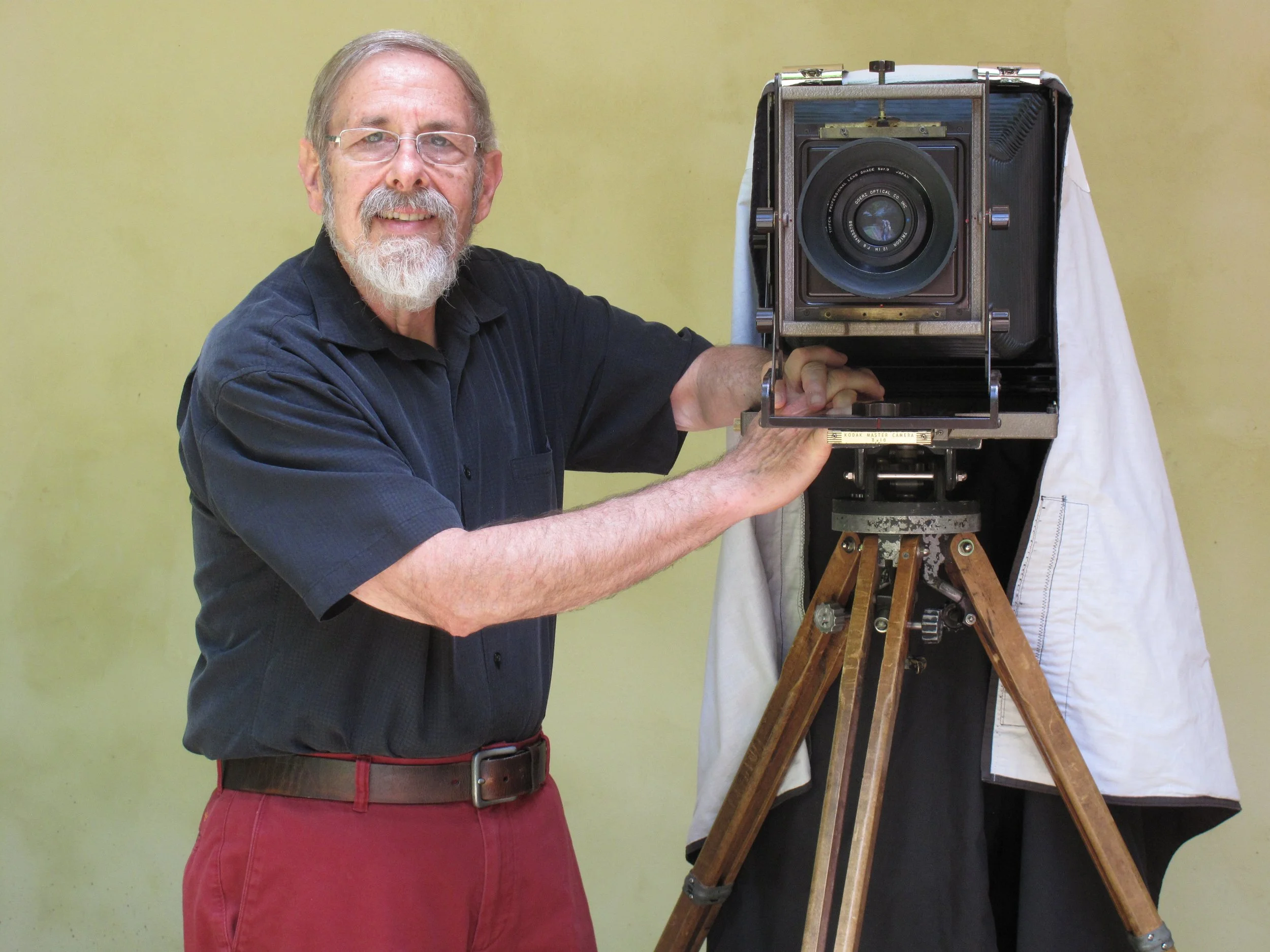
© Bruce Katsiff
Bruce Katsiff is an accomplished photographer whose poignant and varied work encompasses environmental portraiture, collage, and carefully curated constructions of bones and decay. Seeing elegance beyond the surface, Katsiff’s work reveals complexity and empathy as well as a virtuosity with camera and darkroom. His Platinum Palladium and Gelatin Silver prints made with a 20” x 24” view camera are a testament to the manner in which his work combines science with the magical and unknowable beyond the lens.
Katsiff earned his BFA from the Rochester Institute of Technology and his MFA from Pratt Institute. His work has been exhibited at the Museum of Modern Art and is held in the collections of the Museum of Fine Arts Houston, the Pennsylvania Academy of the Fine Arts, and the Philadelphia Museum of Art. Katsiff has published two monographs on his work.
About the Artist
Born in Philadelphia where he attended Central High School, Bruce Katsiff went on to study photography at Rochester Institute of Technology and completed graduate work at Pratt Institute, earning BFA and MFA degrees. He also attended postgraduate studies at Oxford University. His work has been exhibited in museums and galleries including the Museum of Modern Art, the Philadelphia Museum of Art, and the Pennsylvania Academy of Fine Art. For 25 years, he taught photography and from 1989 to 2012 served as Director/CEO of the James A. Michener Art Museum.
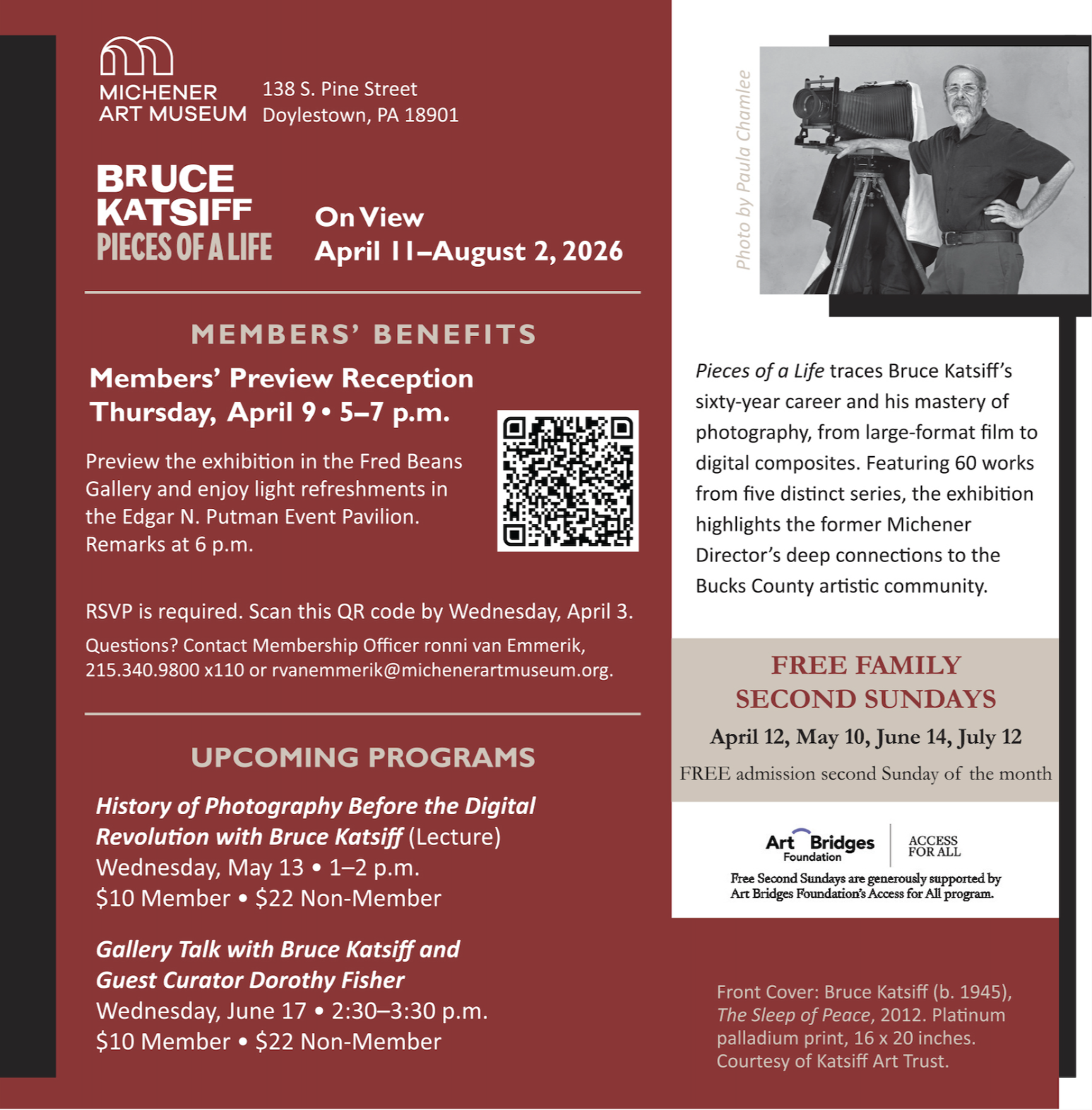
© Bruce Katsiff
In a career spanning six decades, Bruce Katsiff (b. 1945) consistently produces technically accomplished work that brings the artist’s community closer together. Katsiff served as chair of the Art and Music Department at Bucks County Community College for over a decade, and he was the founding director of the Michener Art Museum from 1989 to 2012. He understands his work as “personal,” a “private tool to help [him] understand and interact with the world.” Yet his photographs reflect his position at the center of a living tradition of Bucks County artistry in a transitional historic moment. With the advent of digital photography, Katsiff’s photographs celebrate and respond to the evolving materiality of the medium. From the friends and neighbors in River Town Portraits to the macabre gifts and collaborative projects embedded in Nature Morte to the artist portraits of Face Maps, Katsiff embarks on photographic projects with deep links to his surroundings and to the history of photography itself.
This exhibition is guest curated by Dorothy Fisher.
Unless otherwise noted, all artwork in this exhibition is by Bruce Katsiff.
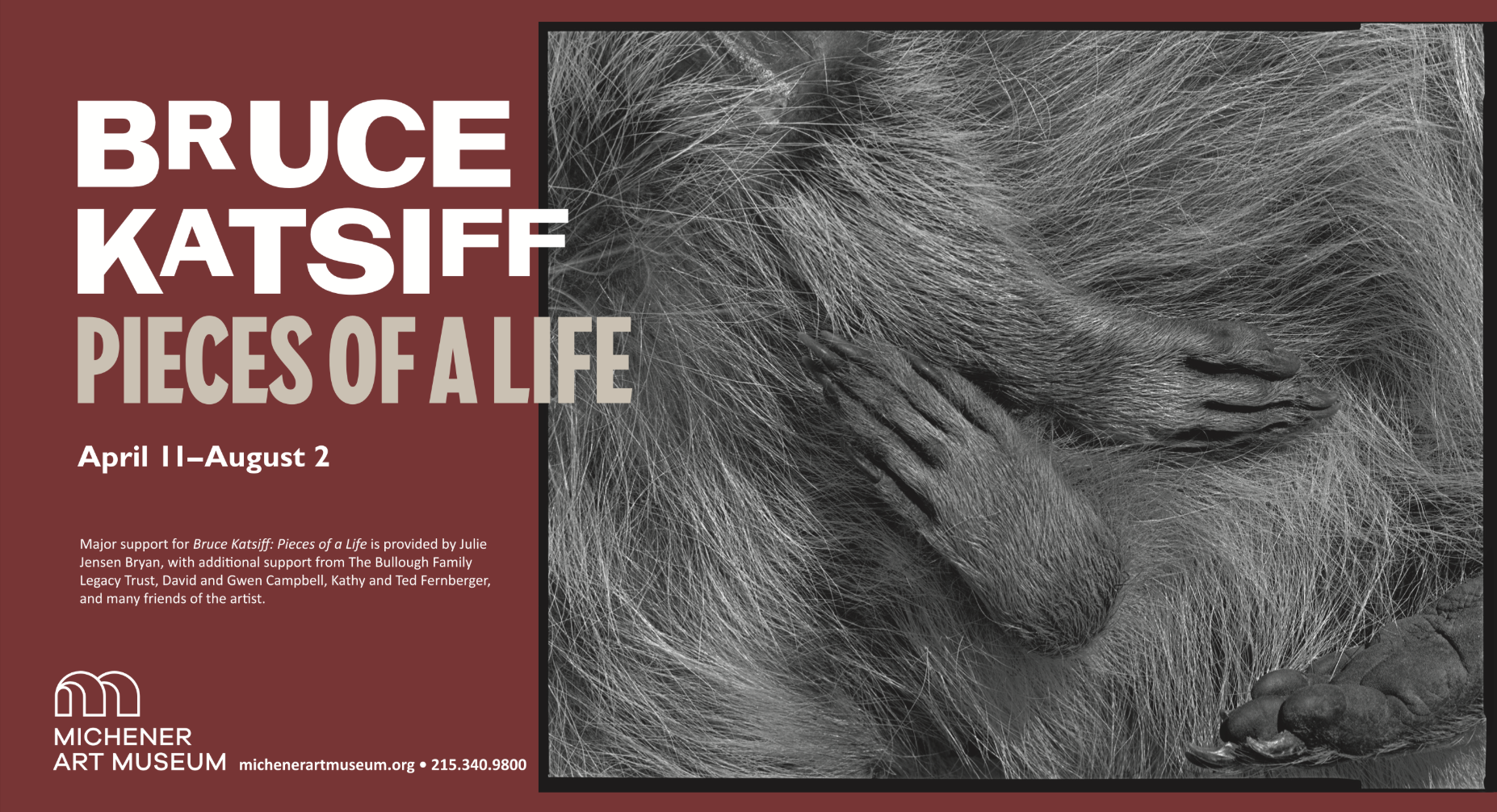
Major support for Bruce Katsiff: Pieces of a Life is provided by Julie Jensen Bryan, with additional support from The Bullough Family Legacy Trust, David and Gwen Campbell, Kathy and Ted Fernberger, and many friends of the artist.
William Henry Fox Talbot (1800–1877) an English Scientist invented the negative/positive process in 1824. It was the dominate photographic process for 140 years until major changes occurred in the digital age. Talbot’s original process, called Calotypes, allowed the photographer to produce an almost limitless number of prints from a single negative. Talbot coated a sheet of paper and later a sheet of glass with a light-sensitive silver solution and placed it in a camera obscura where a lens projected an image onto the sensitized paper. The areas exposed to the most light became dark, while the shadowed areas remained pale. He then placed the negative image directly in contact with another sheet of paper coated with a similar light-sensitive silver solution. Once again, the areas exposed to light darkened while the shadow areas remained pale thereby reversing the image back to a positive print.
Nature Morte
According to Katsiff, creating the Nature Morte series of photographed animal remains gave him an opportunity to consider life and death as he reached middle age. Nature Morte is French for “dead nature,” and refers to depictions of non-living subjects in art. The lush platinum prints reframe Katsiff’s grisly materials for aesthetic consumption, an “effort to find beauty in images we have been taught to fear or avoid,” according to the artist. As Katsiff developed the reputation as the neighborhood “bone guy,” he began to receive macabre gifts from students and friends. The dog skeleton in Pieces of a Life came from a friend’s long-deceased pet disinterred specifically for Katsiff to photograph, a testament to trust and respect between the artist and members of his community.

© Bruce Katsiff, Pieces of a Life, 1986, Platinum Palladium Print, 12 x 20 inches

© Bruce Katsiff, The Helix, 1987, Platinum Palladium Print, 20 x 12 inches
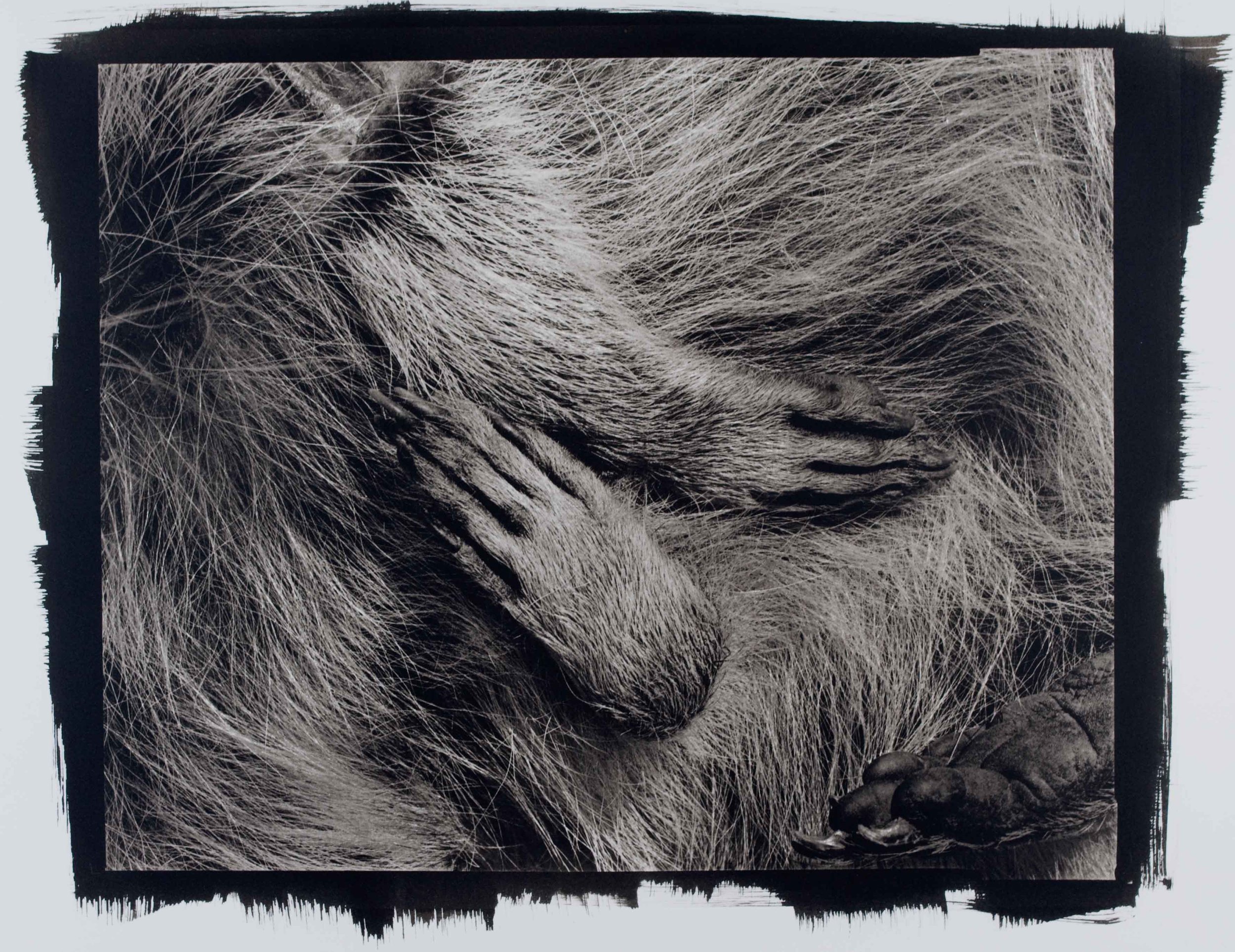
© Bruce Katsiff, Sleep of Peace, 1988, Platinum Palladium Print, 22.5 x 30 inches

© Bruce Katsiff, Barn Swallow’s Web, 2014, Platinum Palladium Print, 15 x 19 inches
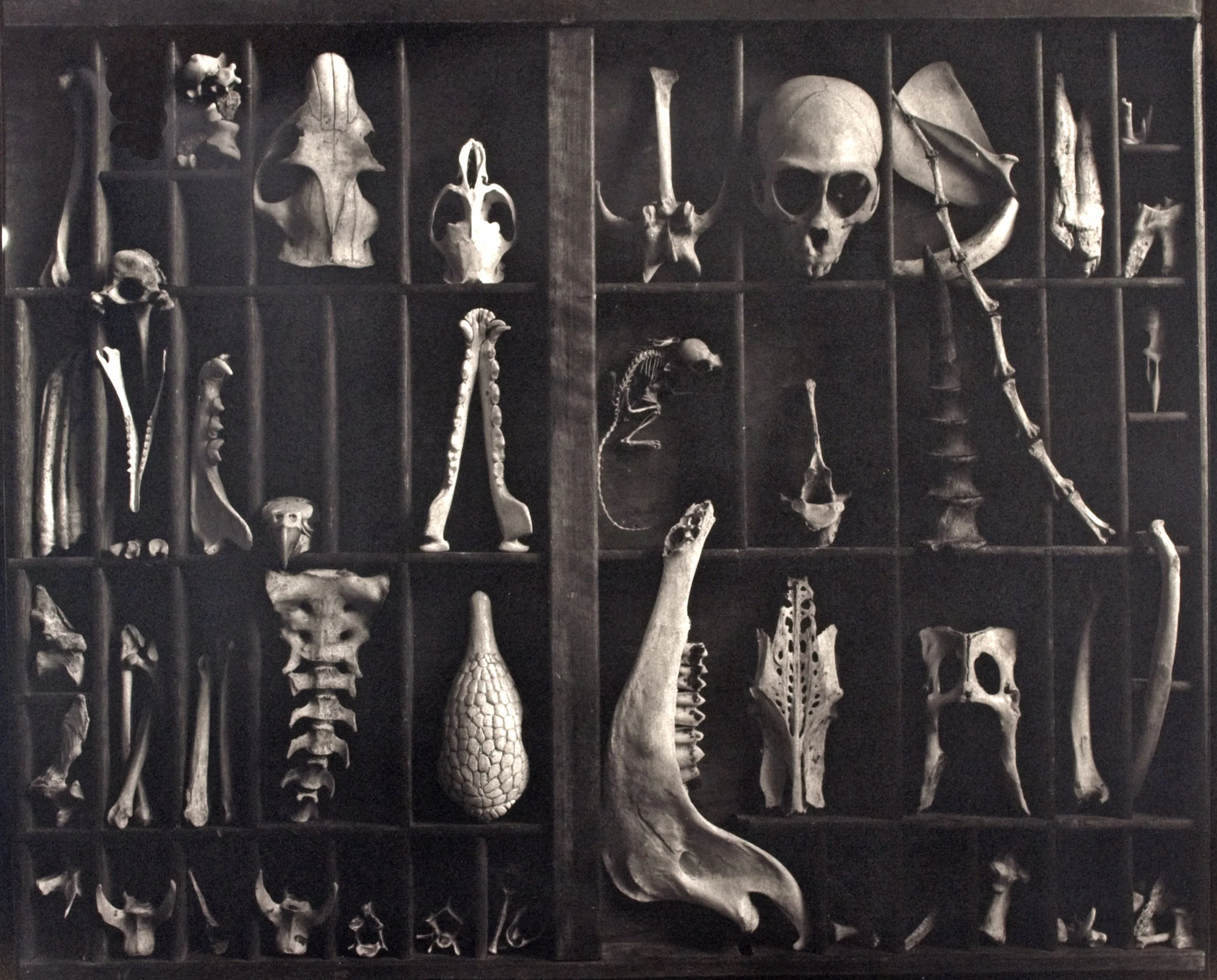
© Bruce Katsiff, Cabinet of Dr. Foto, 2015, Platinum Palladium Print, 20 x 24 inches

© Bruce Katsiff, Night God, 1987, Platinum Palladium Print, 15.75 x 19.5 inches
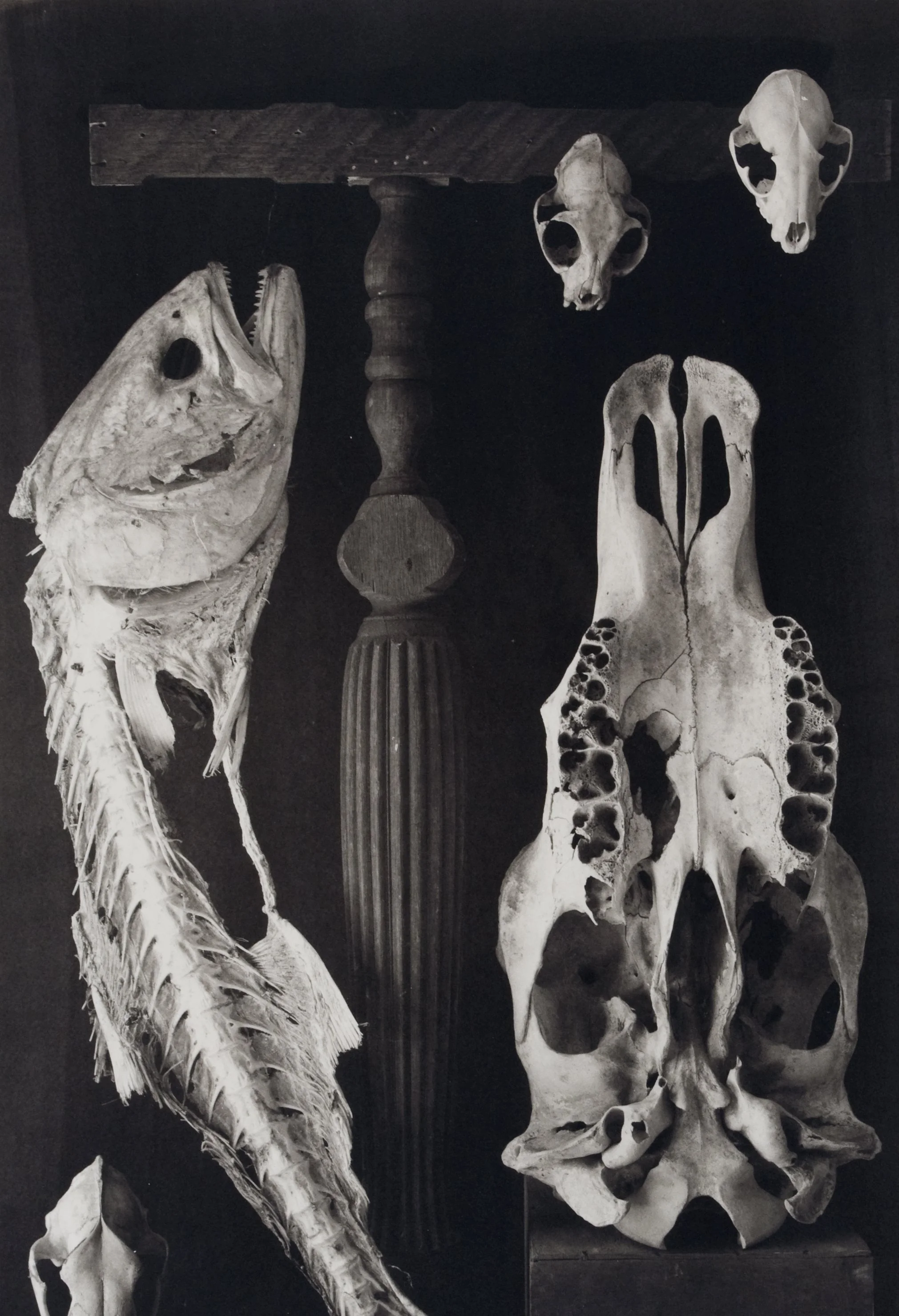
© Bruce Katsiff, Fish Story, 1990, Platinum Palladium Print, 20 x 12 inches
Developed by the Royal Photographic Society in 1877 to produce prints with long-term stability, platinum prints were designed to far outlive their creators. The process creates a permanent image with deep tones and a matte texture. Katsiff pursued the limits of the platinum process to create his oversize Nature Morte photographs, commissioning a custom-built twenty- by twenty-four-inch view camera to accommodate the largest film available. Unlike the gelatin silver process which creates images that can be enlarged, platinum prints are contact prints, which means that they are the same size as the negative used to create them.

© Bruce Katsiff, Flying Totem, 1987, Platinum Palladium Print, 20 x 12 inches

© Bruce Katsiff, Dancing Feet, 2012, Platinum Palladium Print, 19.75 x 15.75 inches
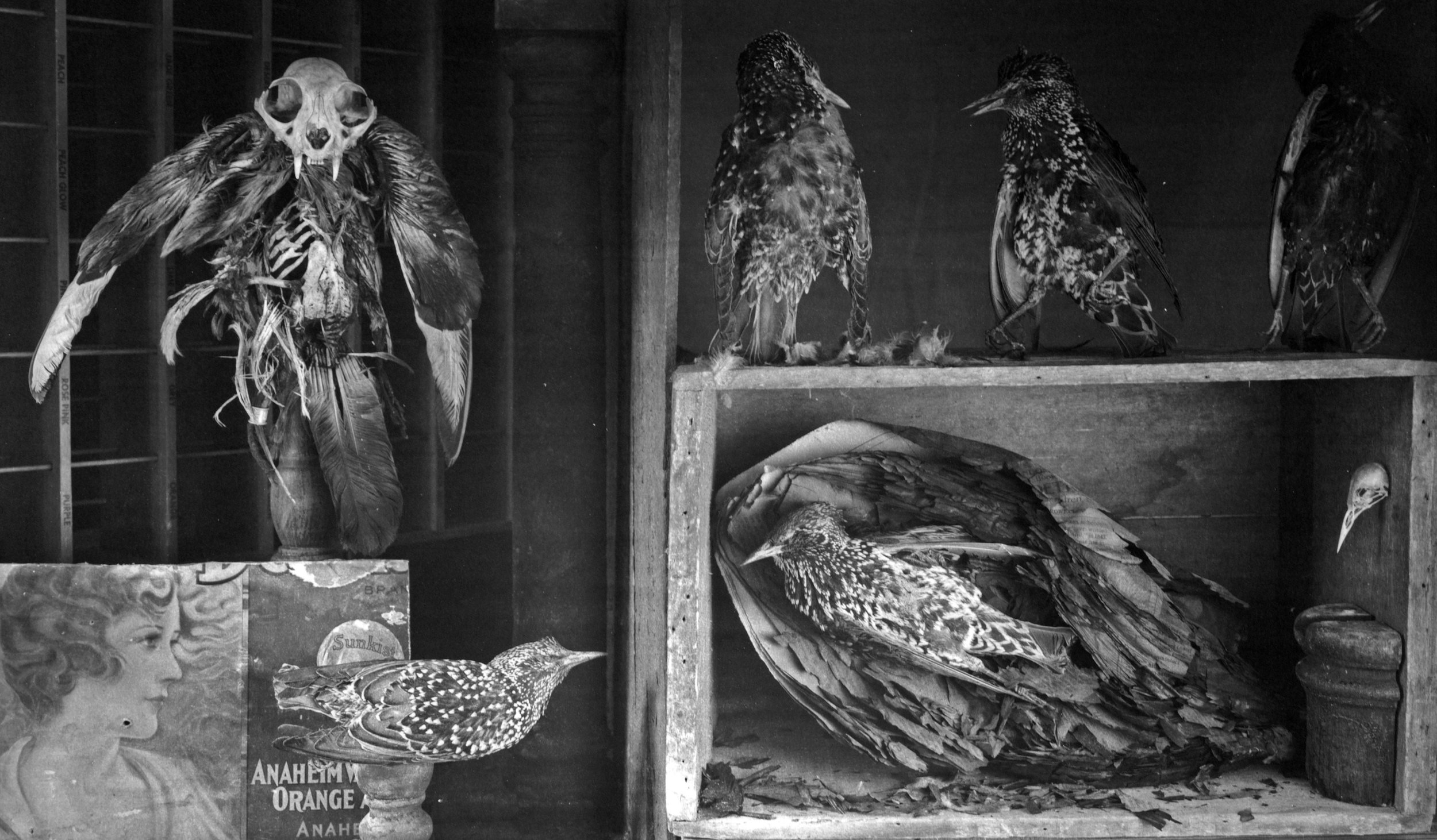
© Bruce Katsiff, Frozen Flight, 1988, printed 1990, Platinum/palladium print
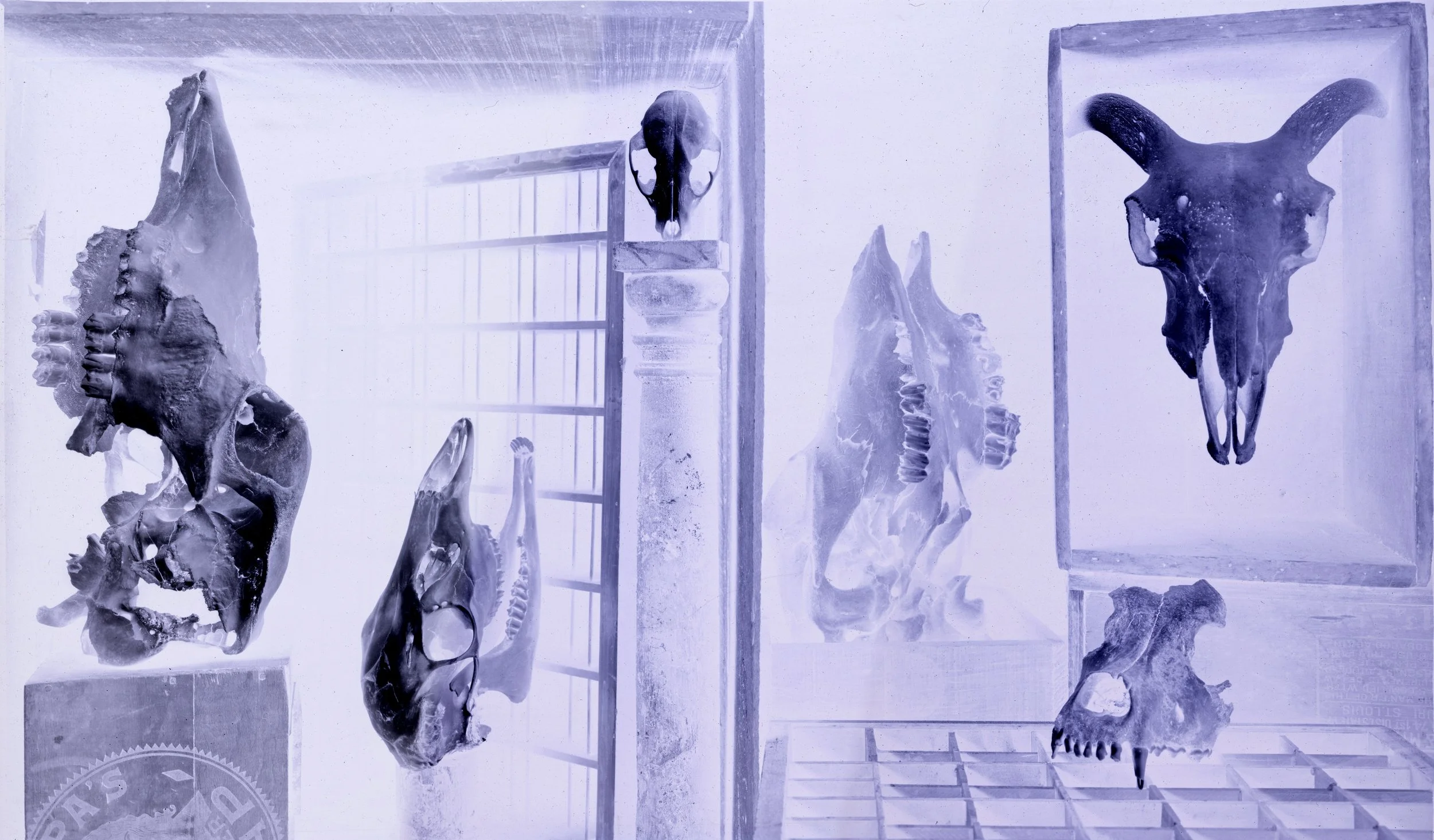
© Bruce Katsiff, The Golden Section (negative), 1987, Tri-X Film on Estar Base
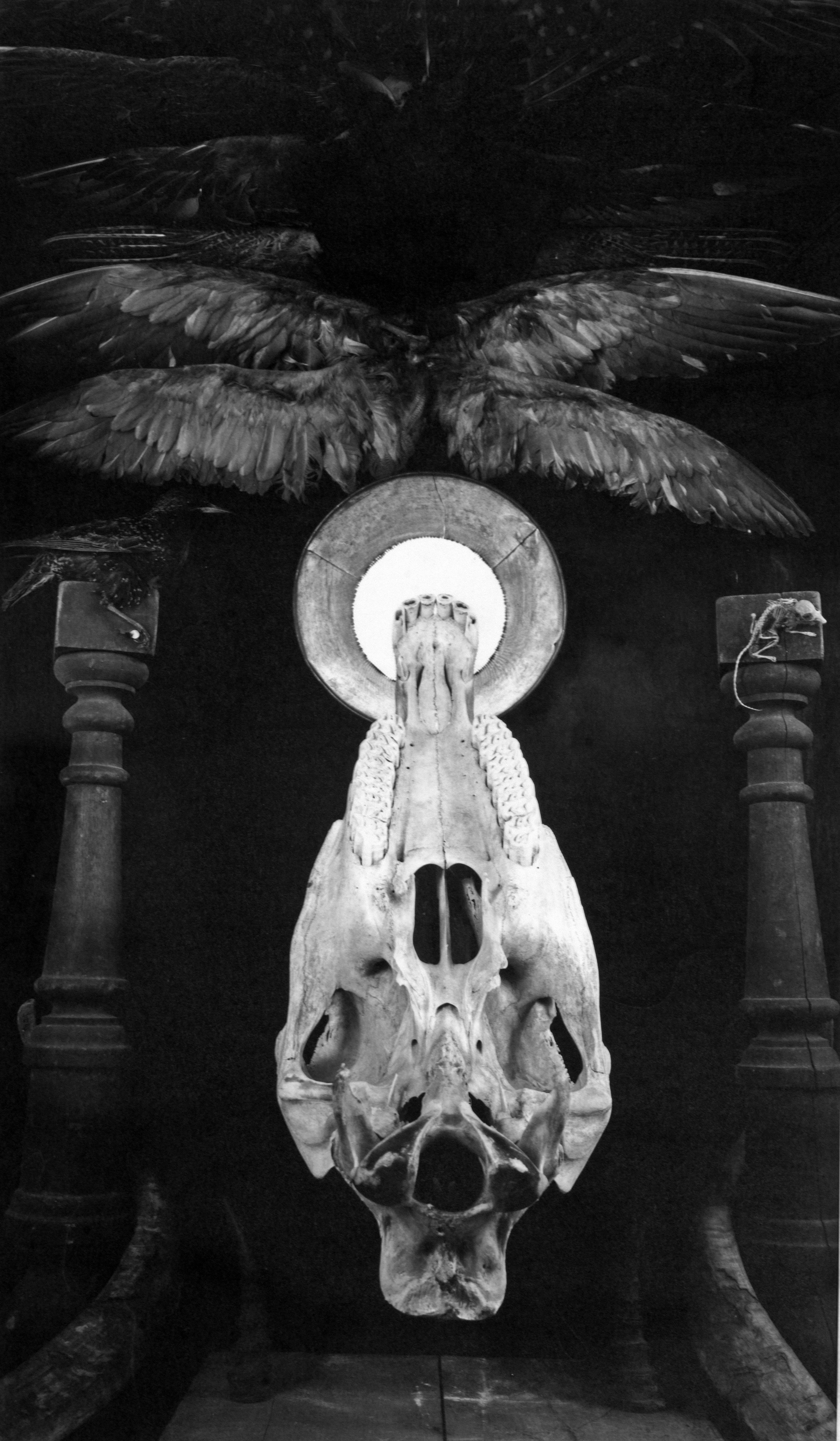
© Bruce Katsiff, Homage to My Father, 1988, printed 1990, Platinum/palladium print
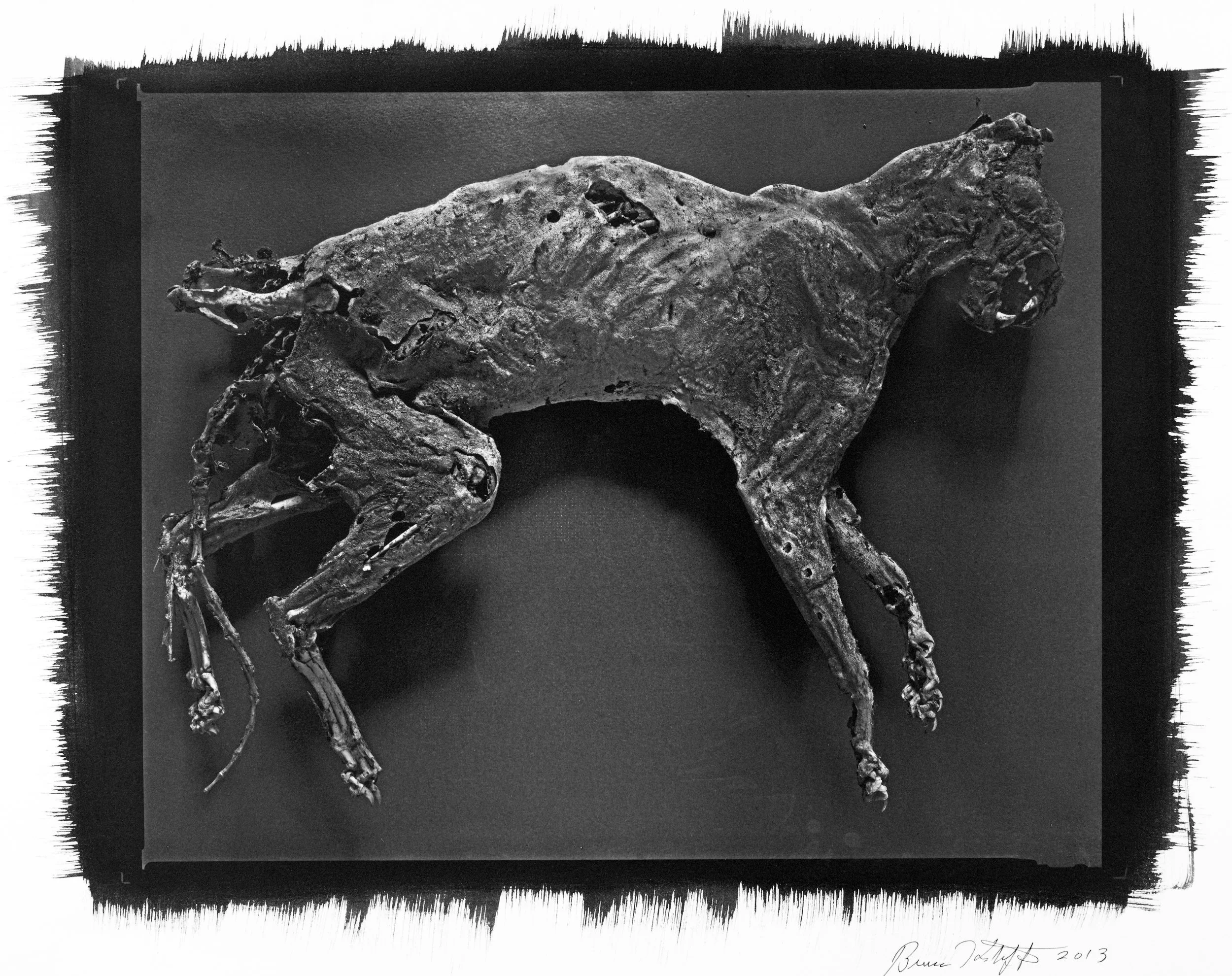
© Bruce Katsiff, Joan and Denver's Cat, 1982, printed 2013, Platinum/palladium print
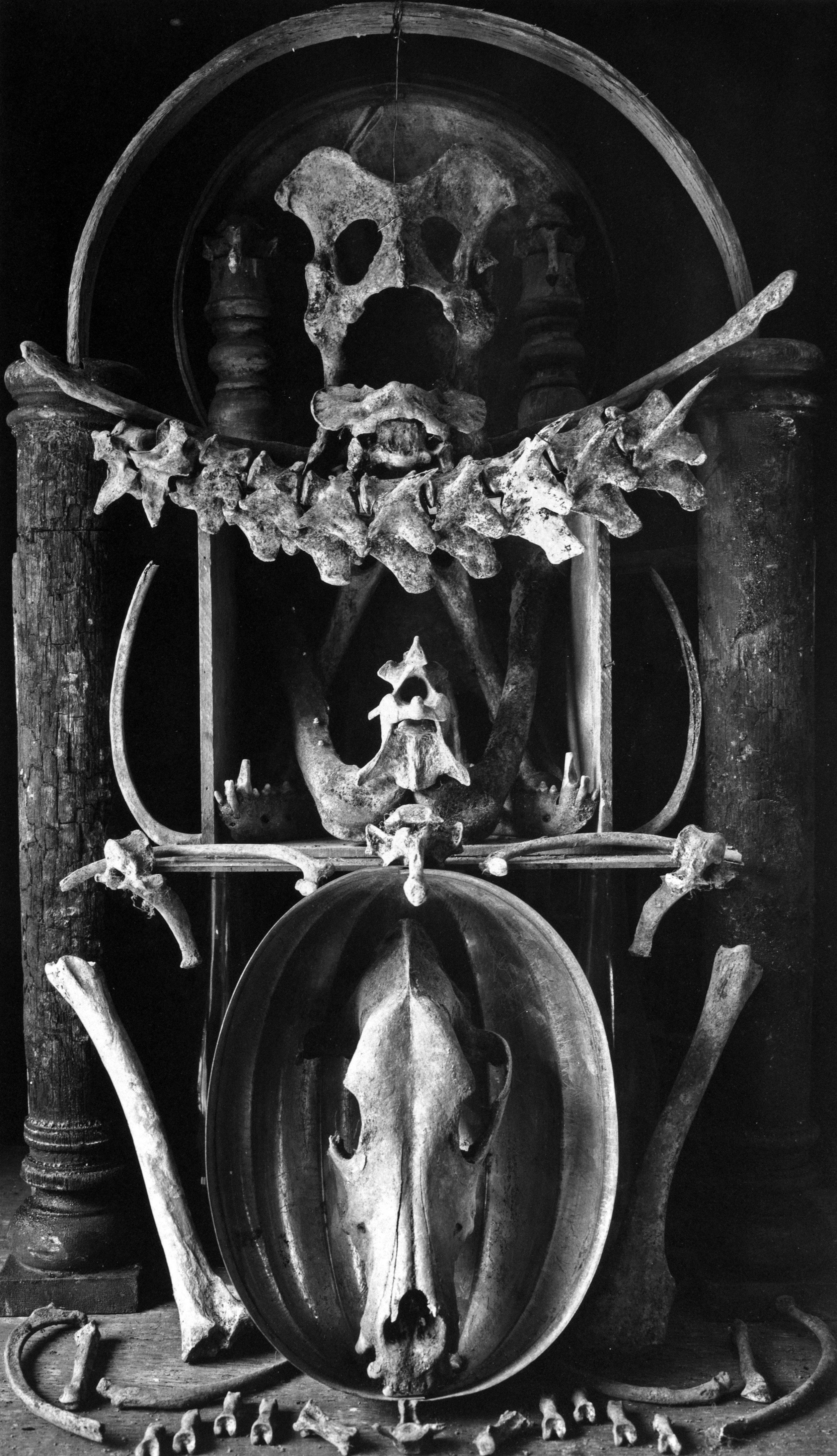
© Bruce Katsiff, Shadow, Light, and Birth, 1986, printed 1990, Platinum/palladium print
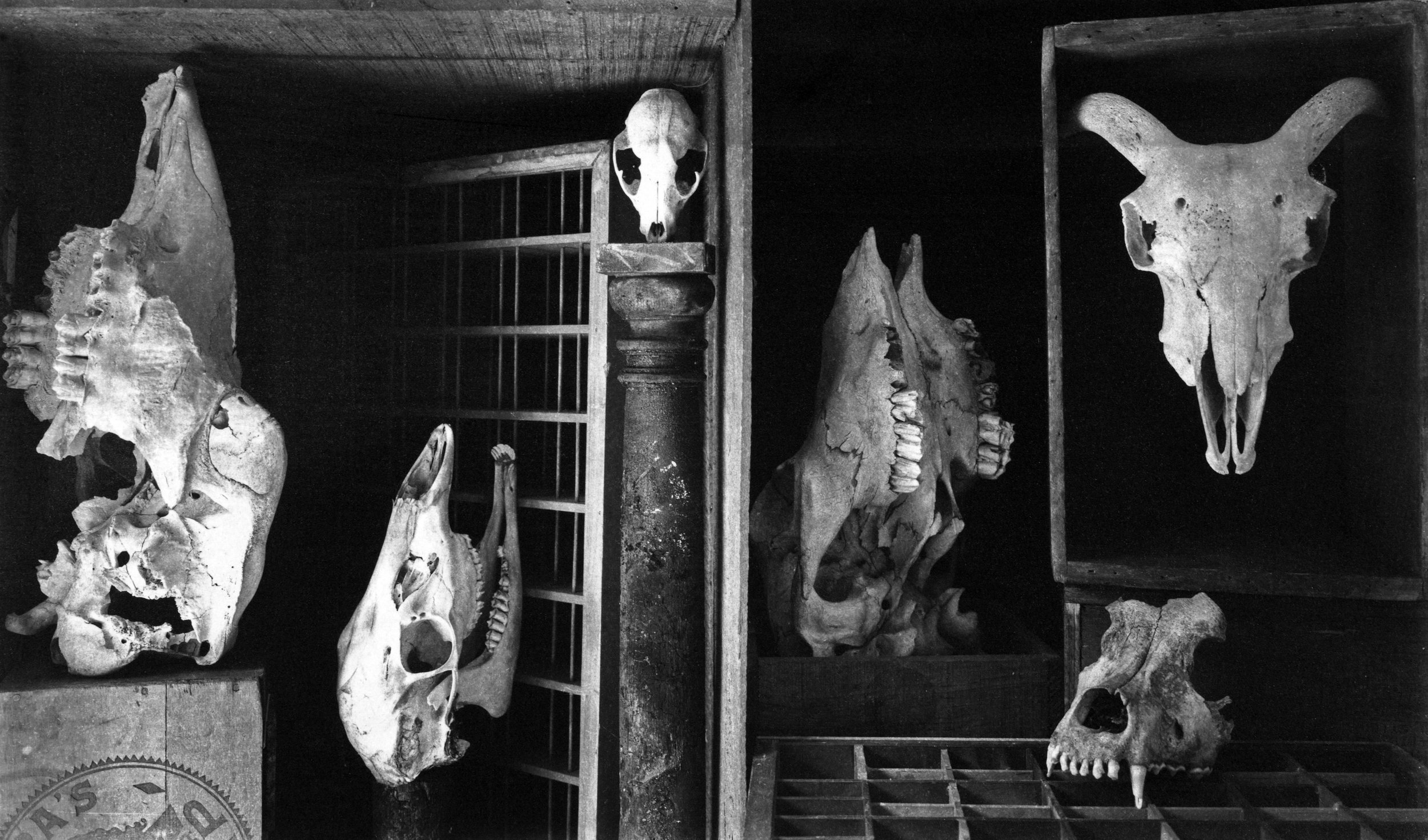
© Bruce Katsiff, The Golden Section, 1987, printed 1989, Gelatin silver print
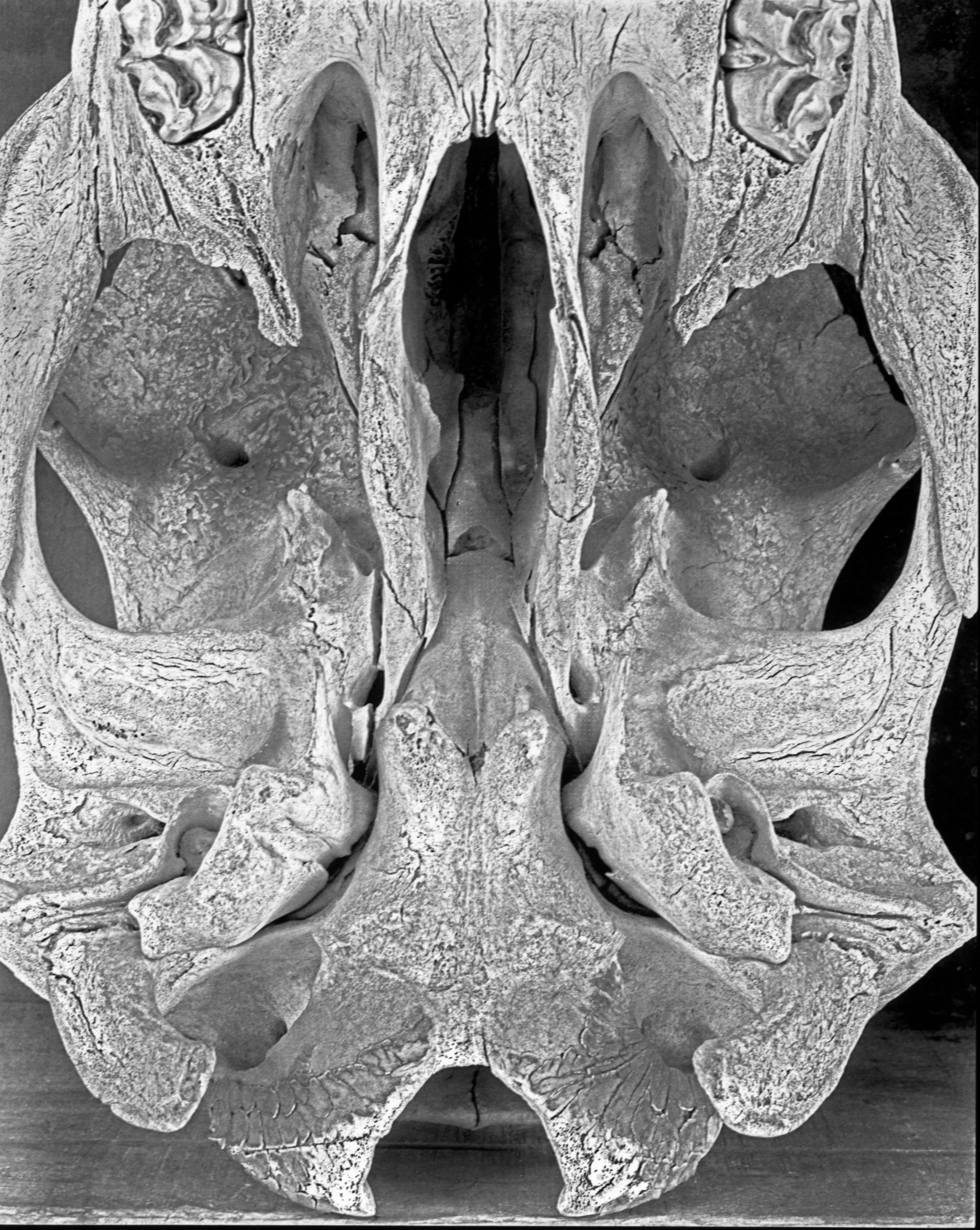
© Bruce Katsiff, White Flower, 1990, printed 2013, Platinum/palladium print
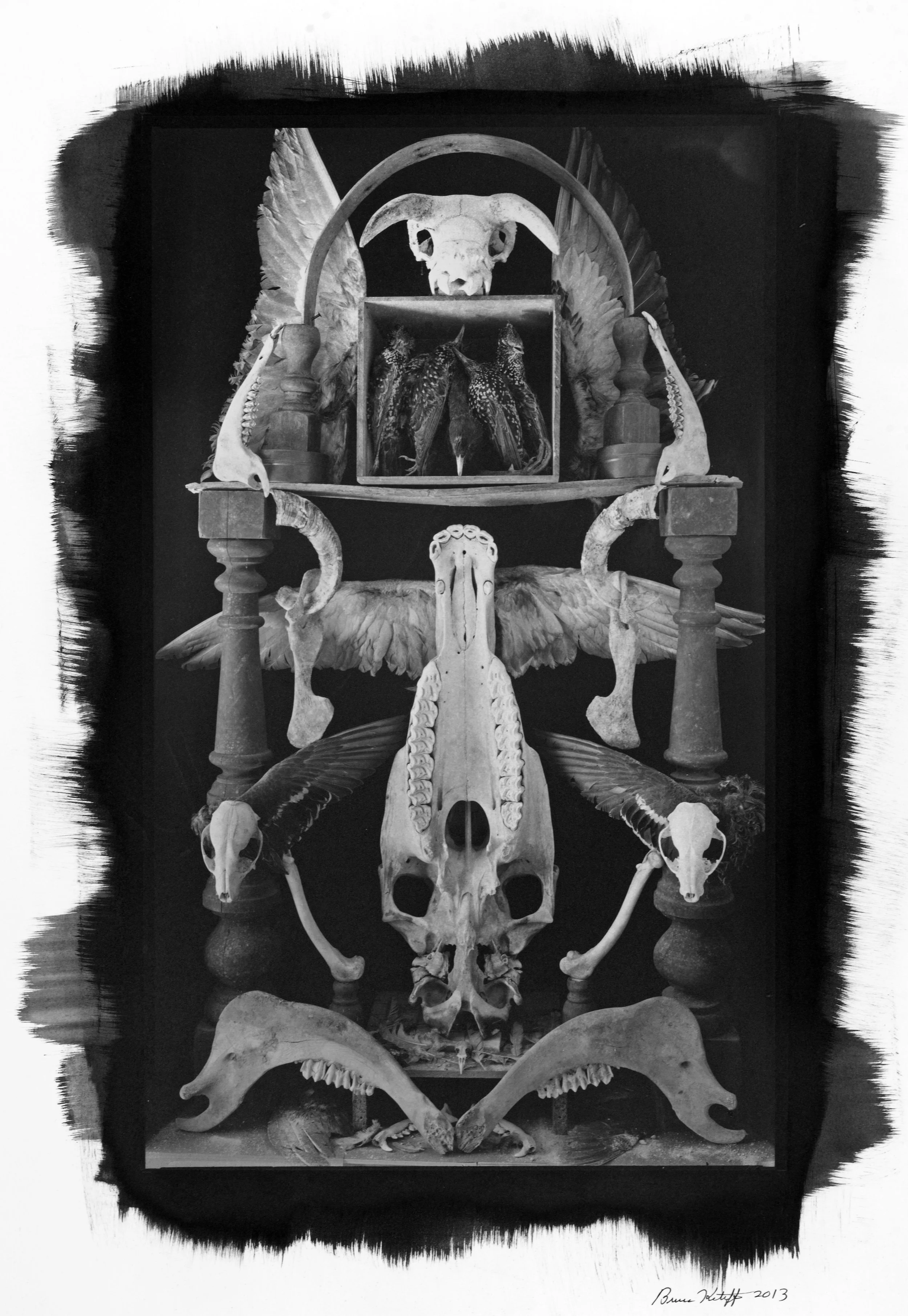
© Bruce Katsiff, Winged Equine, 1987, printed 2012, Platinum/palladium print
To make many of his photographs, Katsiff relies on a negative-positive process that was invented over two centuries ago by the English scientist, William Henry Fox Talbot (1800–1877). Talbot’s original process, called a calotype, allowed a photographer to produce an almost limitless number of prints from a single negative, or sensitized paper, glass, or film. To create The Golden Section, Katsiff used a camera like the Deardorff eight- by twenty-inch panoramic model nearby to project an image onto a film coated with a light-sensitive silver solution. The areas exposed to the most light became dark, while the shadowed areas remained pale. He then placed this negative image directly in contact with another sheet of paper coated with a similar light-sensitive silver solution. Once again, the areas exposed to light darkened while the shadow areas remained pale, thereby reversing the image back to a positive, final print.
Lumberville
Bruce Katsiff began his River Town Portraits series to get to know his eccentric new neighbors in Lumberville, Pennsylvania, where he moved to teach photography at Bucks County Community College in 1968. To create the ultrahigh resolution pictures, Katsiff used a view camera, a design basically unchanged since 1839. His complex process had a secondary motive: in the time it took him to set up a tripod, pose the sitter, compose an image he saw upside-down on a ground glass plate, and then capture that image by replacing the ground glass with a sheet of film, the artist had plenty of time to chat and get to know his subjects.
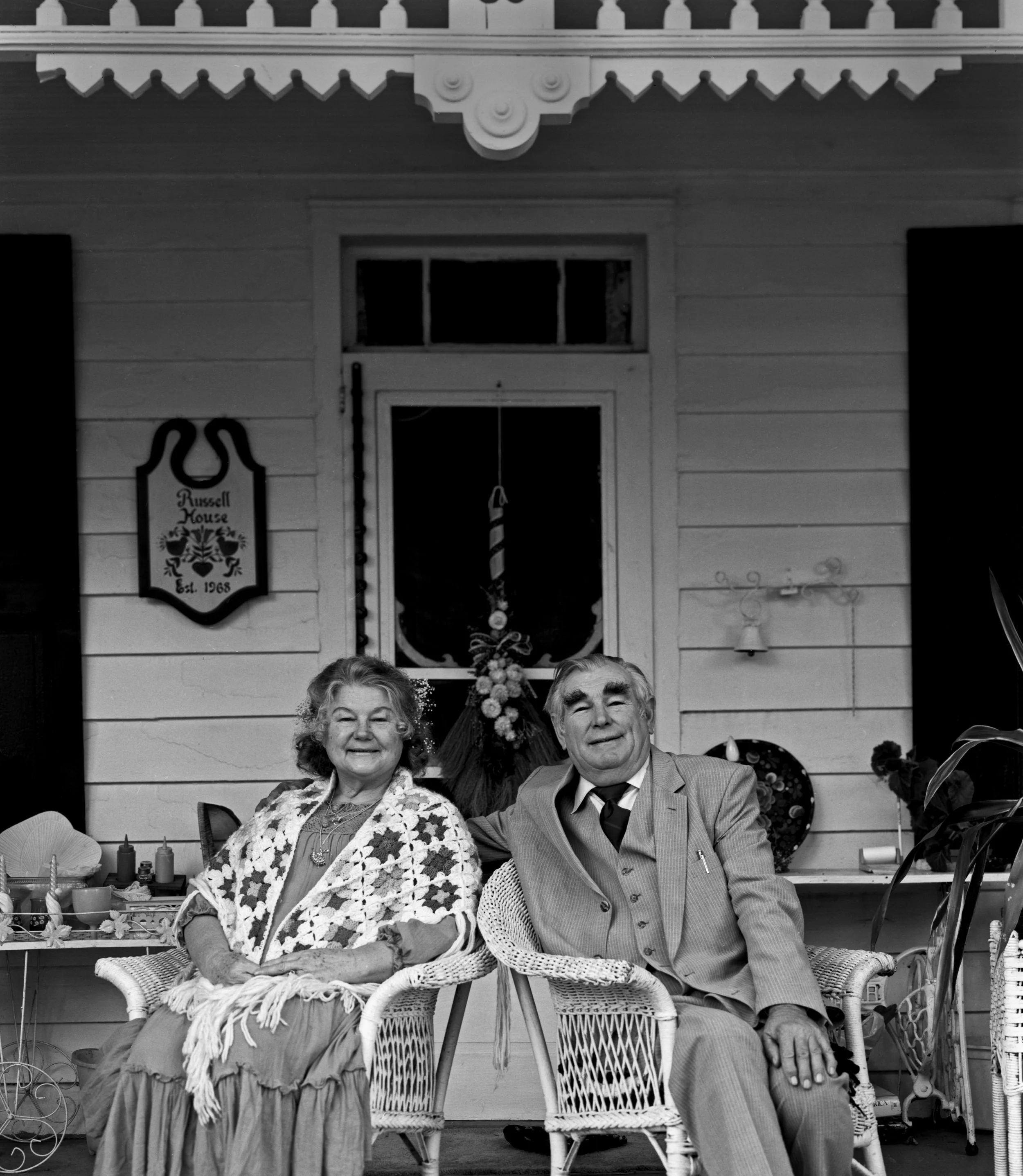
© Bruce Katsiff, Bob and Lillian Russell, Two Lithuanian Souls, 1979, printed 2016, Archival pigment print
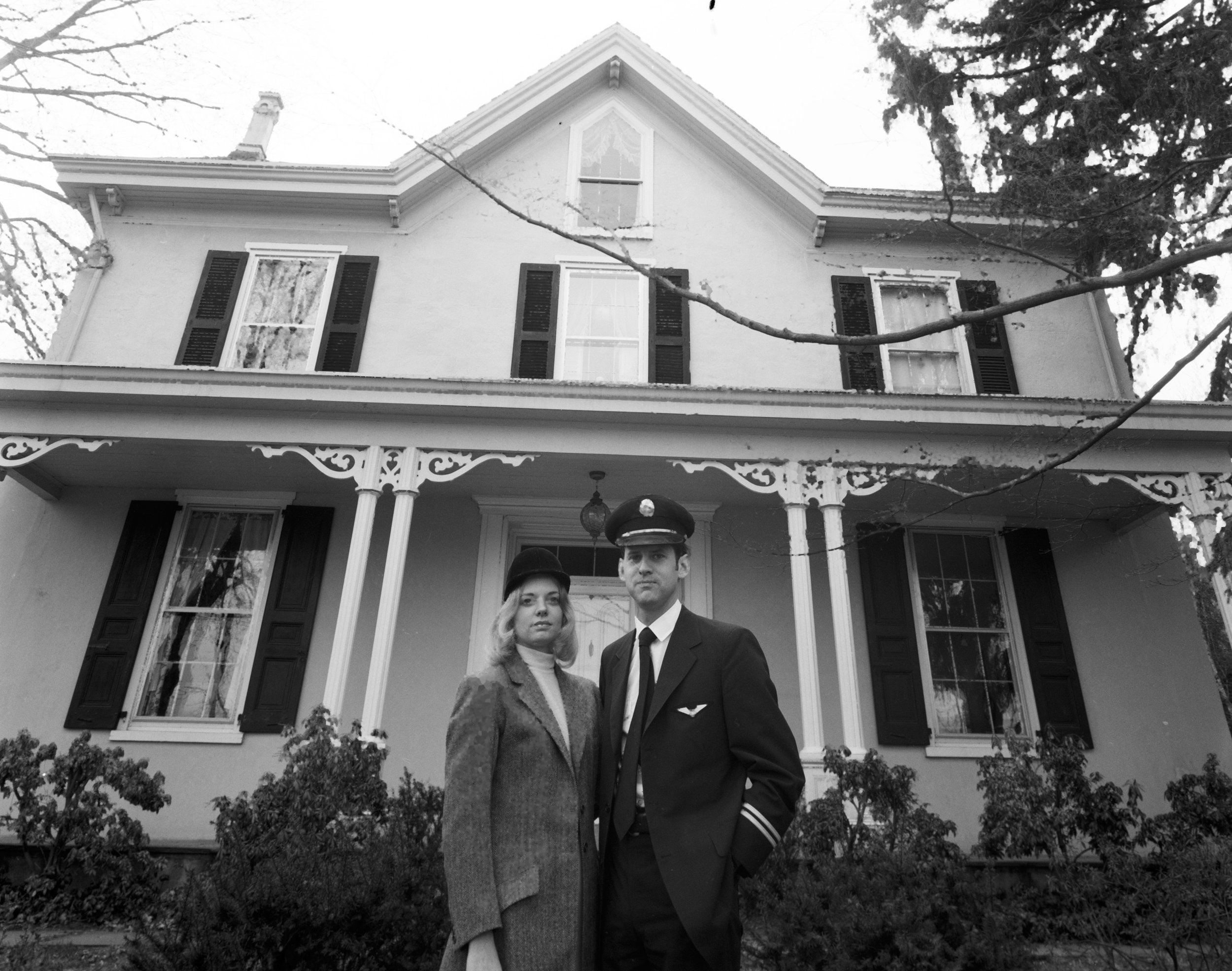
© Bruce Katsiff, Pilot Bob Cobun and his Equestrian Wife Chris, 1978, printed 2016, Archival pigment print
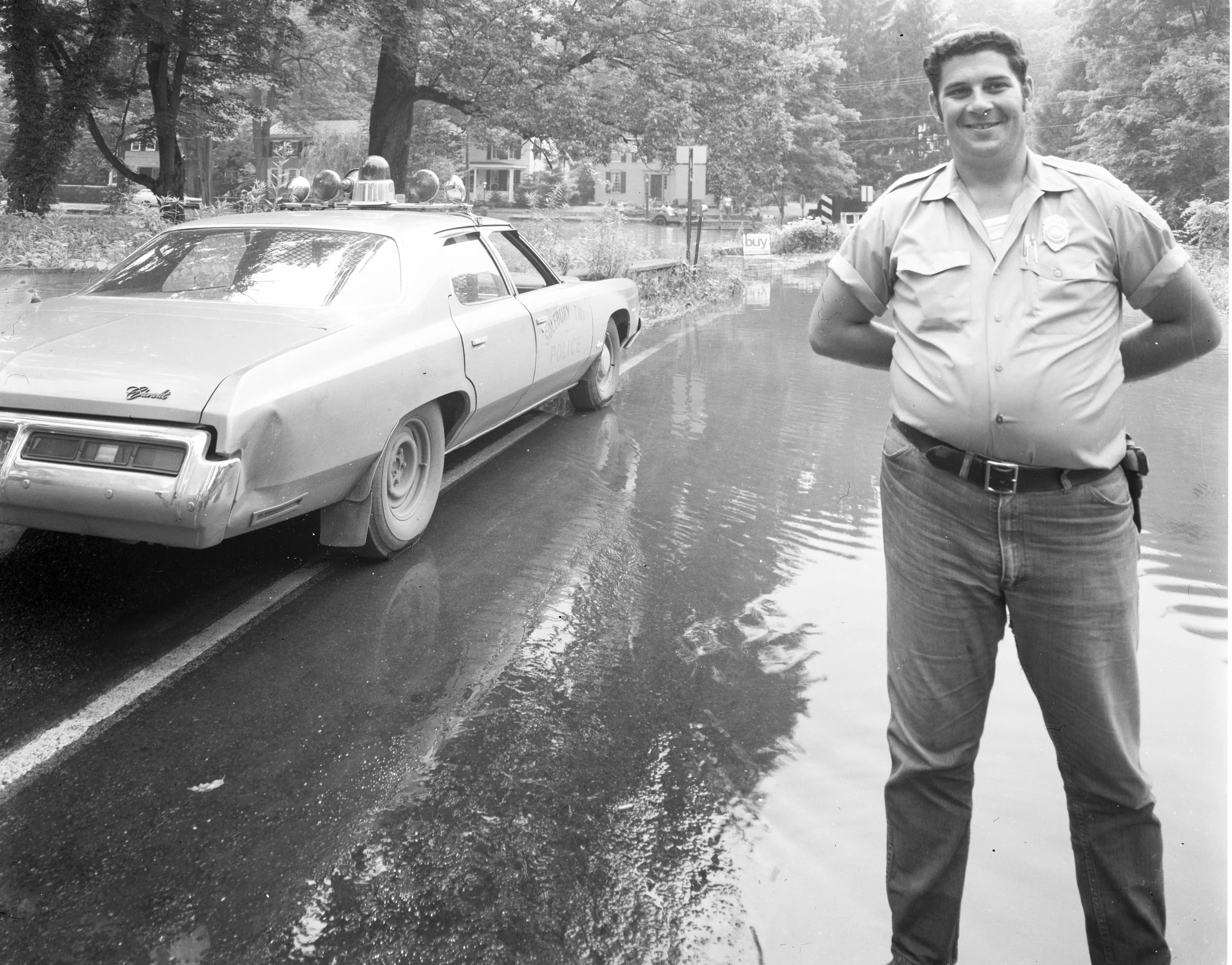
© Bruce Katsiff, Chief Mangan on Duty During a Flood, 1976, printed 2016, Archival pigment print
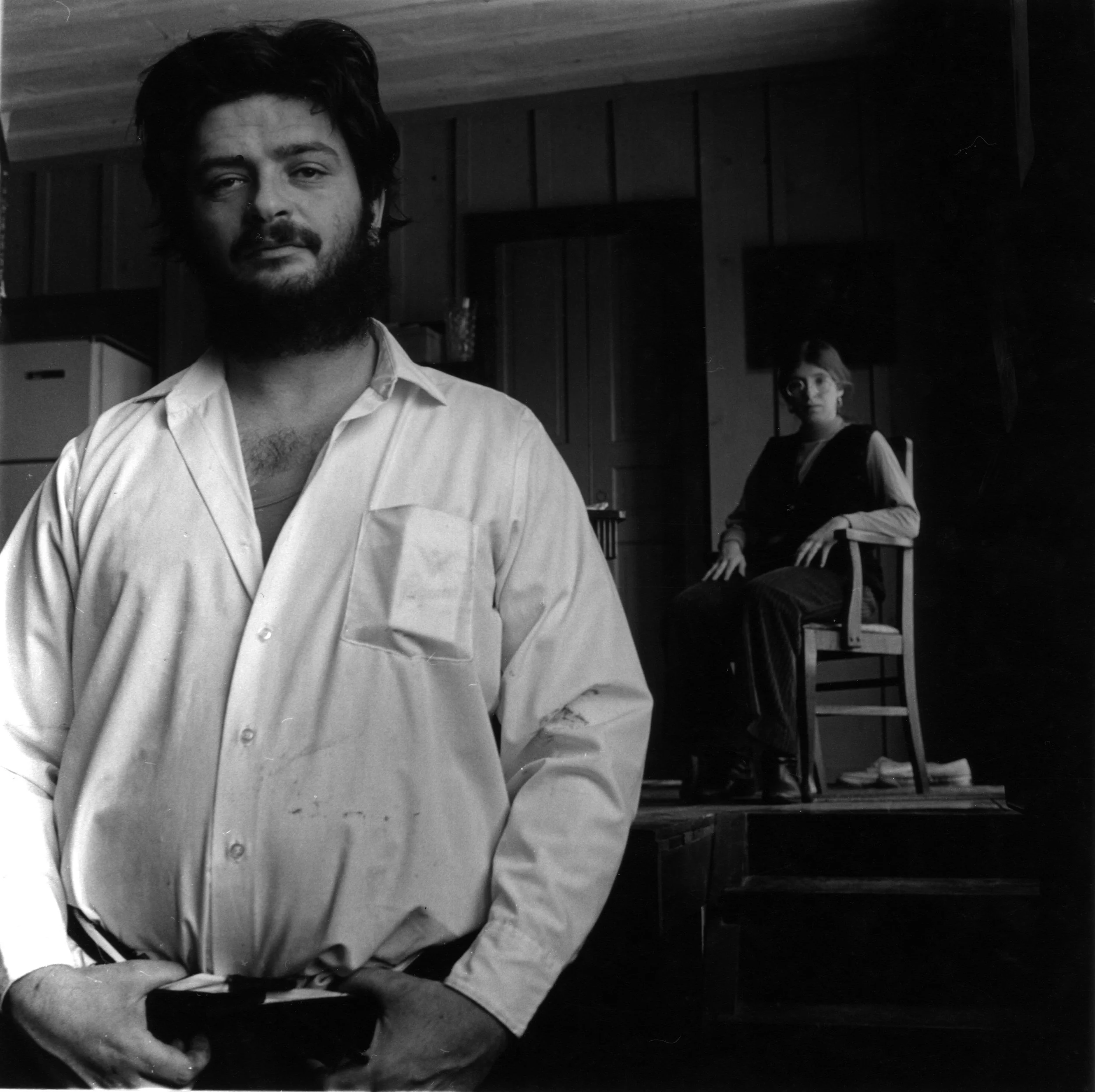
© Bruce Katsiff, Albert Handell, Artist with his Wife Susan, 1971, printed 2016, Archival pigment print

© Bruce Katsiff, Driving a Jeep Through the Flood Waters, 1976, printed 2016, Archival pigment print
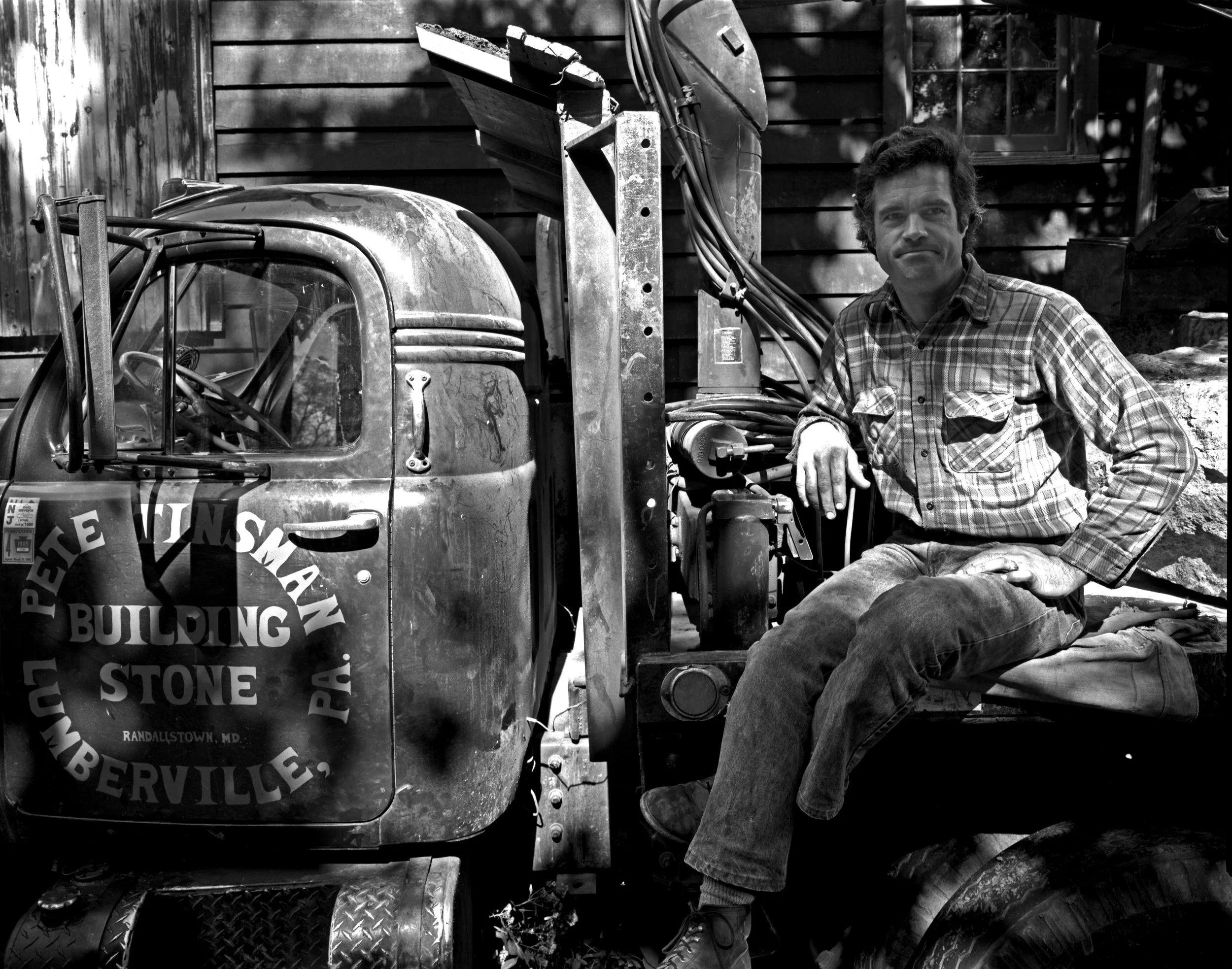
© Bruce Katsiff, Pete Tinsman, One of the Tinsman Brothers, 1972, printed 2016, Archival pigment print
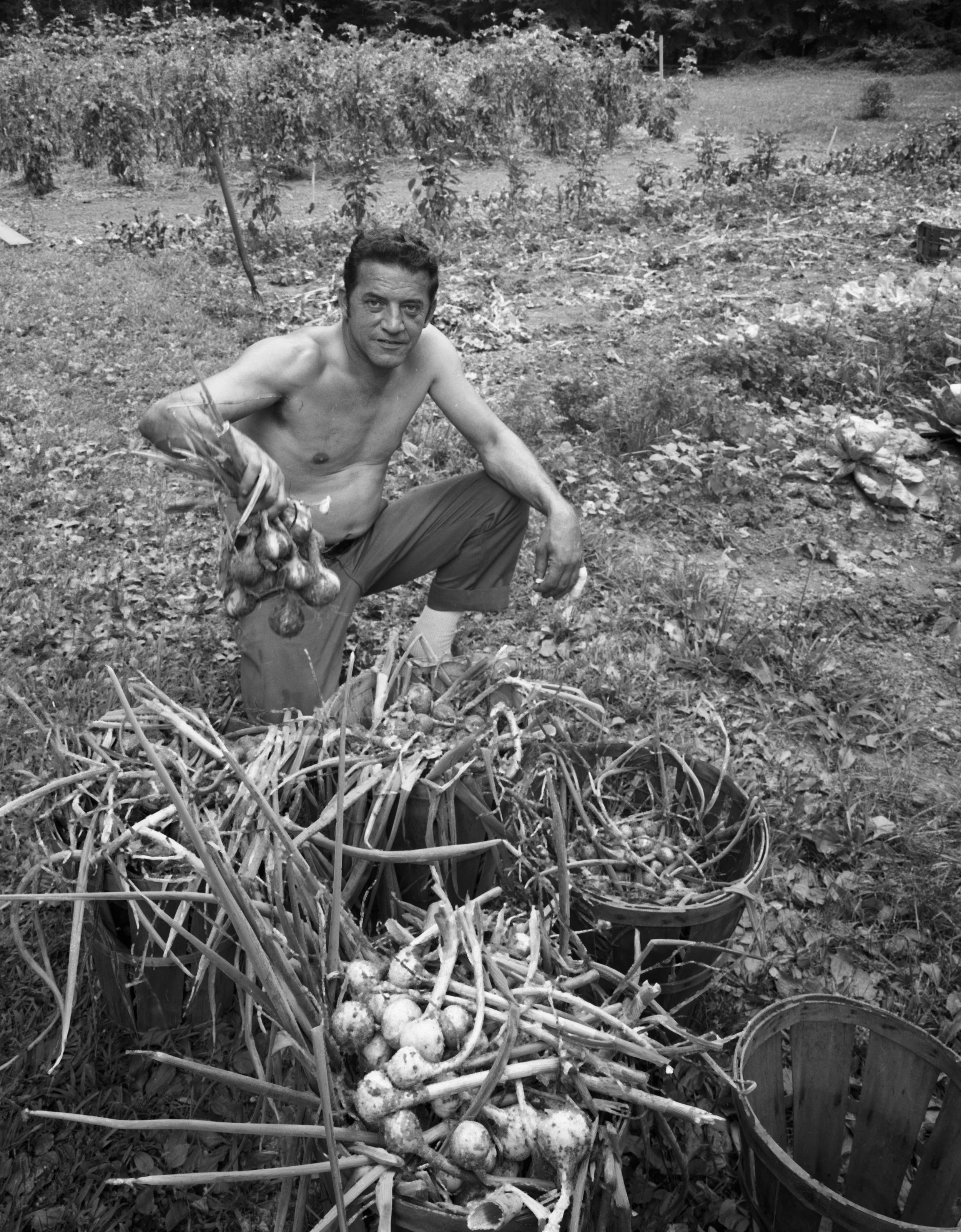
© Bruce Katsiff, Frank Feiler, the Best Gardener in the Village, 1975, printed 2016, Archival pigment print
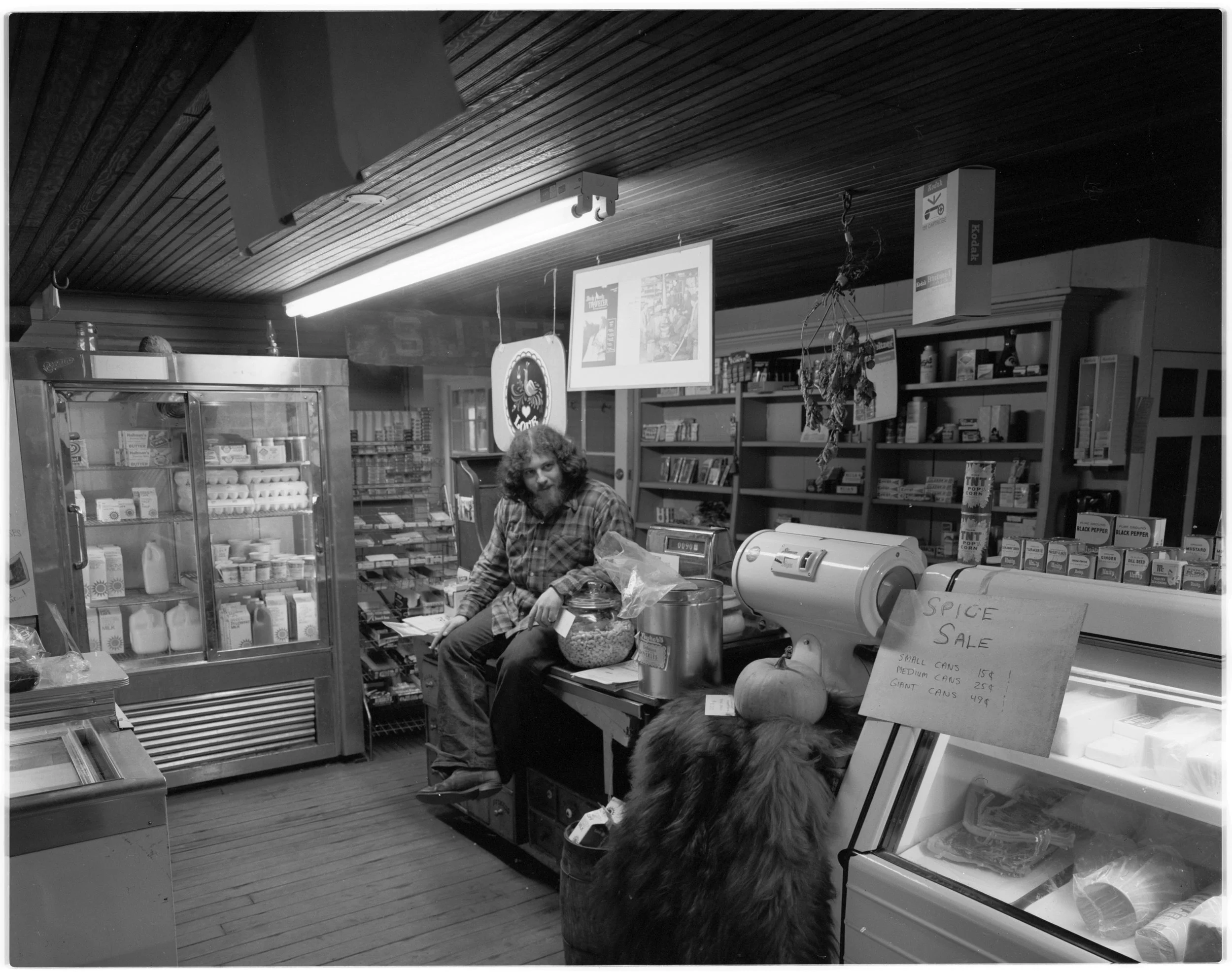
© Bruce Katsiff, Gerald Gordon, Owner of the General Store and “Mayor” of Lumberville, 1974, printed 2016, Archival pigment print
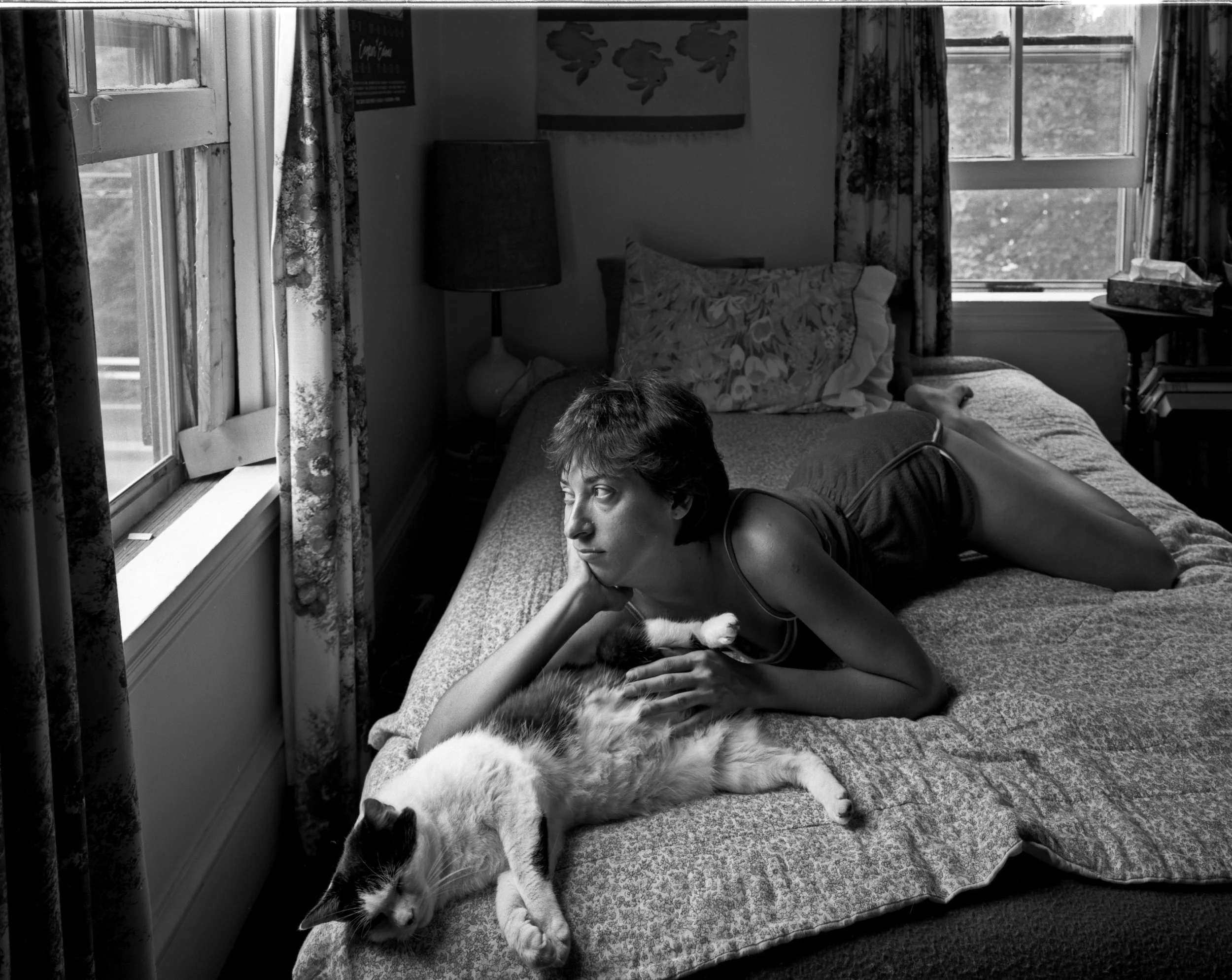
© Bruce Katsiff, Carla Van Dyk and Pussy, 1973, printed 2016, Archival pigment print
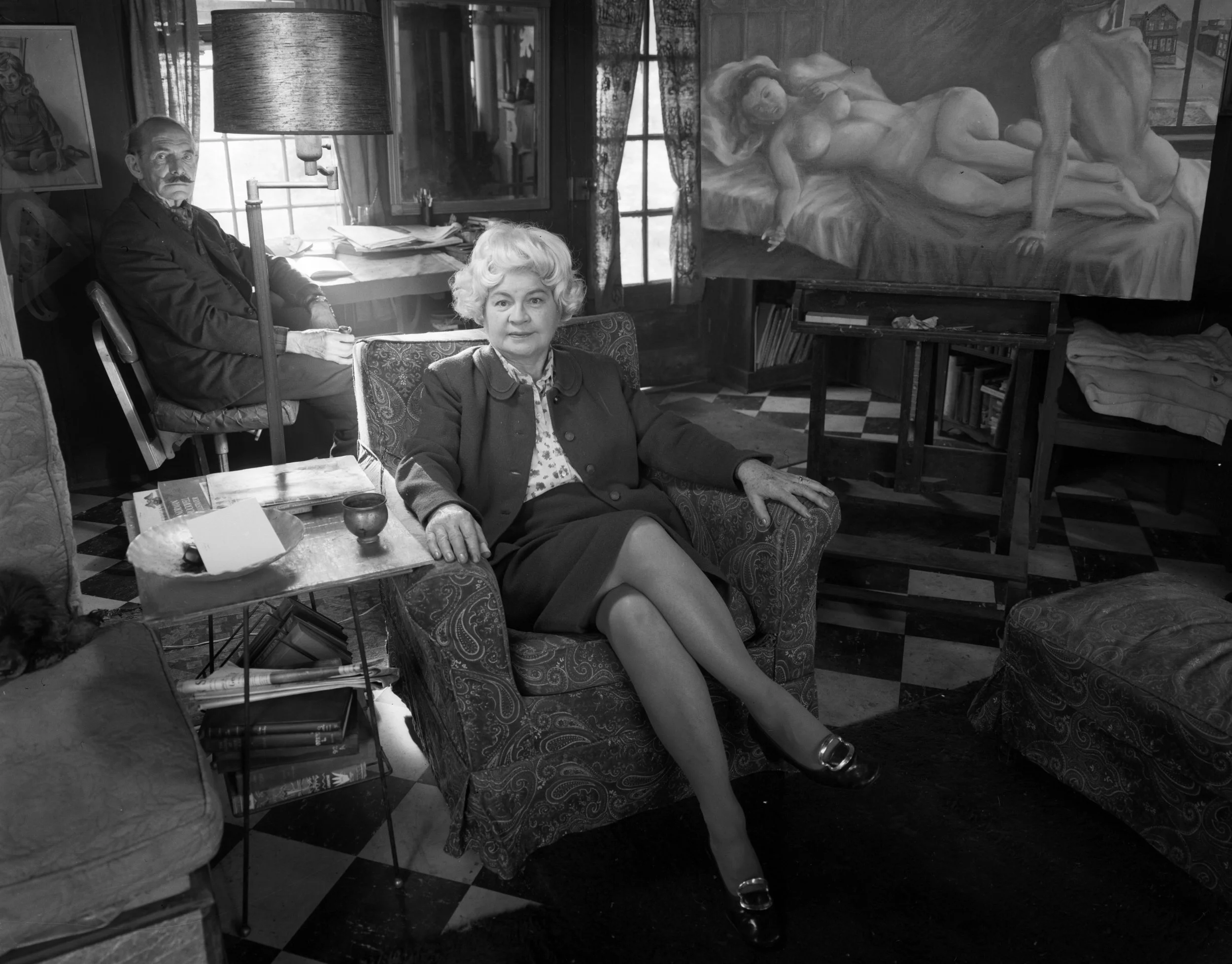
© Bruce Katsiff, Kenneth Bergram, Artist and his Wife, 1974, printed 2016, Archival pigment print
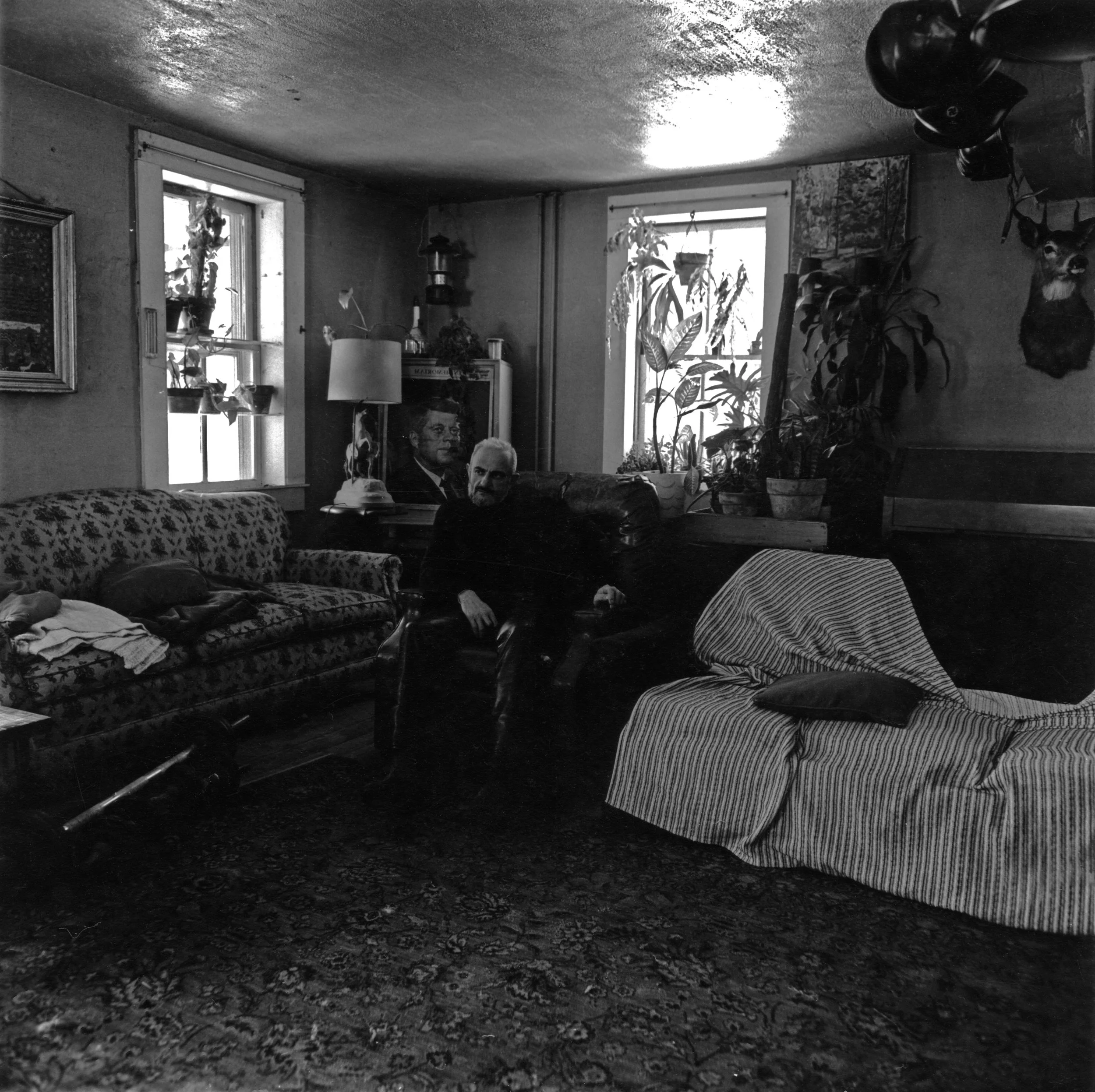
© Bruce Katsiff, “Leather Man”, 1975, printed 2016, Archival pigment print
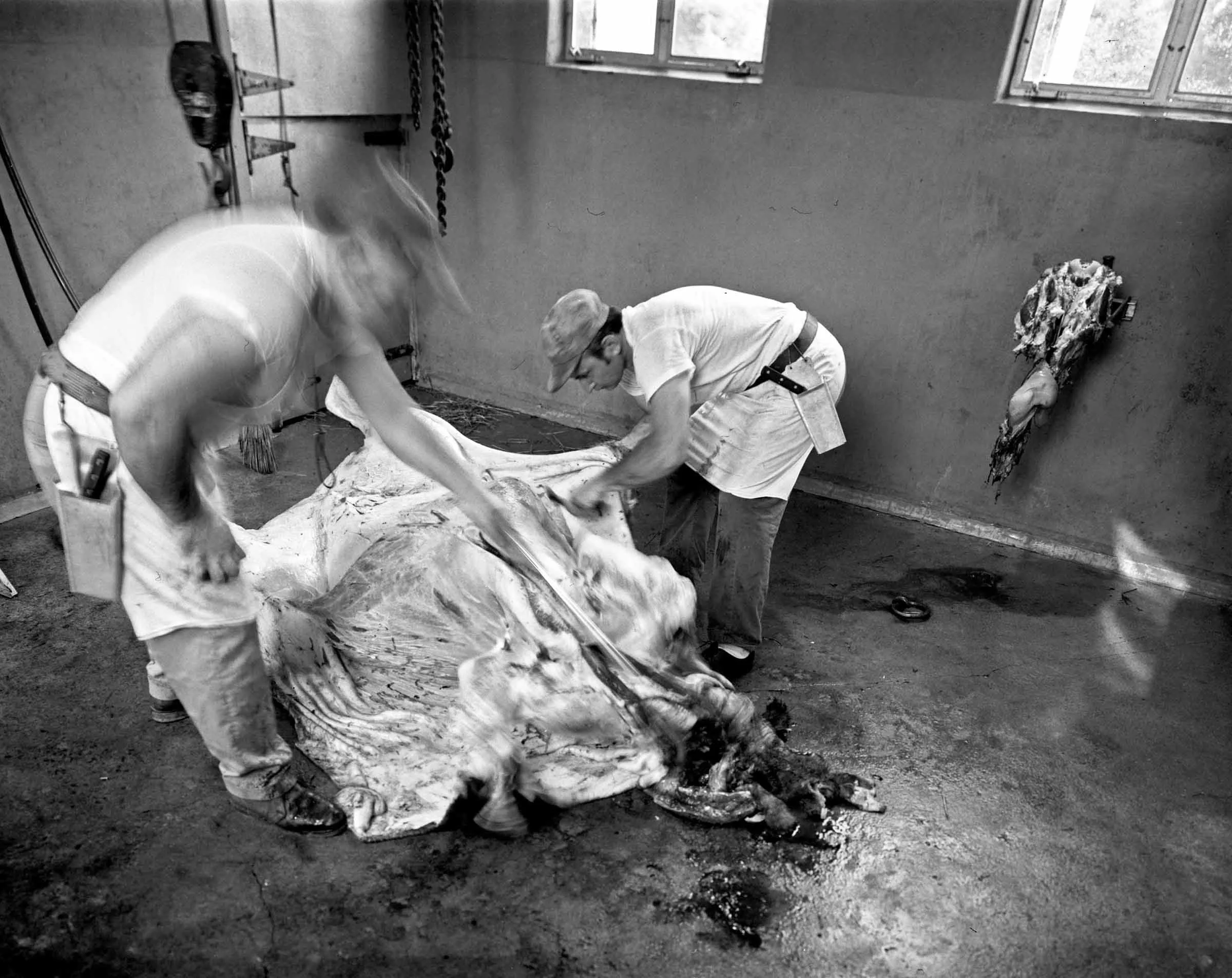
© Bruce Katsiff, Maresca Brothers, Butchers in their Slaughterhouse, 1976, printed 2026, Archival pigment print
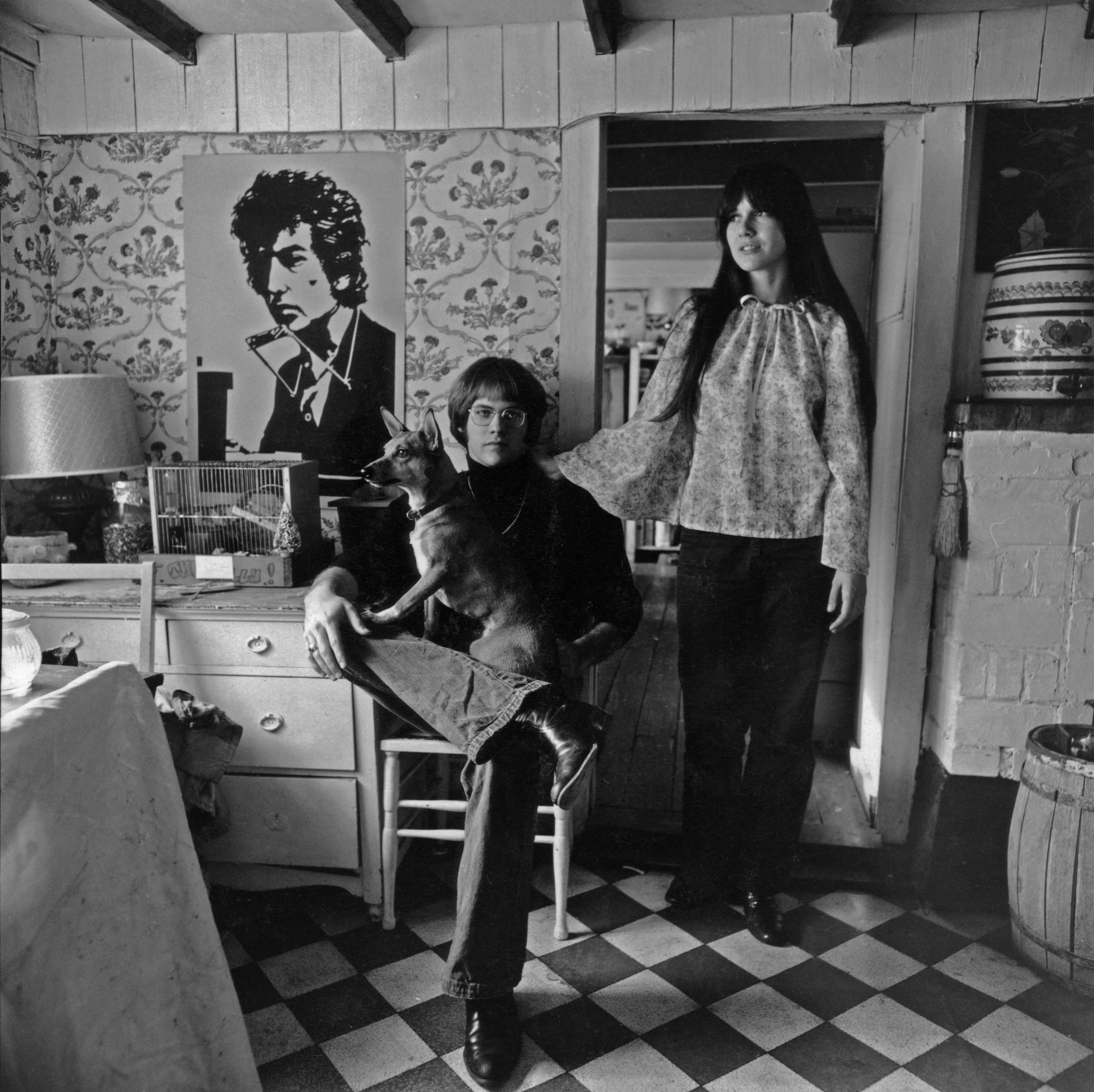
© Bruce Katsiff, Scott Minor with his Wife, 1971, printed 2016, Archival pigment print
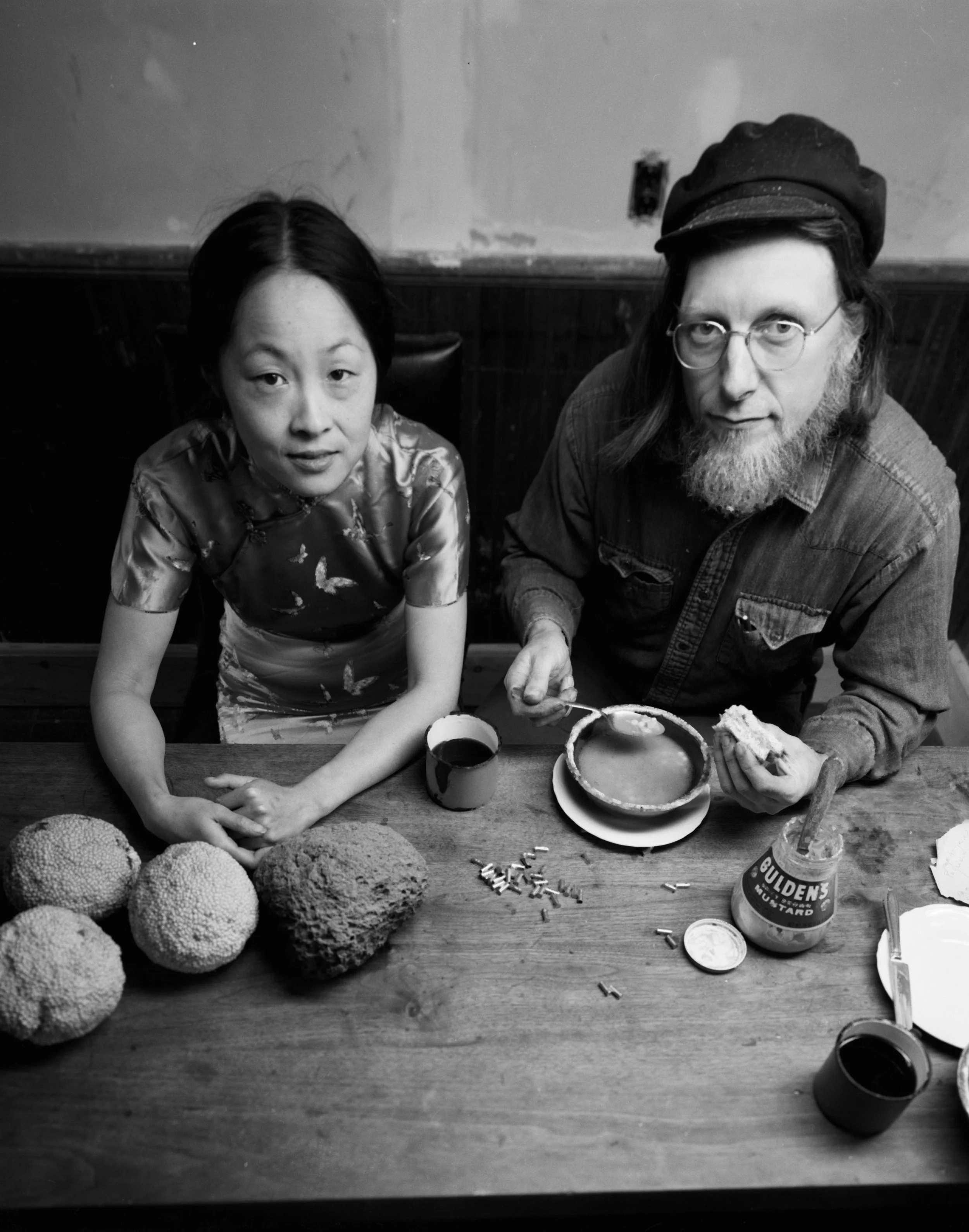
© Bruce Katsiff, Val and Mai Sigstedt, 1974, printed 2016, Archival pigment print
General
Between and alongside his extended River Town Portraits, Nature Morte, and Face Maps projects, Katsiff made other photographs as he traveled and moved through the world. These experiments and encounters are a critical foil to the artist’s formal series, revealing ideas-in-development that reinforce and reach between his other work. Some show his sustained interest in geometry. As the analog era made way for the digital, Katsiff’s experimentation began to respond to the emerging characteristics of the new reality.
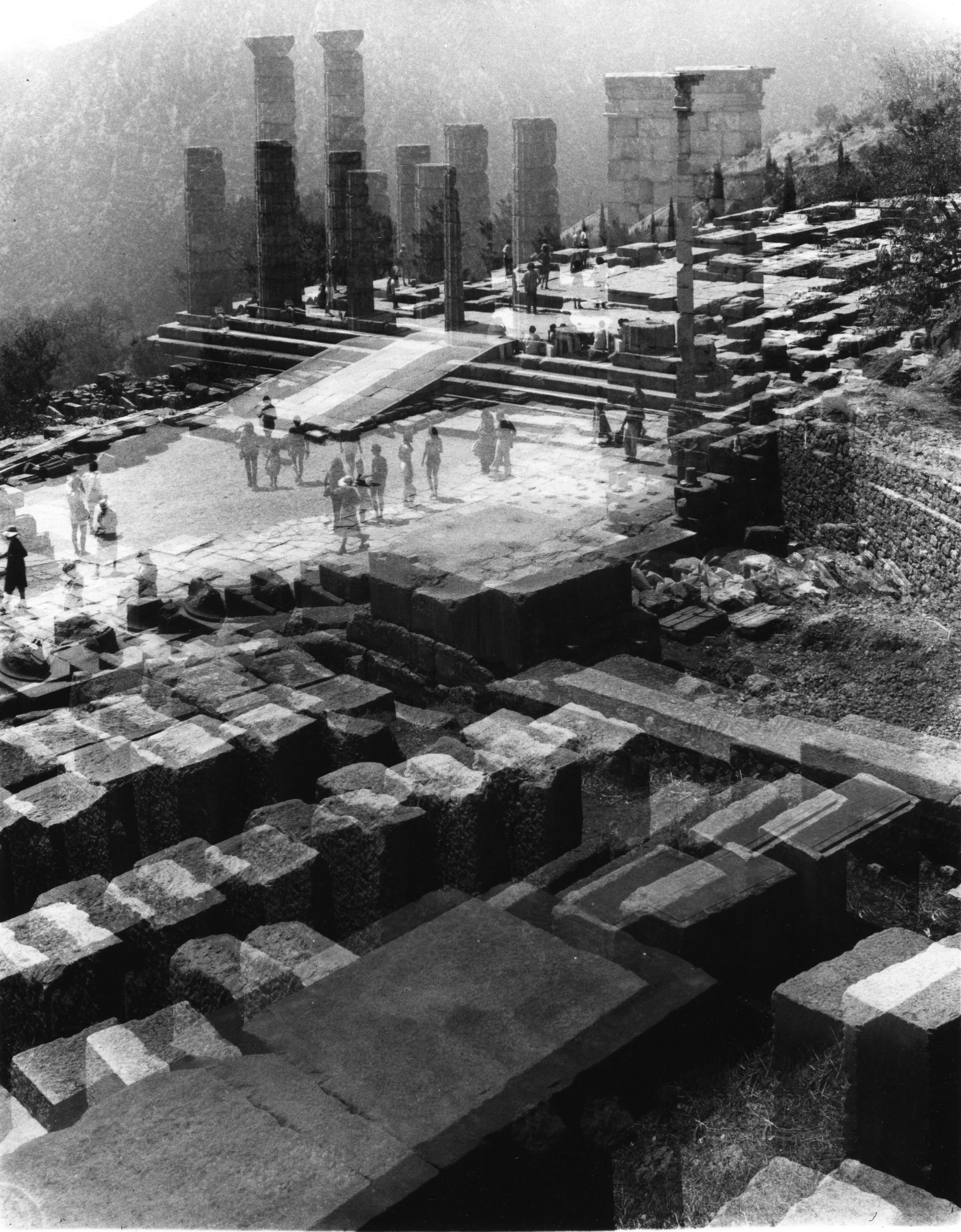
© Bruce Katsiff, Acropolis, 1977, printed 1978, Gelatin silver print
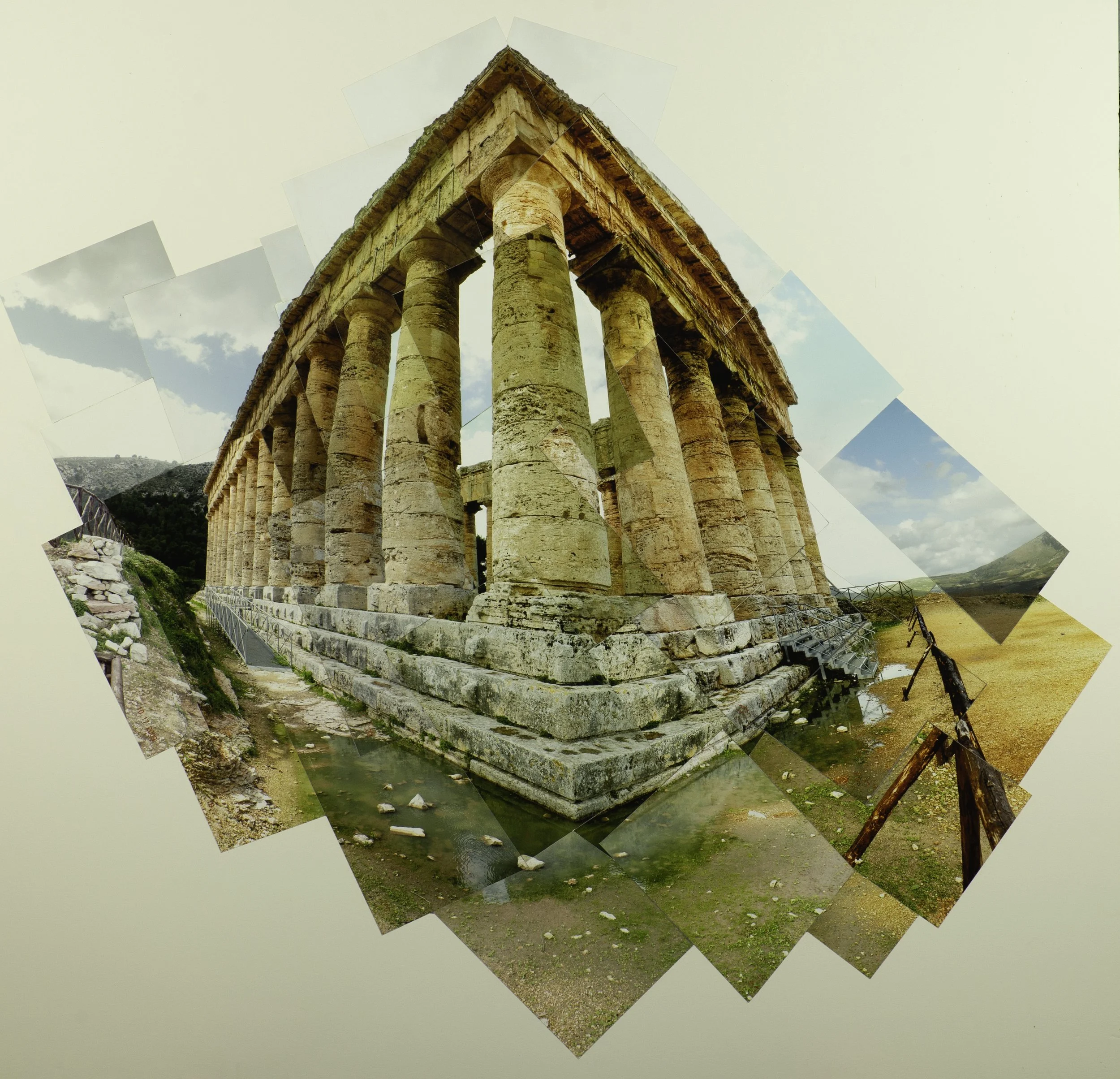
© Bruce Katsiff, Segesta, Ancient Greek Temple, 2019, printed 2020, Archival pigment print
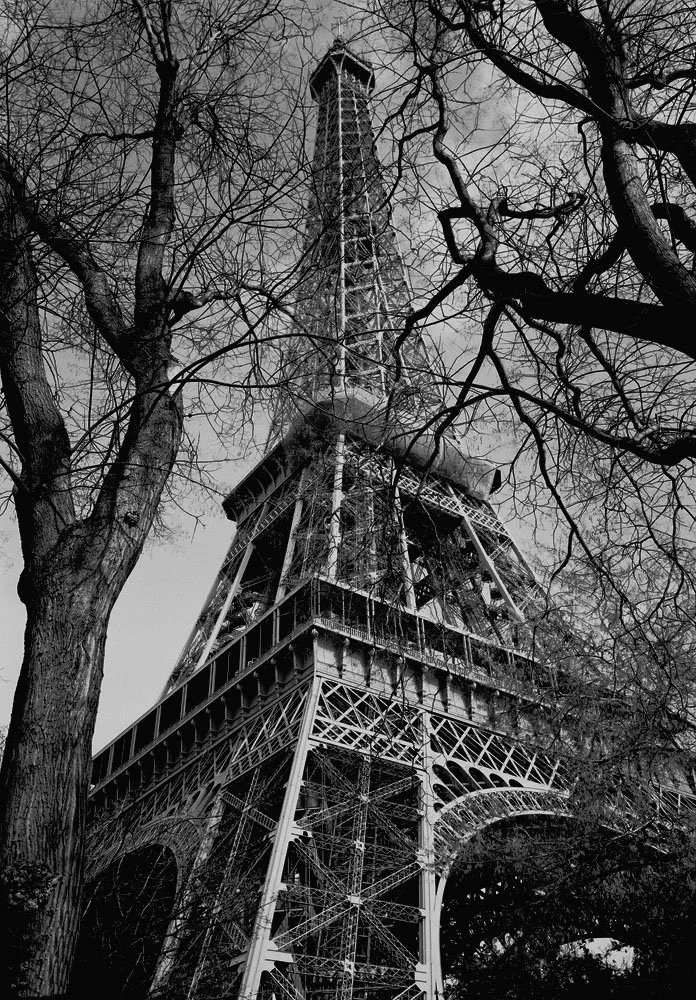
© Bruce Katsiff, Eiffel Tower, 2003, printed 2005, Archival pigment print
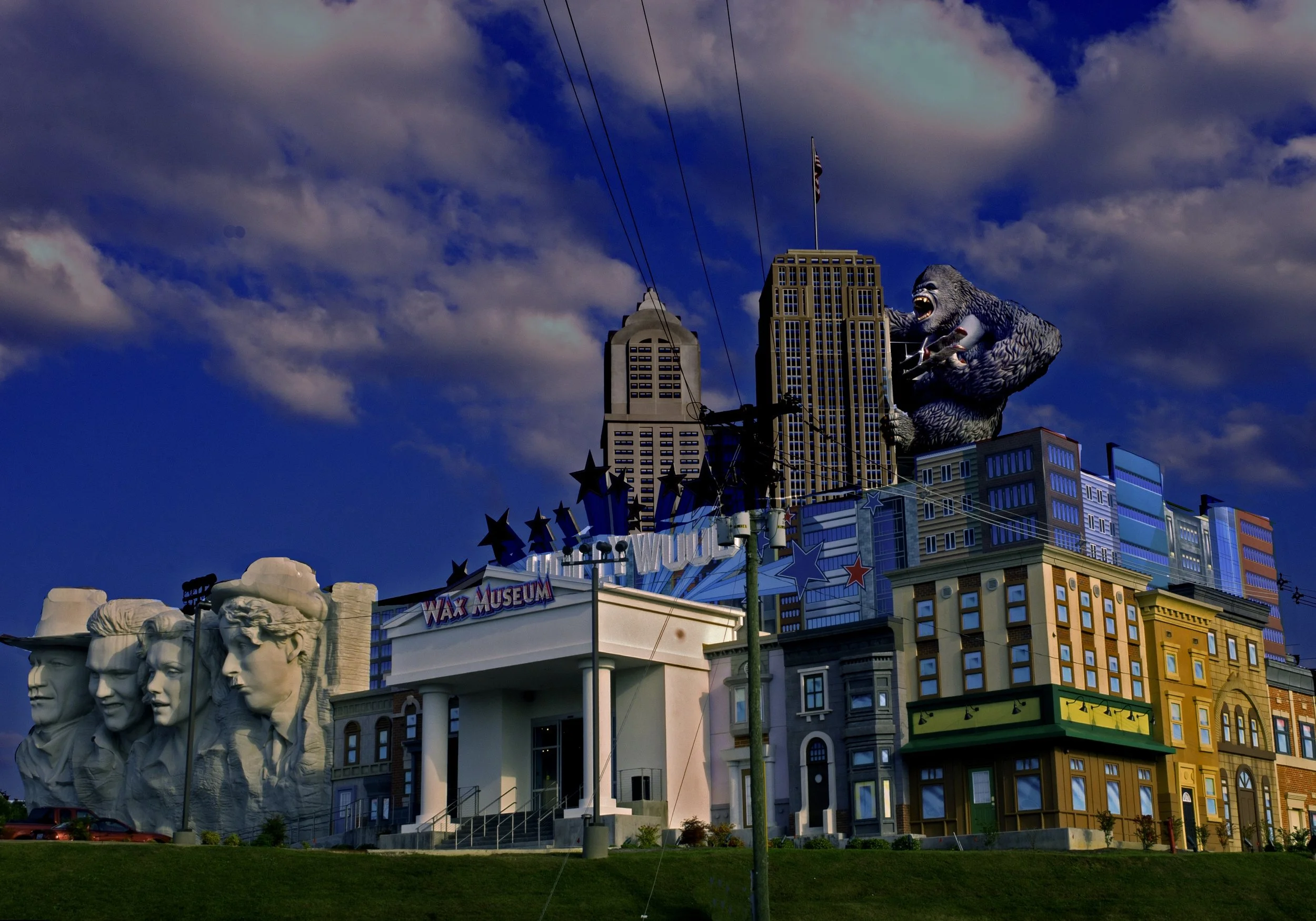
© Bruce Katsiff, Dollywood Fantasy, 2018, printed 2024, Archival pigment print
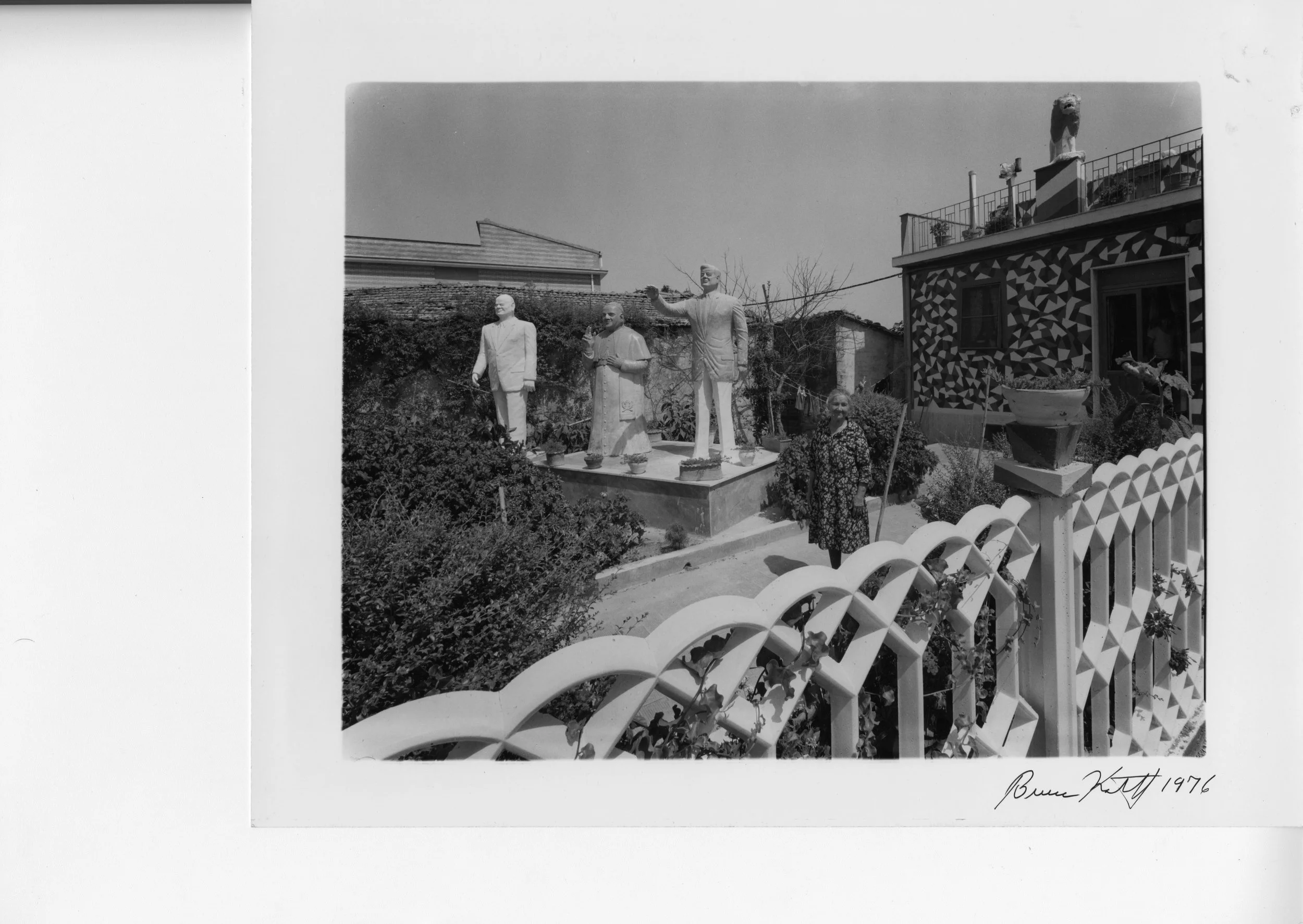
© Bruce Katsiff, Personal Italian Monument, 1974, printed 1976, Gelatin silver print
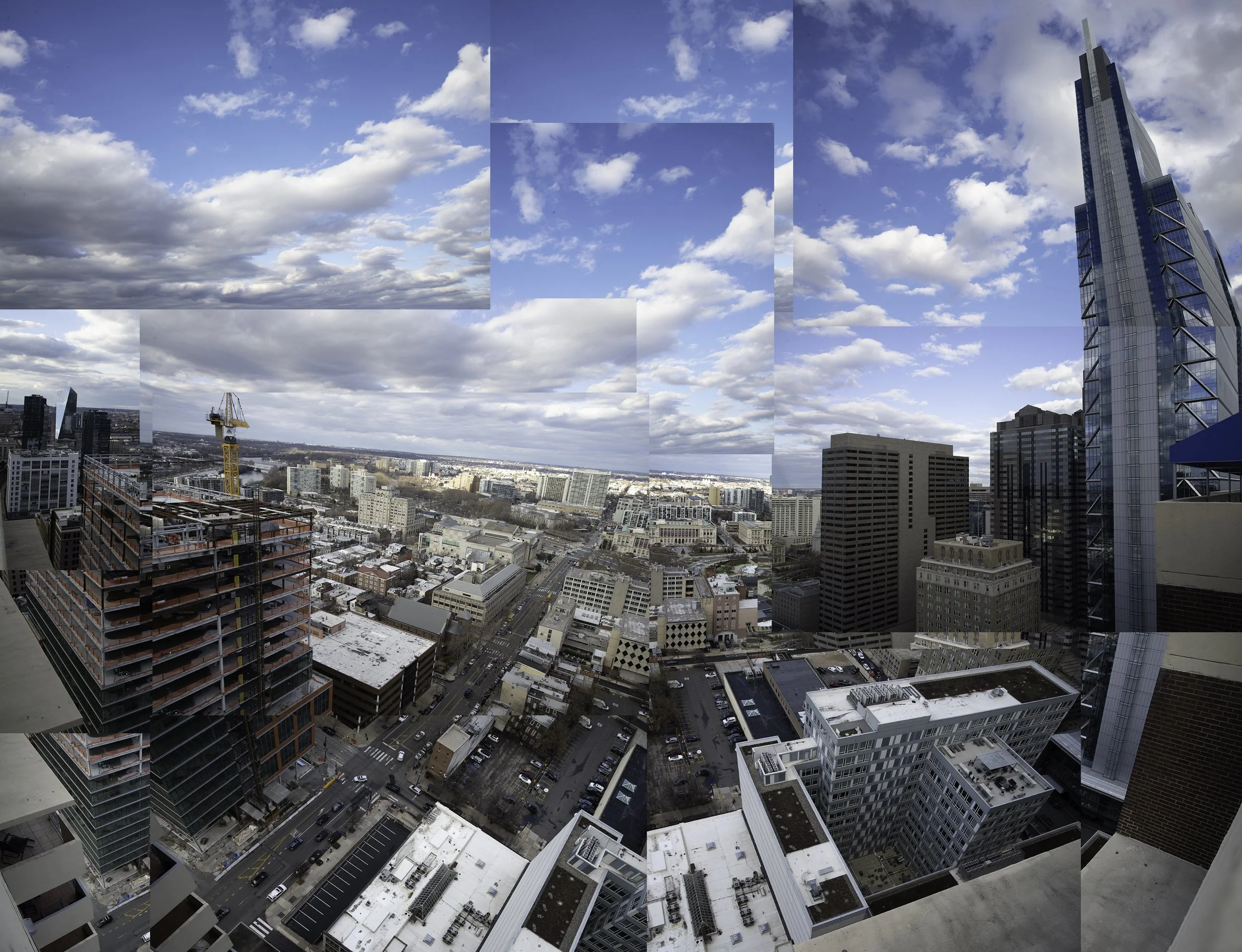
© Bruce Katsiff, Philly Rooftop, 2024, printed 2024, Archival pigment print
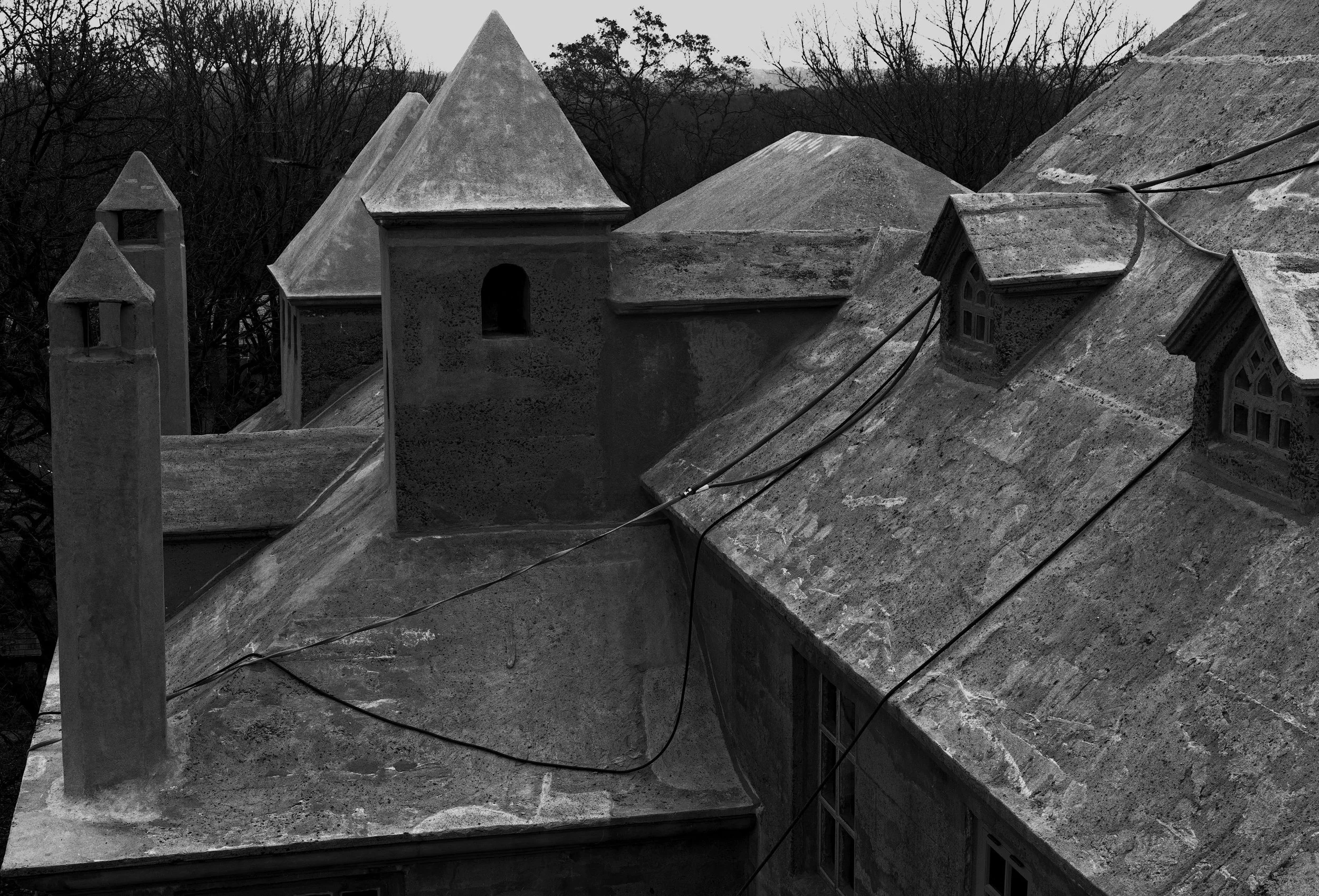
© Bruce Katsiff, Roof Snakes, 2004, printed 2005, Platinum/palladium print
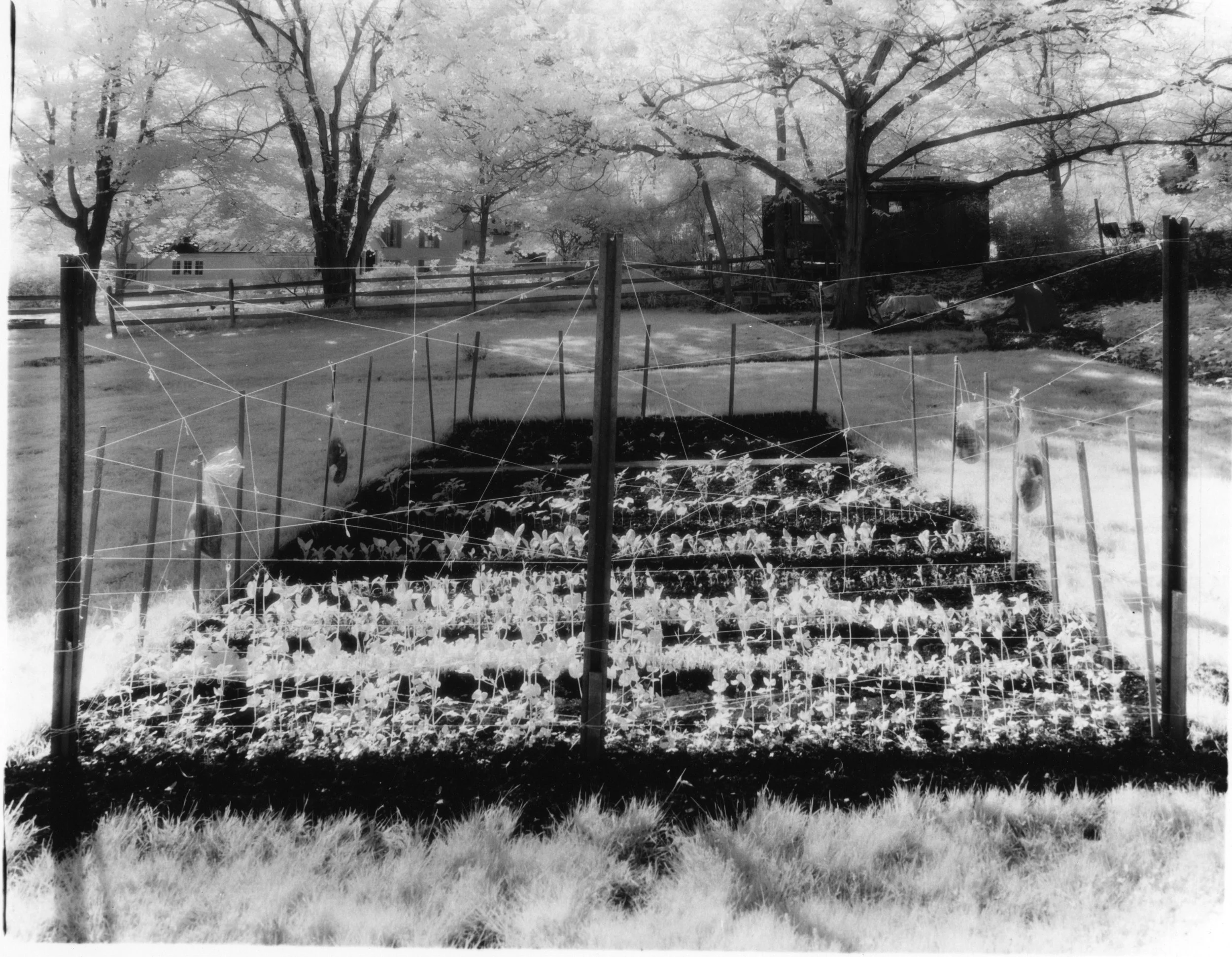
© Bruce Katsiff, Solebury Garden, 1978, printed 1979, Gelatin silver print
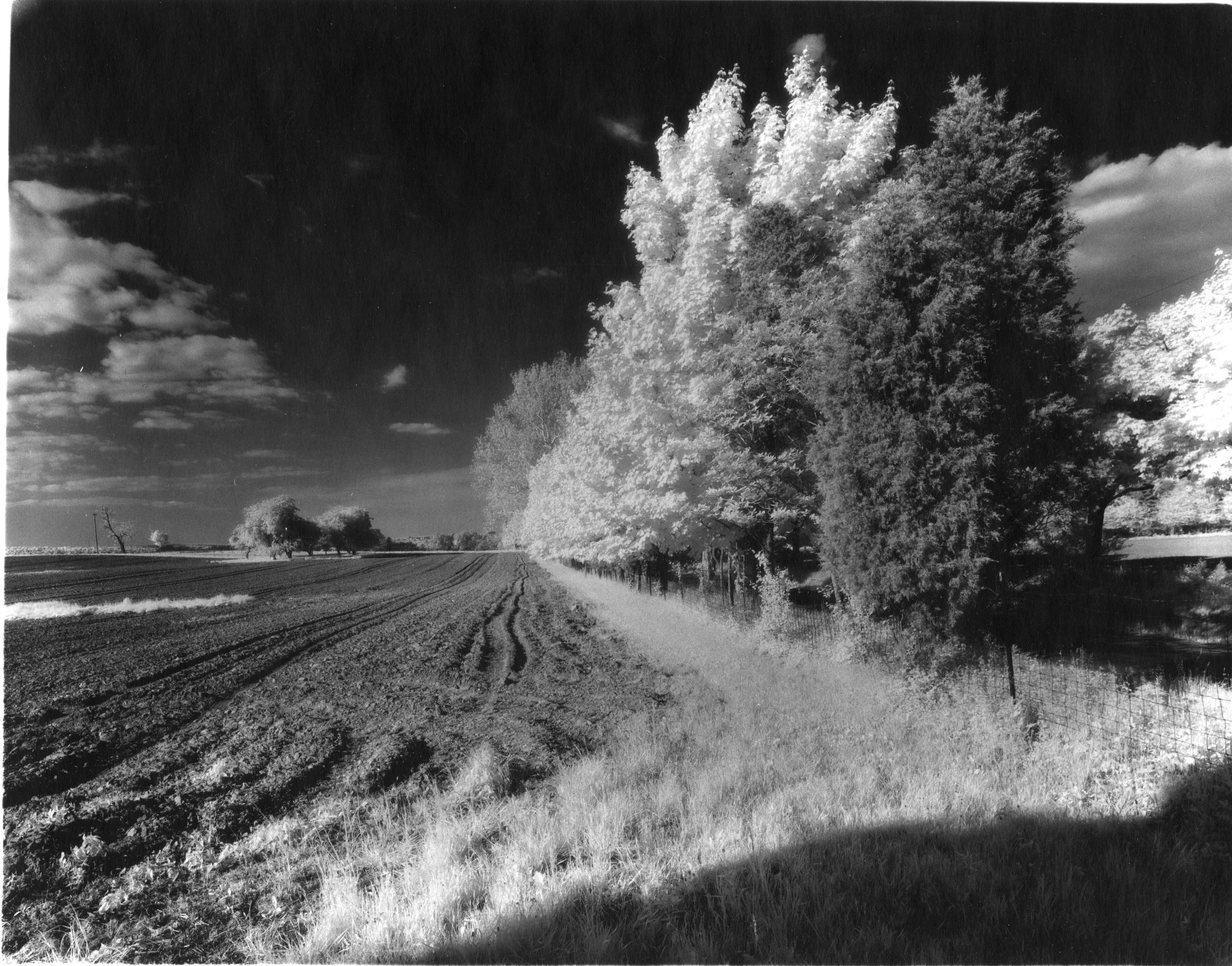
© Bruce Katsiff, Solebury Lane, 1979, printed 1979, Gelatin silver print
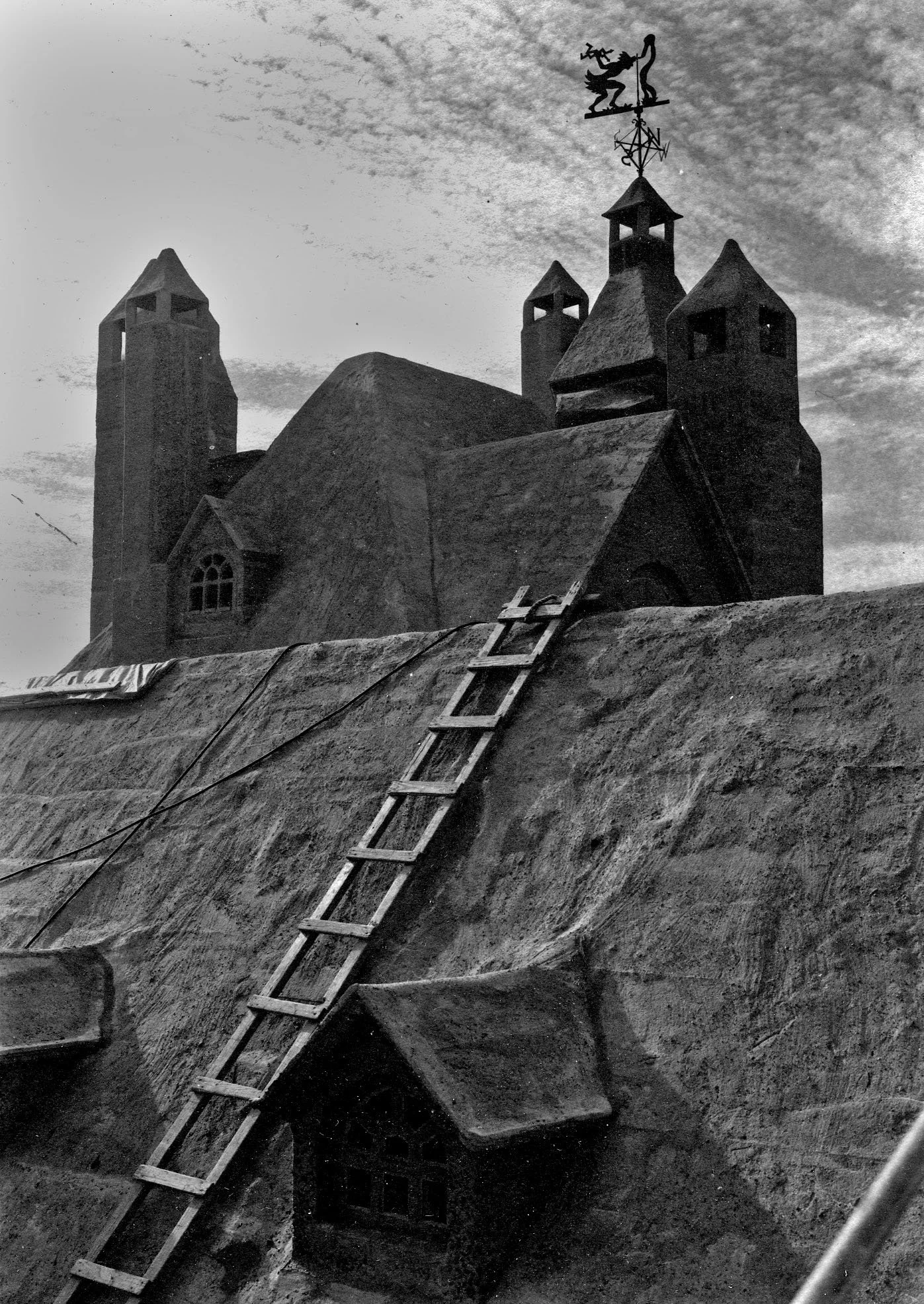
© Bruce Katsiff, Stairway to Heaven, 1996, printed 1997, Platinum/palladium print
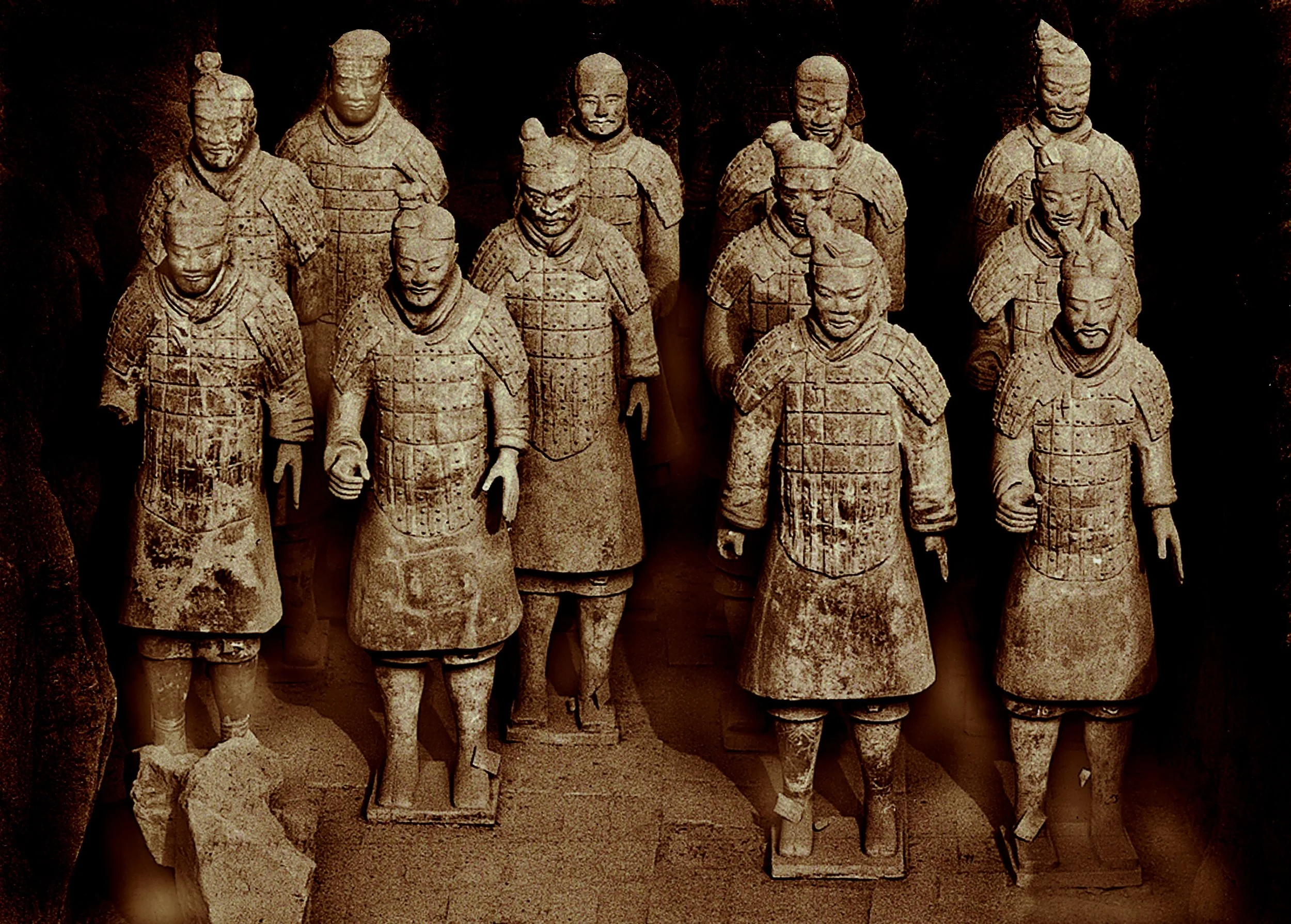
© Bruce Katsiff, The Warriors, 1988, printed 2005, Archival pigment print
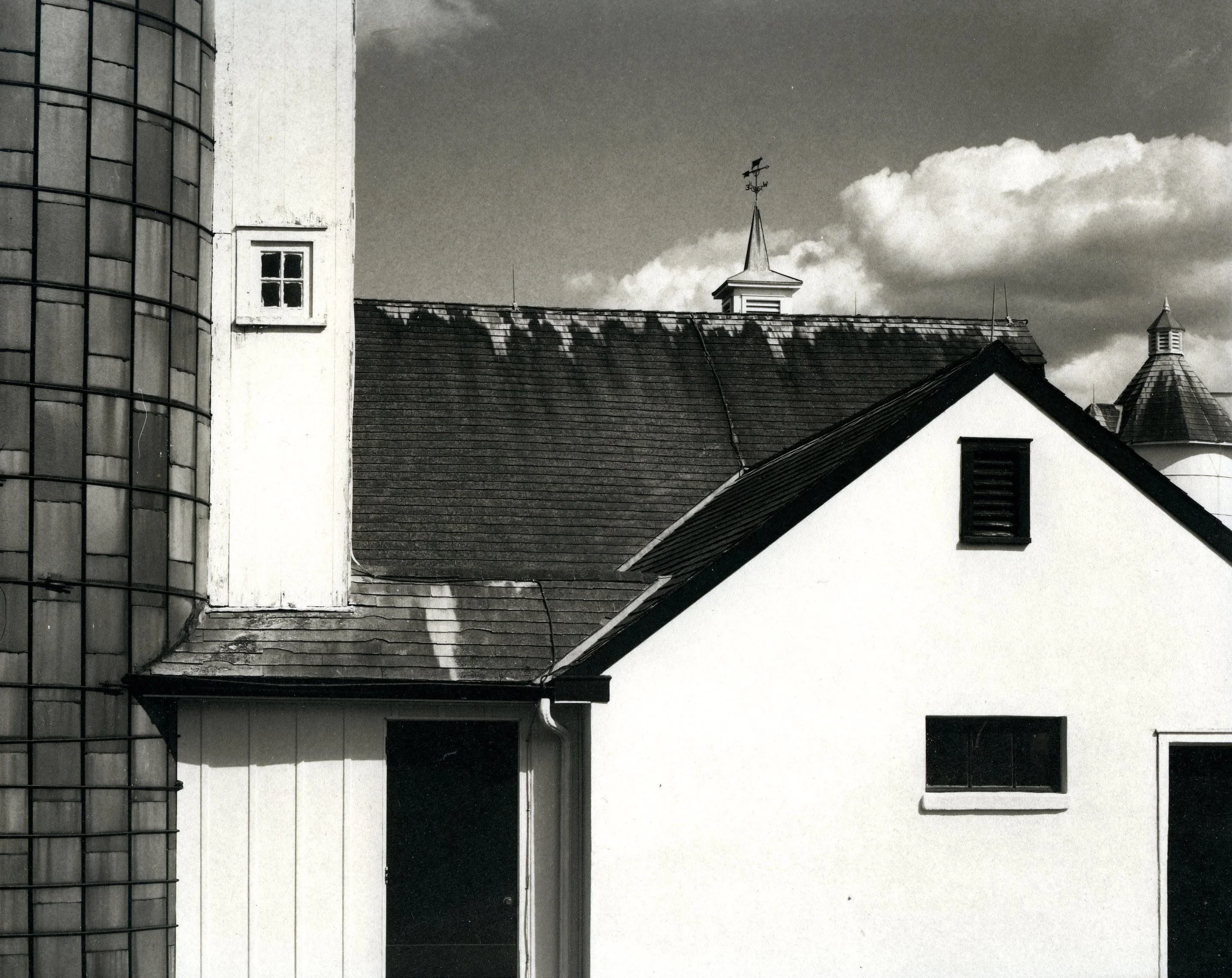
© Bruce Katsiff, White Barn, 1997, printed 1998, Platinum/palladium print
face maps
As Katsiff’s Nature Morte series drew to a close in the early 2000s, digital photography became increasingly accessible and ubiquitous. A tide was turning: in 2004, Kodak announced the end of its production of film cameras, signaling a mass-culture transition to a new digital epoch. Katsiff utilized this new technology in his presentations of the familiar topography of the human head as distorted and rearranged assemblages of details, appearing like a cartographic projection of the Earth. Unlike the getting-to-know-you motives underpinning the River Town Portraits, Katsiff’s Face Maps record the features of close family and longtime friends, joining a long tradition of portrait exchange between artists.
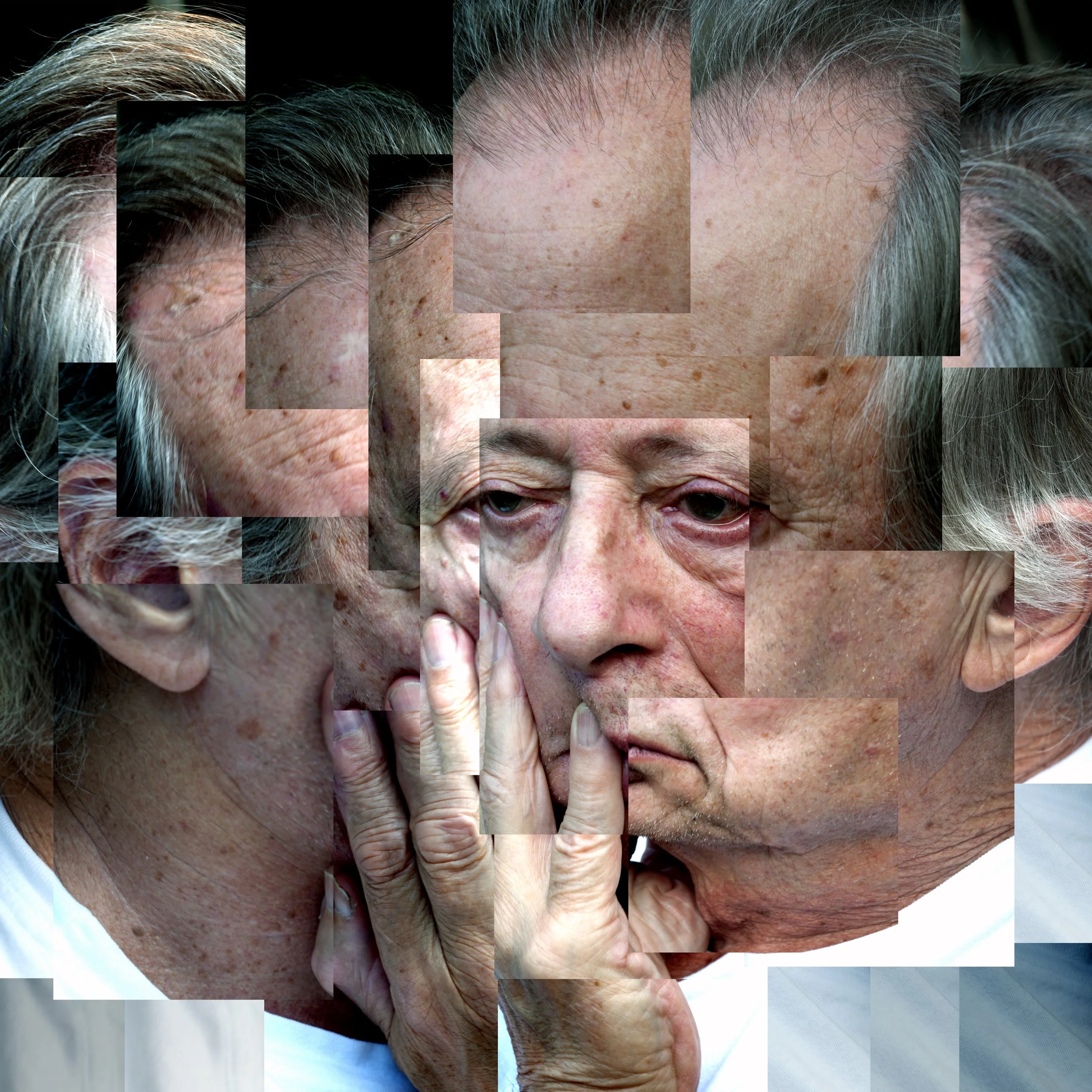
© Bruce Katsiff, Alan Goldstein, 2010, printed 2012, Archival pigment print
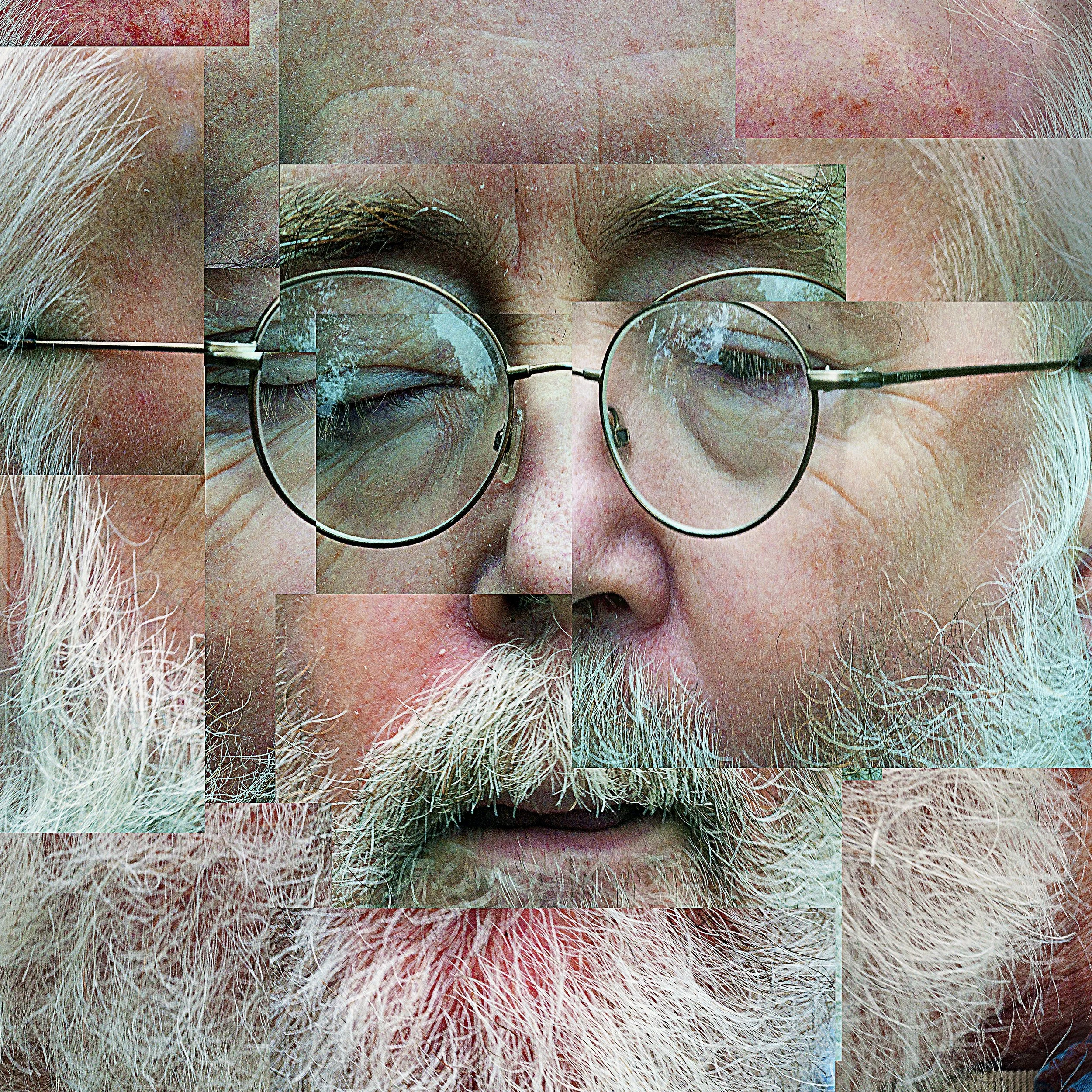
© Bruce Katsiff, Brian Peterson, 2009, printed 2025, Archival pigment print
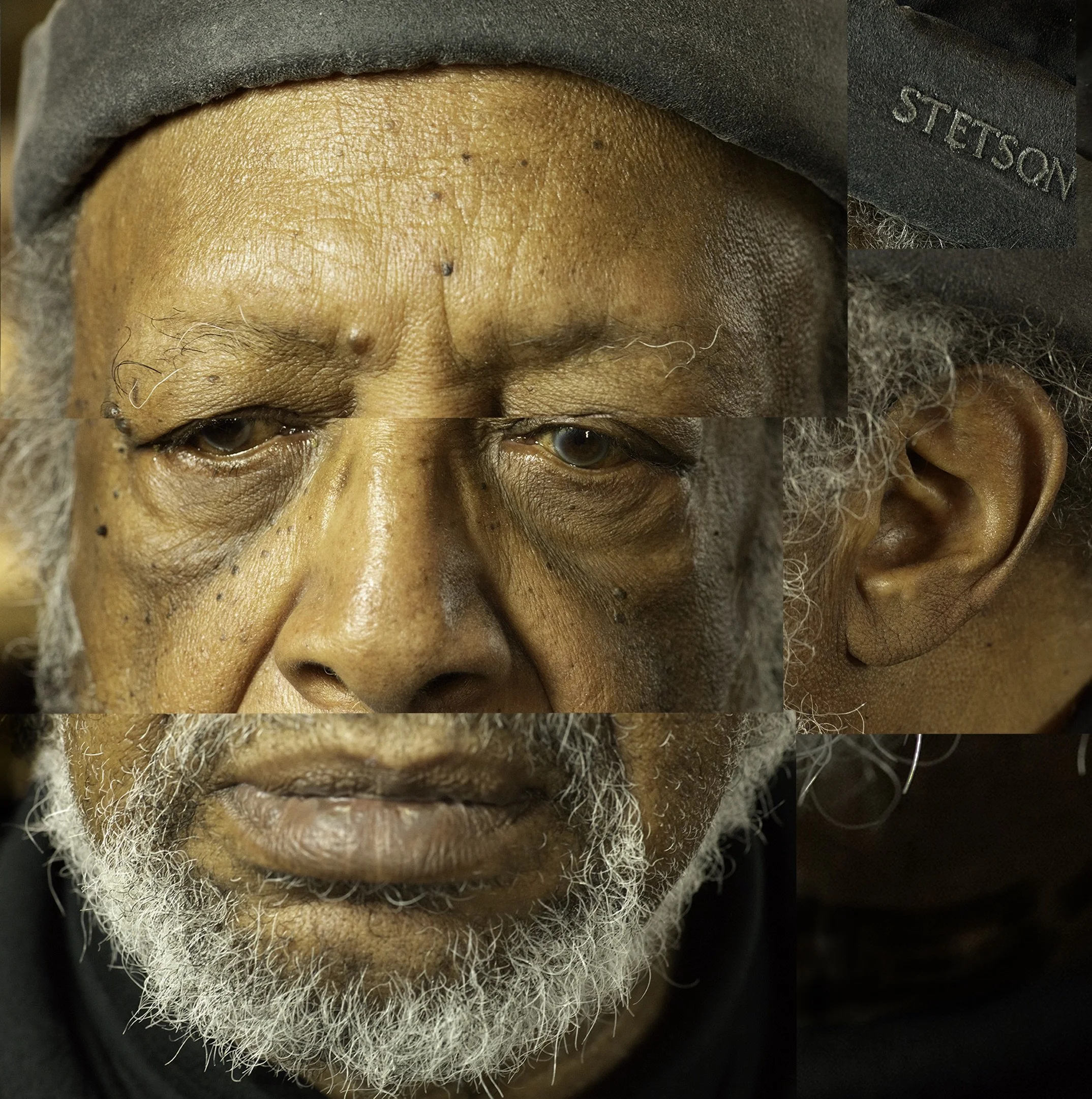
© Bruce Katsiff, Don Camp, 2024, printed 2024, Archival pigment print
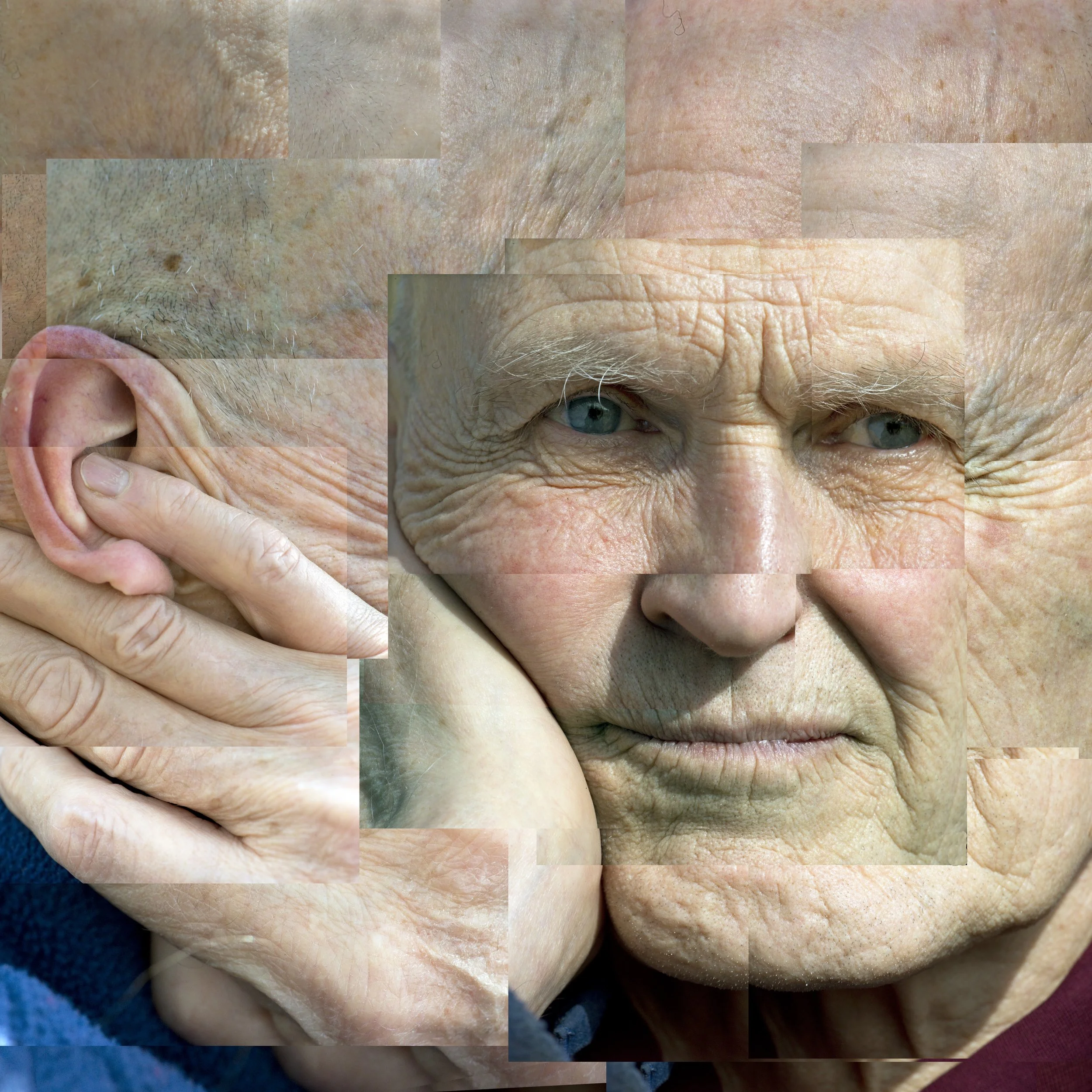
© Bruce Katsiff, George Anthonisen, 2012, printed 2024, Archival pigment print
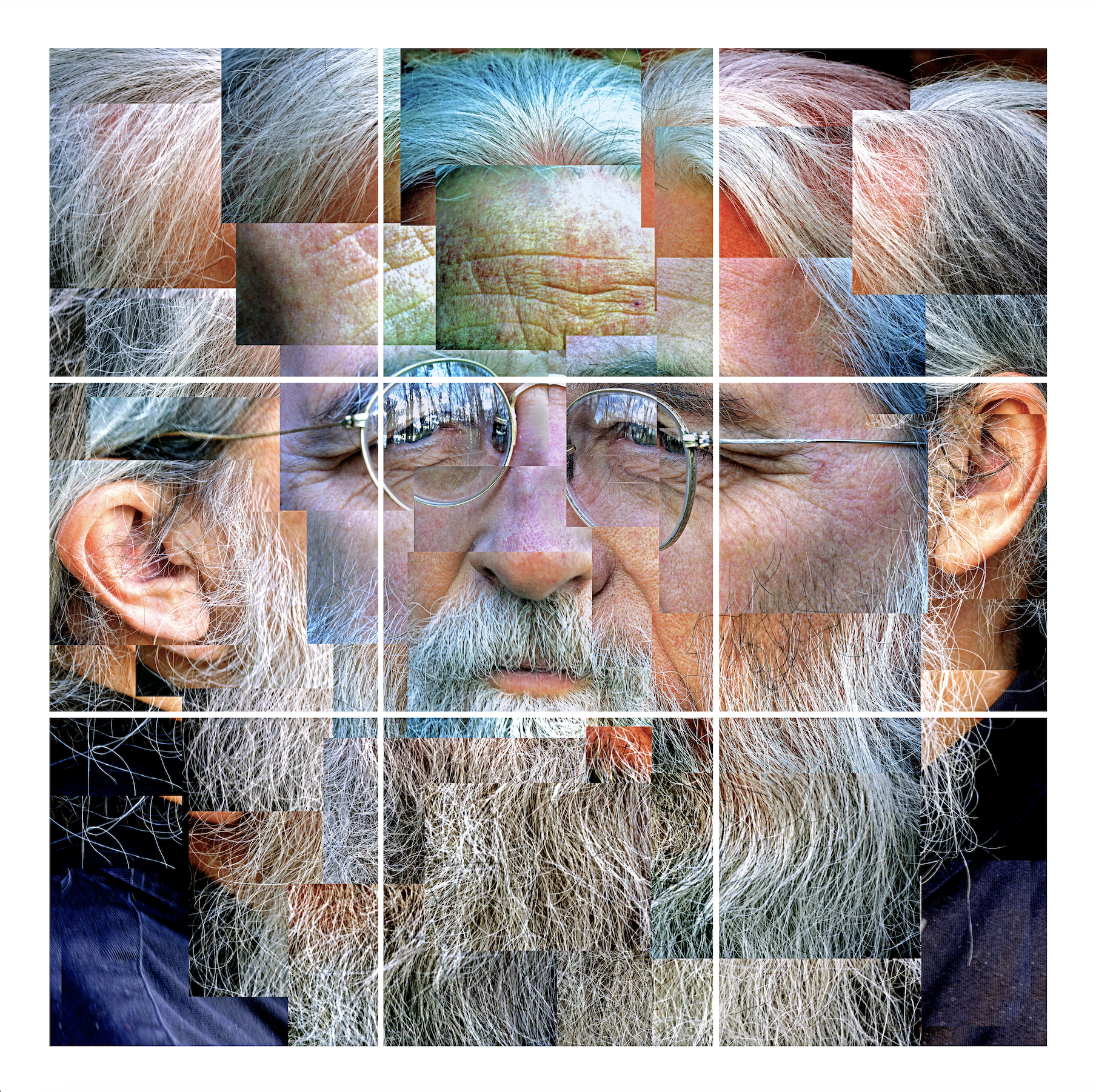
© Bruce Katsiff, John Vanco, 2009, printed 2025, Archival pigment print
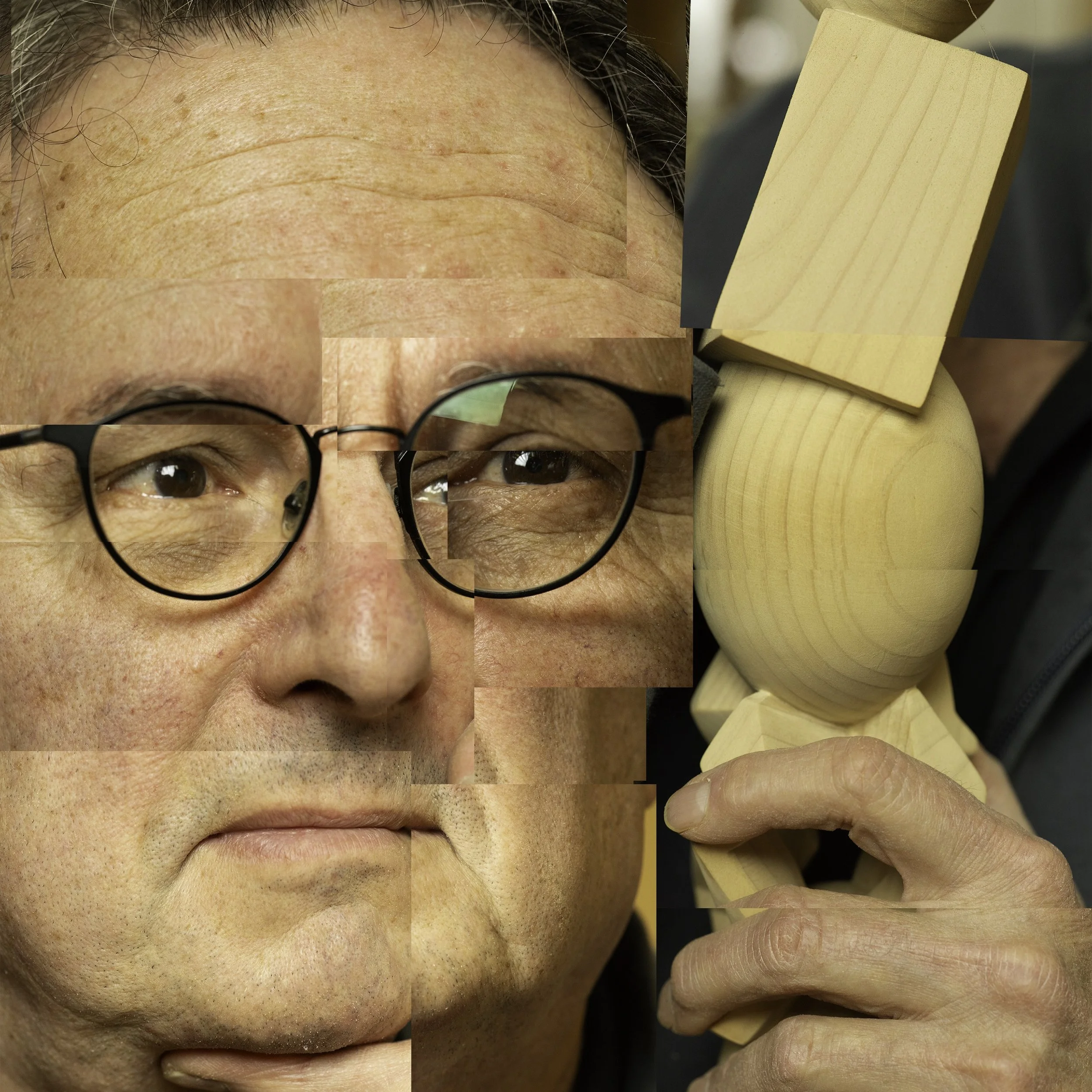
© Bruce Katsiff, Mark Sfirri, 2024, printed 2024, Archival pigment print
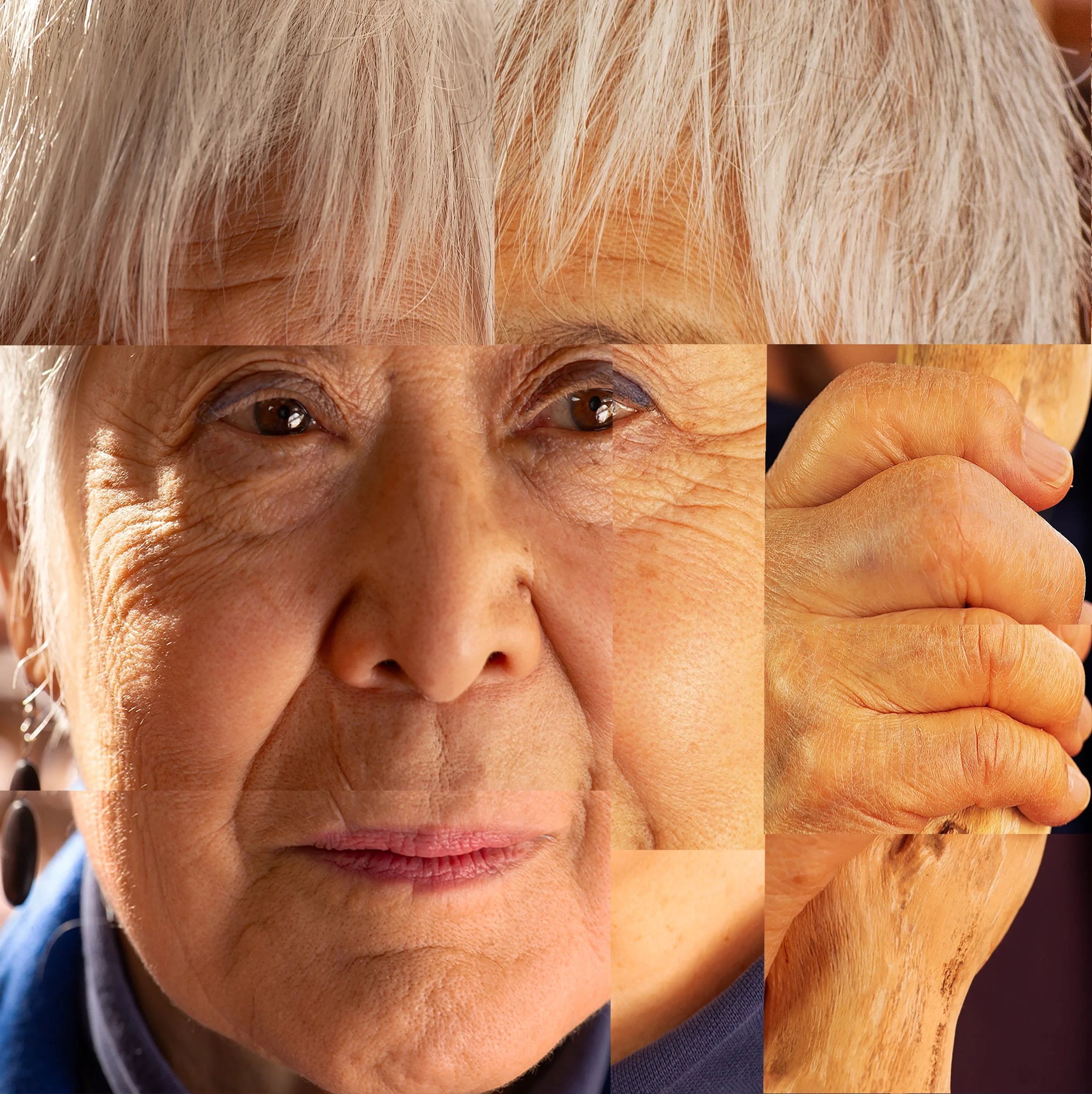
© Bruce Katsiff, Mira Nakashima, 2023, printed 2025, Archival pigment print
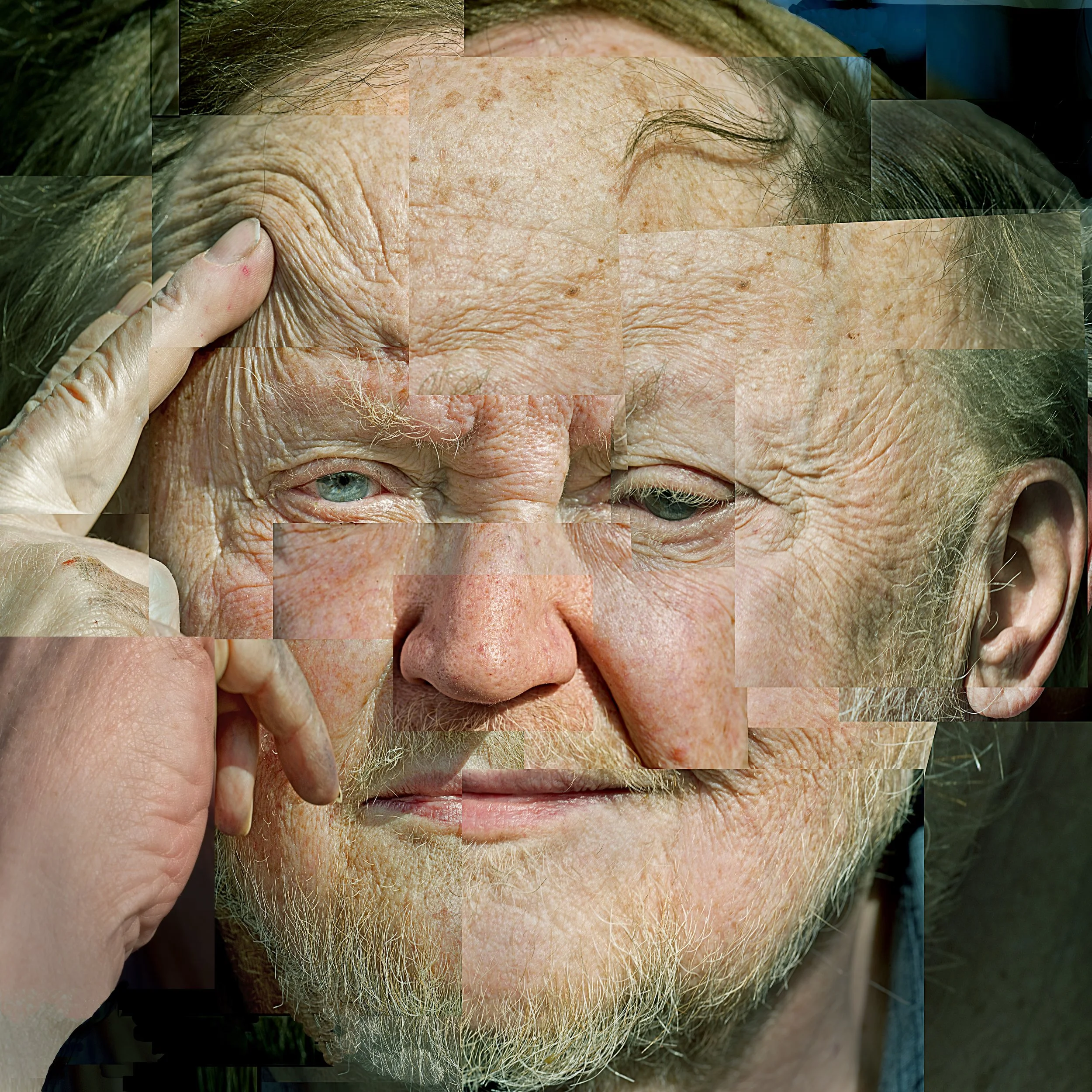
© Bruce Katsiff, Nelson Shanks, 2012, printed 2021, Archival pigment print
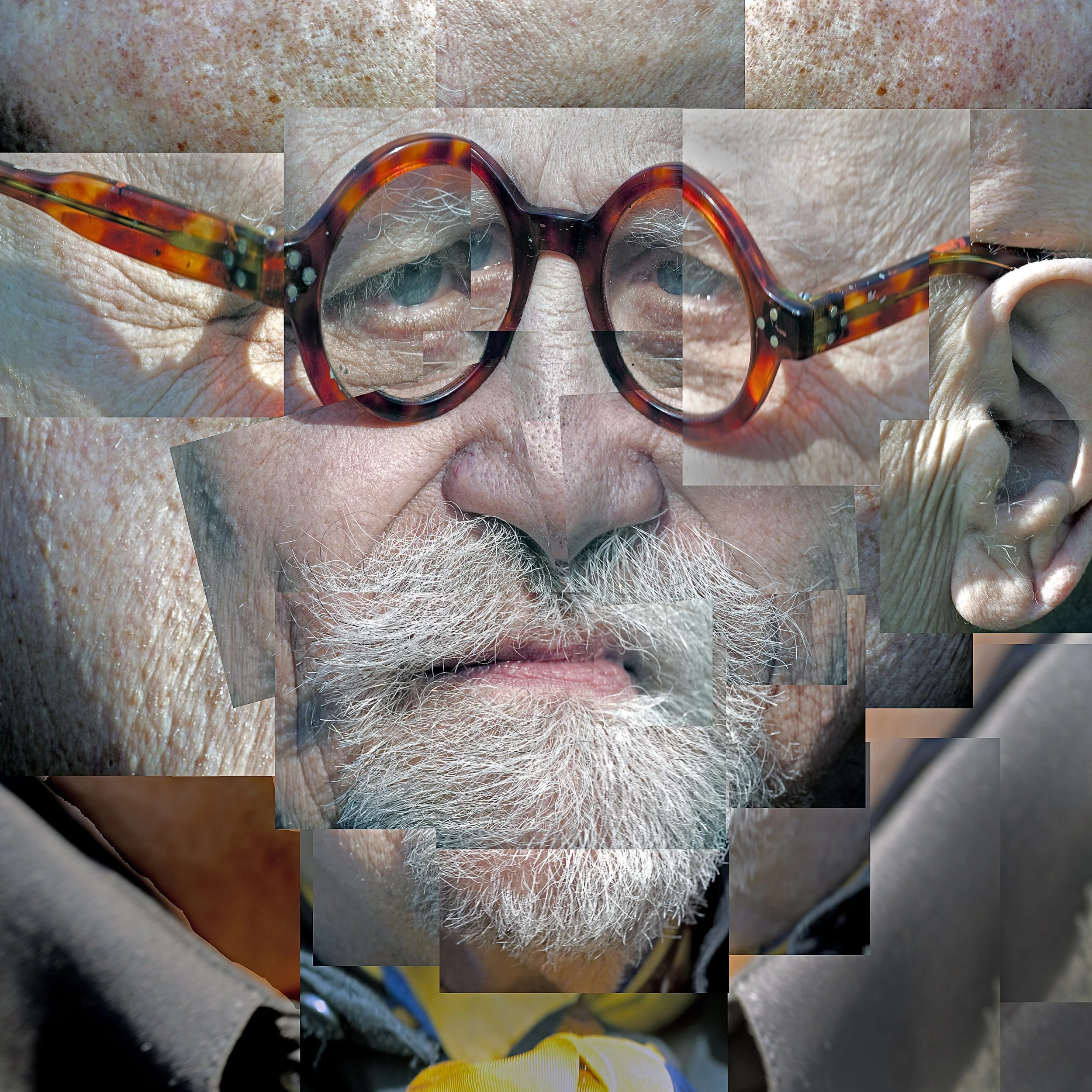
© Bruce Katsiff, Peter Paone, 2013, printed 2013, Archival pigment print
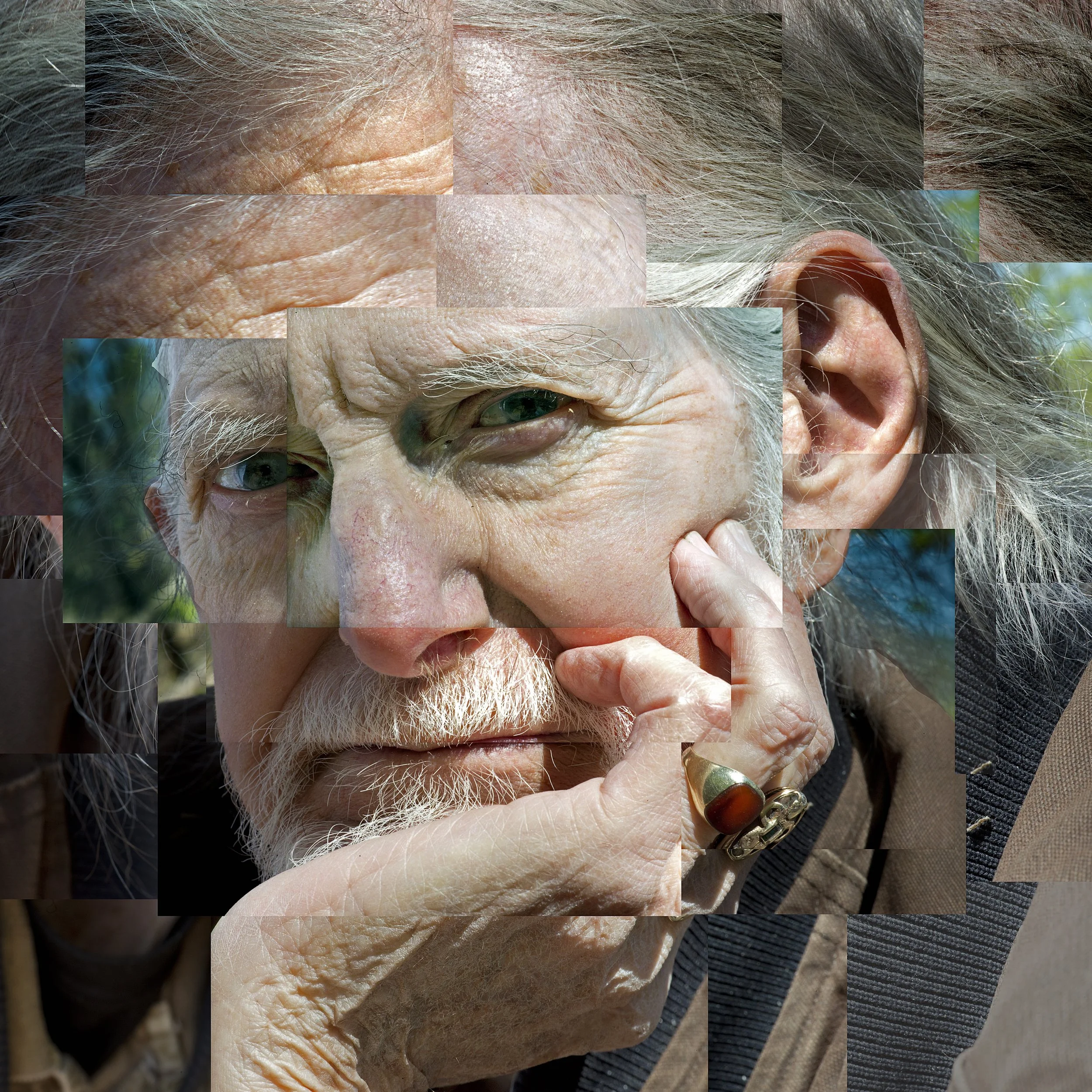
© Bruce Katsiff, Val Sigstedt, 2011, printed 2013, Archival pigment print
Collaborations
Platinum prints from Nature Morte formed the basis for a series of collaborative artworks that show Katsiff’s hallmark attention to historical context and activated his wide network of artist friends. For this project, Katsiff looked to Bucks County modernists Louis Stone (1902-1984), Charles Evans (1907-1992), and Charles Ramsey (1875-1951), who responded to the improvisational and collaborative nature of jazz music by co-creating artworks during visual “jam sessions.” Unlike the earlier artists who worked in tandem on a piece, Katsiff’s collaborators responded to finished photographs with interventions in other media. The resulting prints are both constructed and cultivated: Katsiff trusts his friends to build on what he has created.
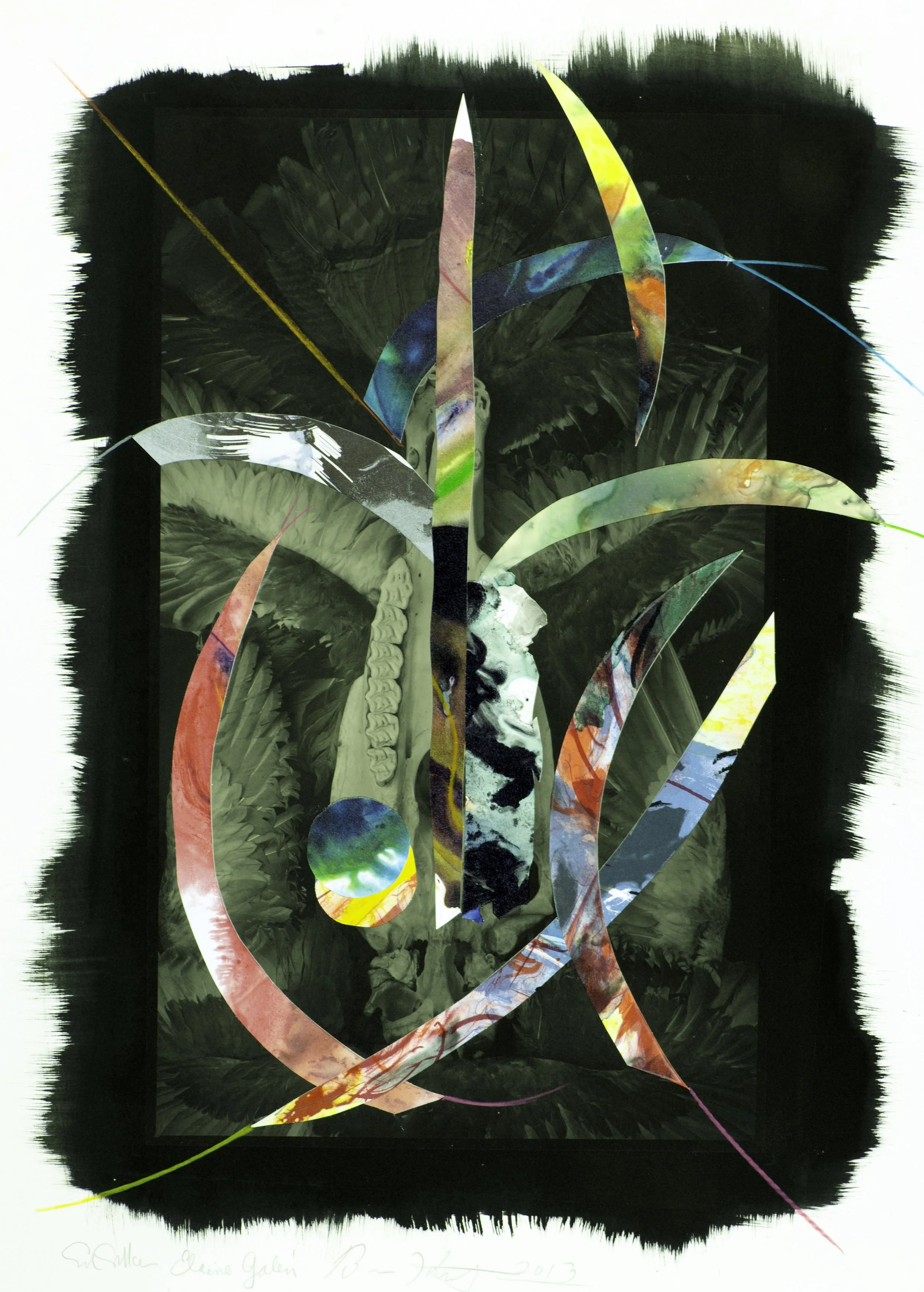
© Bruce Katsiff, Katsiff/Galen/Colker, Flying Totem, 2013, Bruce Katsiff (b. 1945), Elaine Galen (b. 1928), and Ed Colker (b. 1927), Mixed media
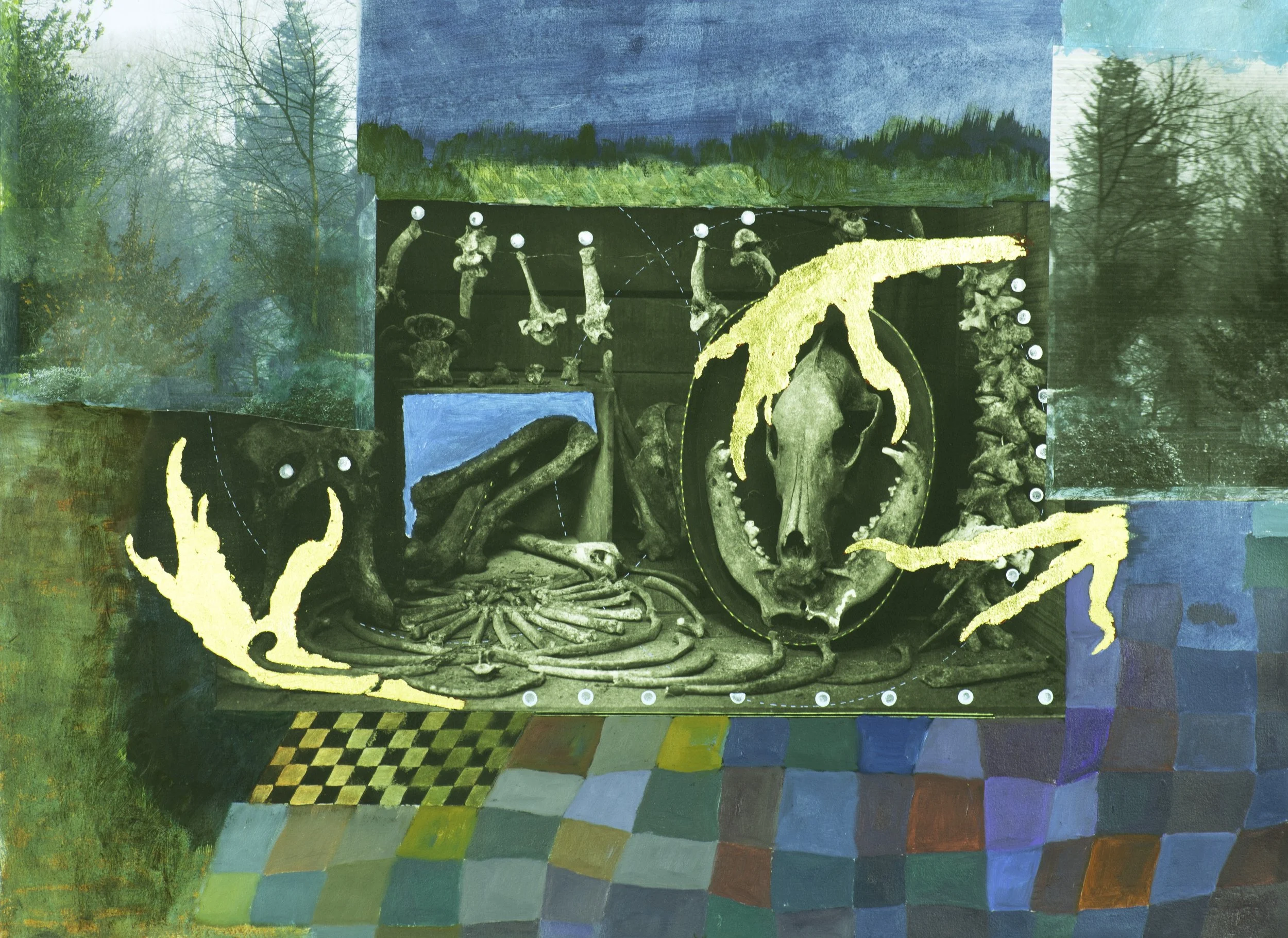
© Bruce Katsiff, Katsiff/Dodge/Kerber, Pieces of a Life, 2013, Bruce Katsiff (b. 1945), Robert Dodge (b. 1939), and Gwendolyn Kerber (b. 1953), Mixed media
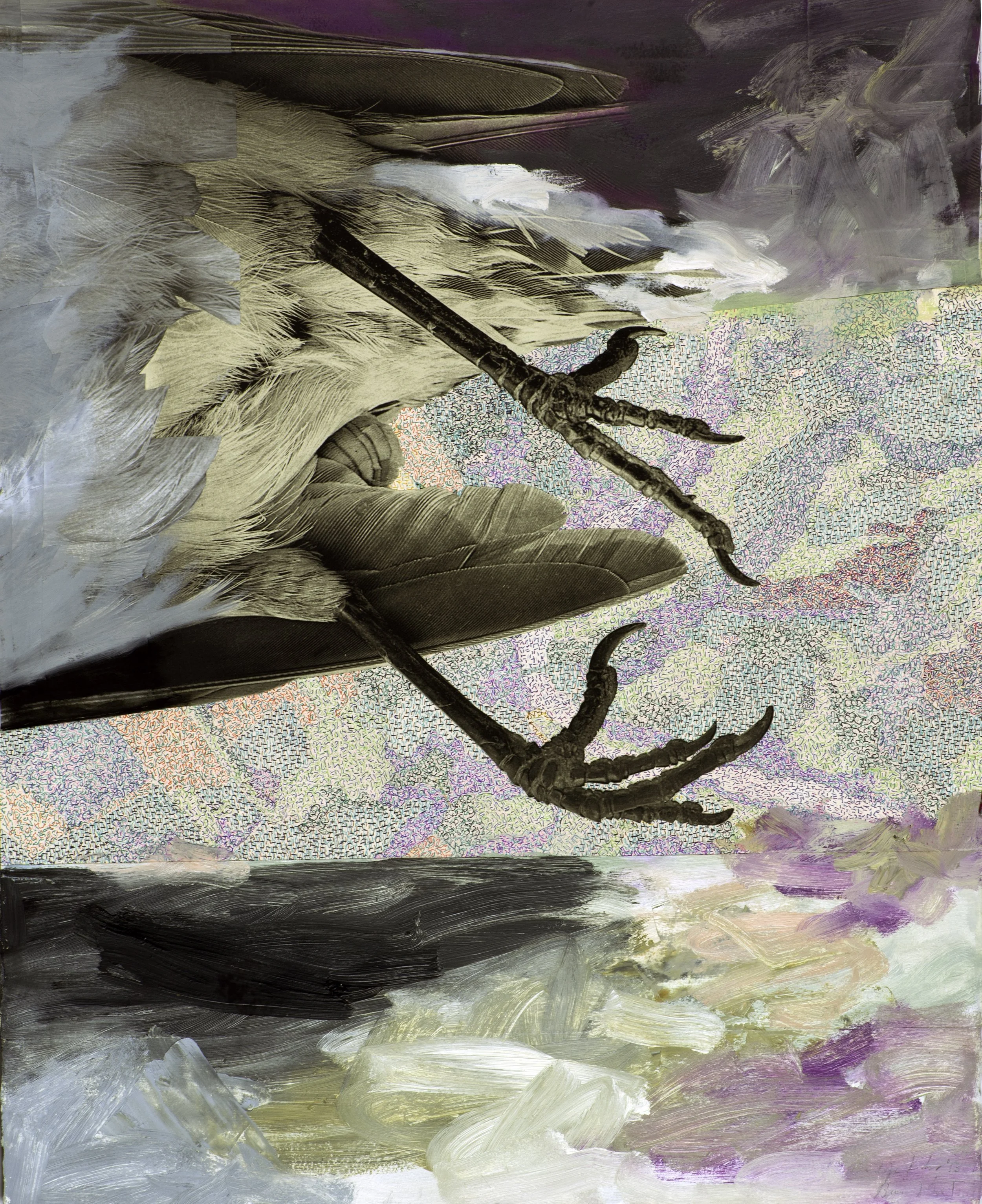
© Bruce Katsiff, Katsiff/Dodge/Kerber, Dancing Feet, 2013-2014, Bruce Katsiff (b. 1945), Robert Dodge (b. 1939), and Gwendolyn Kerber (b. 1953), Mixed media
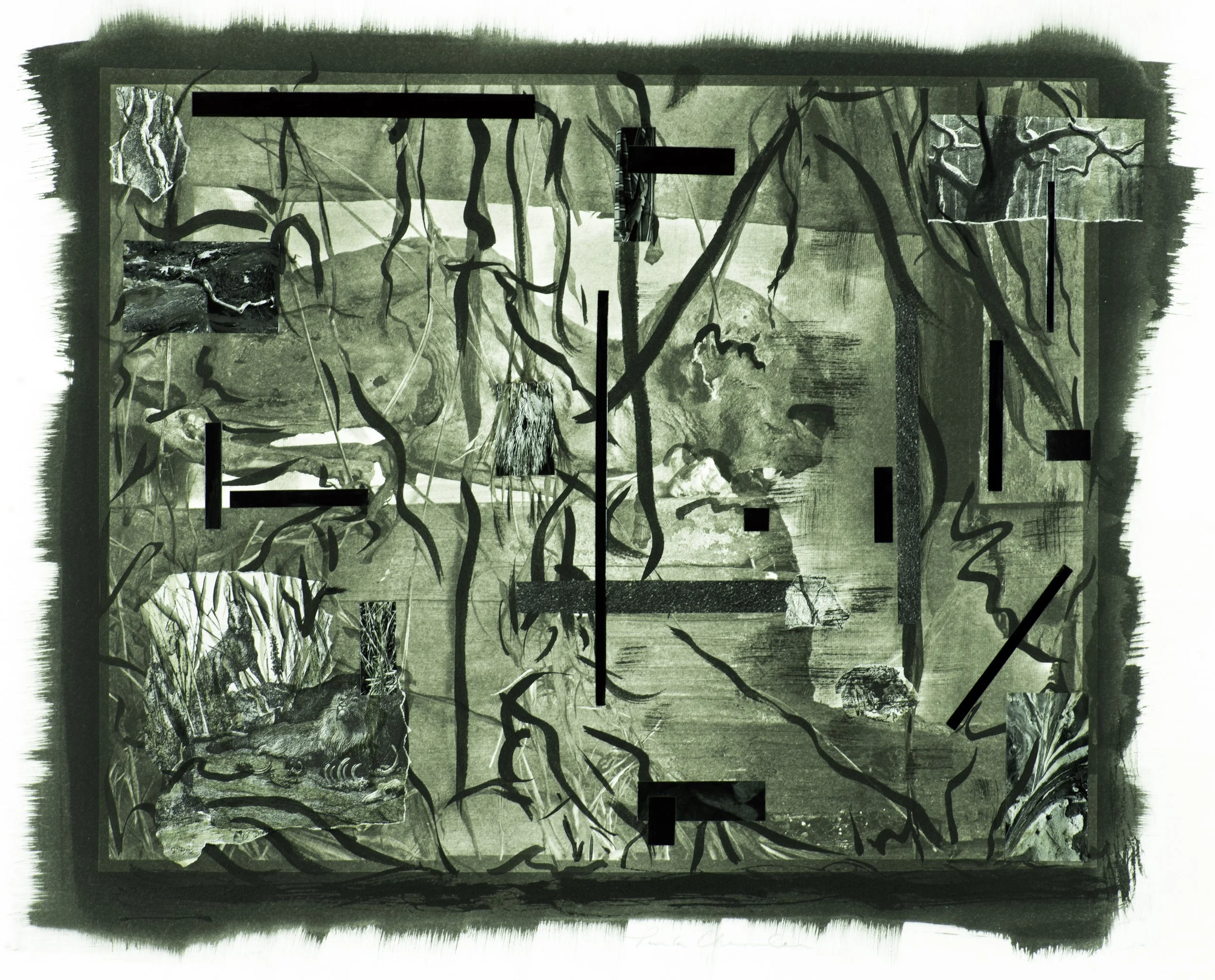
© Bruce Katsiff, Katsiff/Chamlee, Kitten's Leap, 2013, Bruce Katsiff (b. 1945) and Paula Chamlee (b. 1944), Mixed media
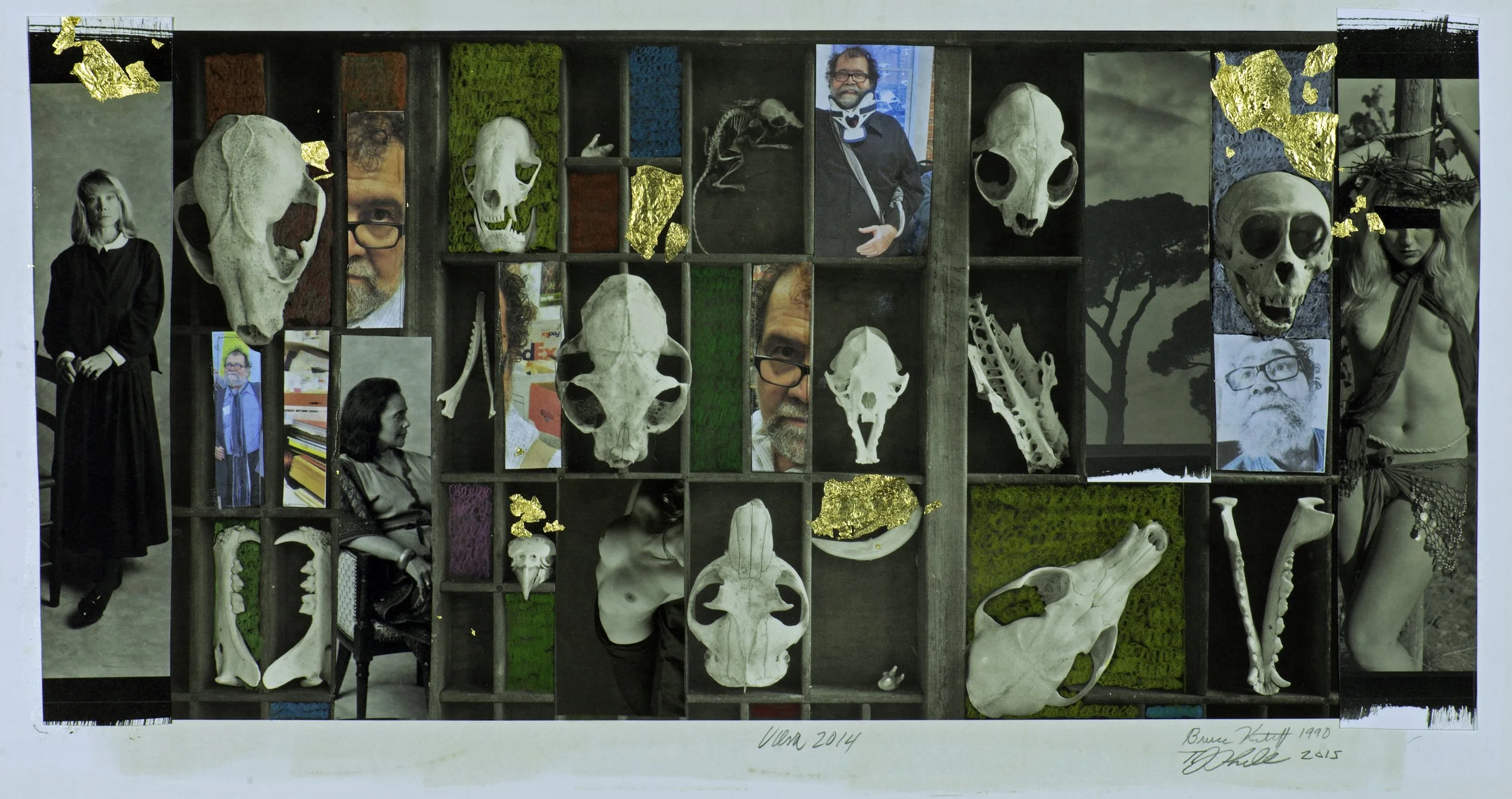
© Bruce Katsiff, Katsiff/Viera/Shillea, Dr. Foto Collection, 2014-2015, Bruce Katsiff (b. 1945), Ricardo Viera (1945-2020), and Thomas Shillea (b. 1947), Mixed media
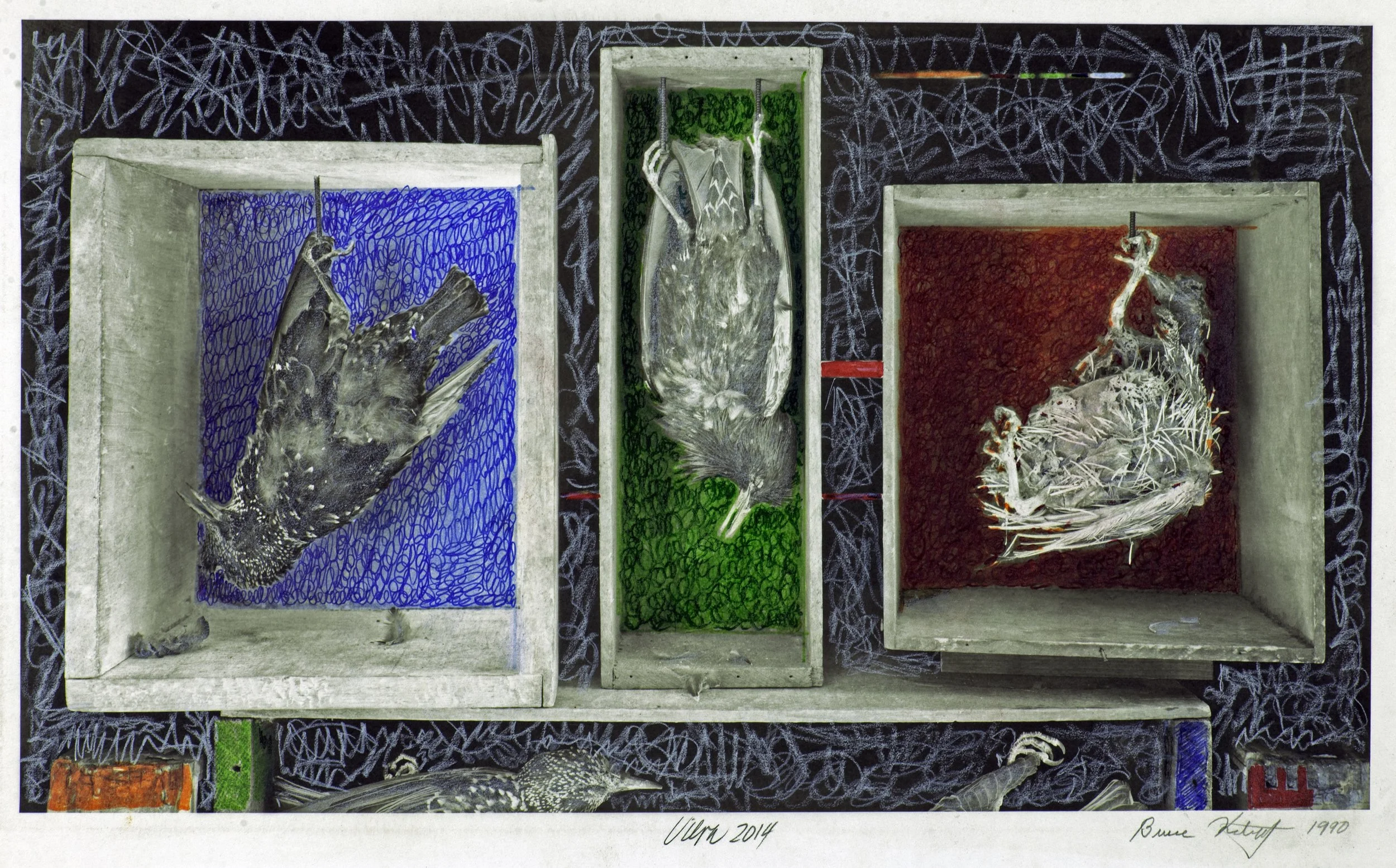
© Bruce Katsiff, Katsiff/Viera, The Trinity, 2014, Bruce Katsiff (b. 1945) and Ricardo Viera (1945-2020), Mixed media
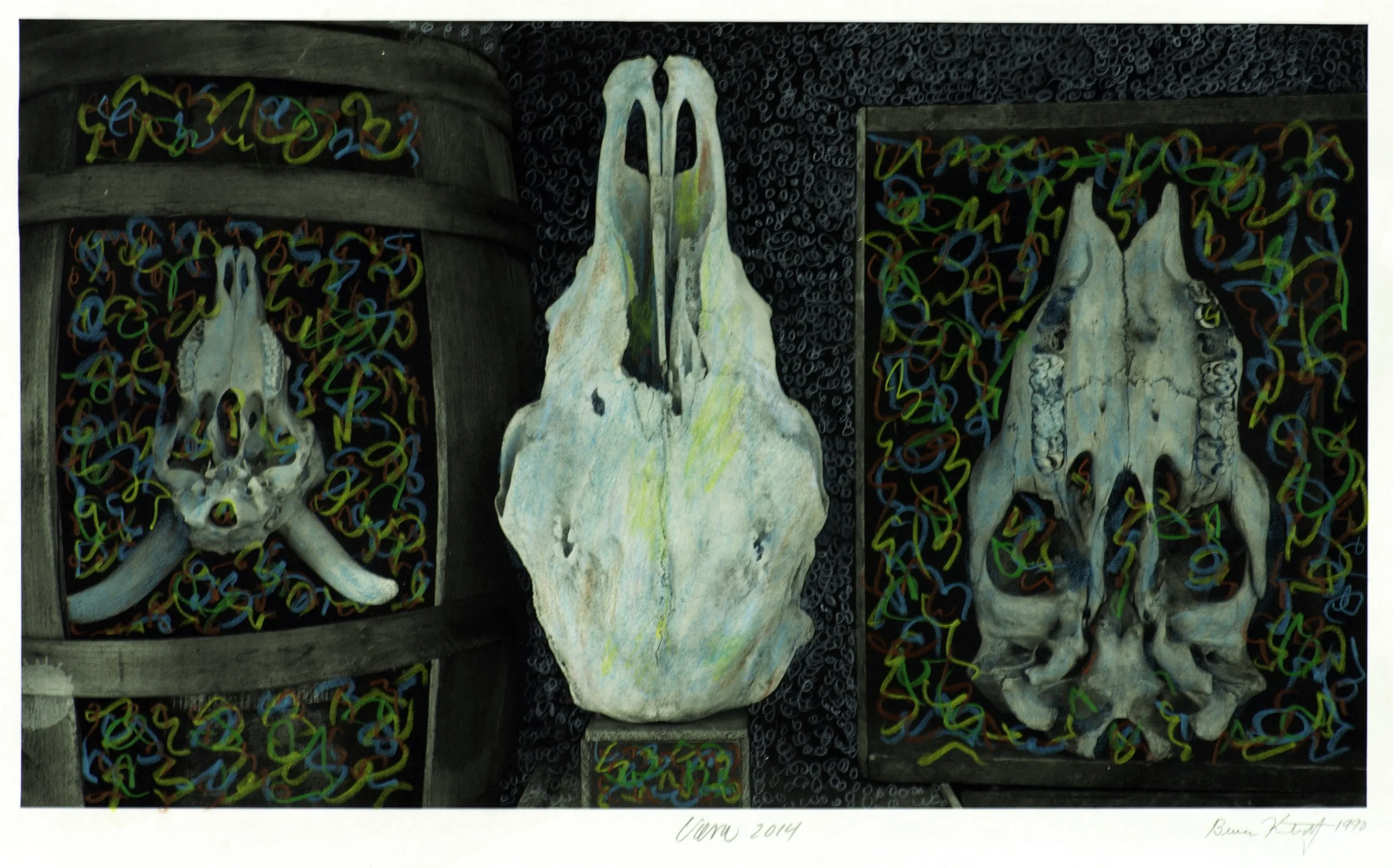
© Bruce Katsiff, Katsiff/Viera, Three Skulls, 2014, Bruce Katsiff (b. 1945) and Ricardo Viera (1945-2020), Mixed media
INSTALLATION IMAges
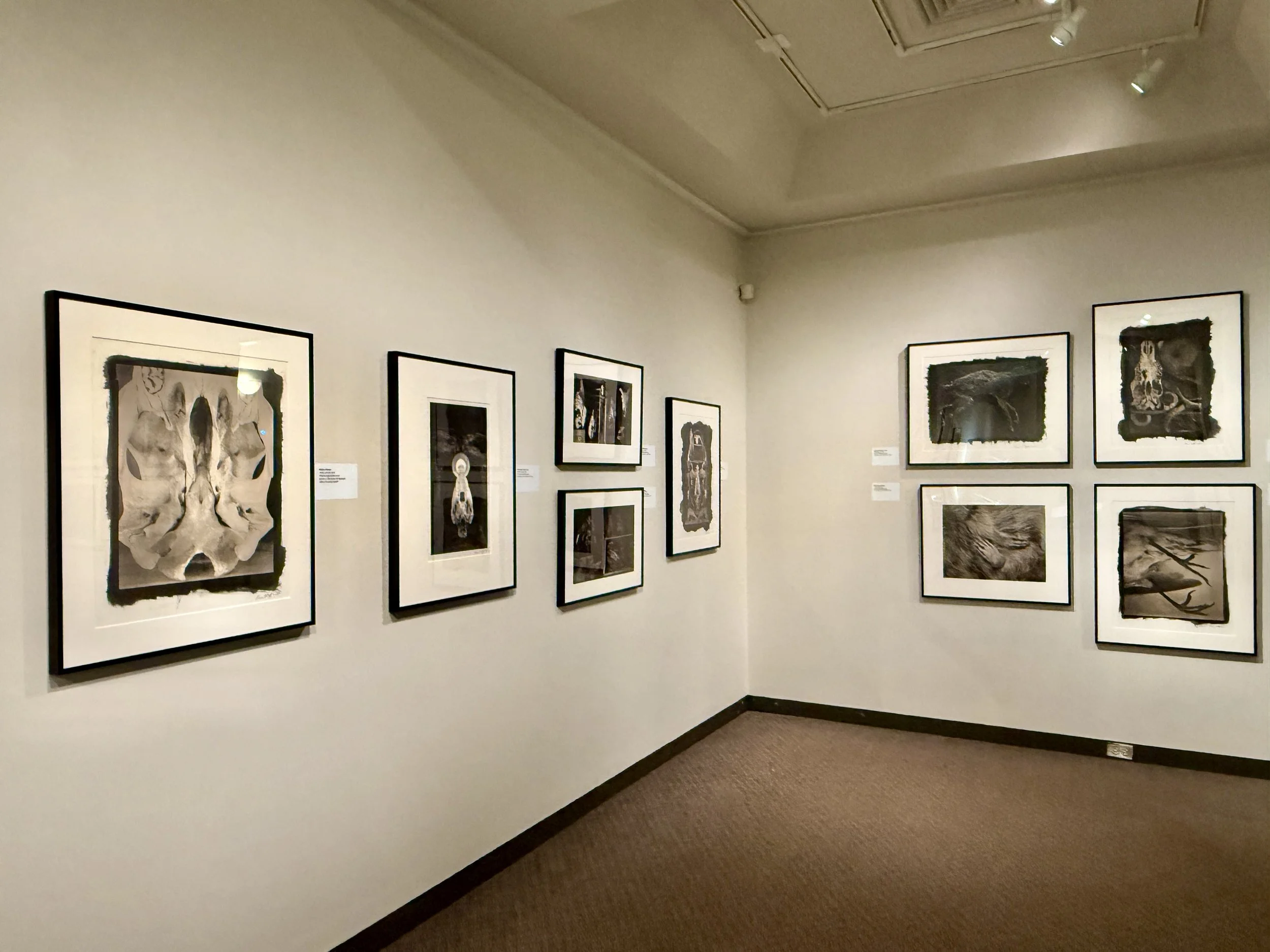
© Pieces of a Life, Installation Shots
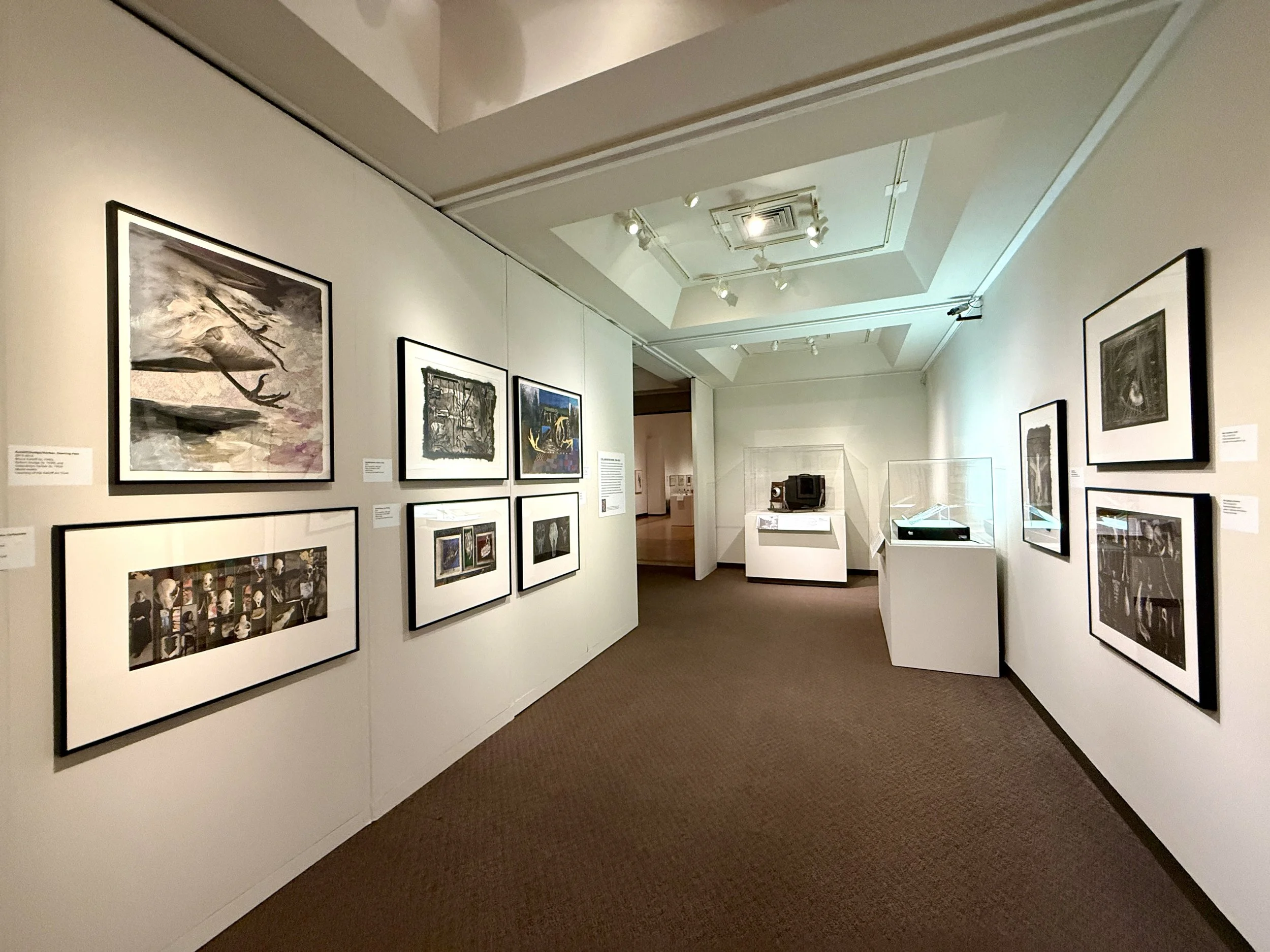
© Pieces of a Life, Installation Shots
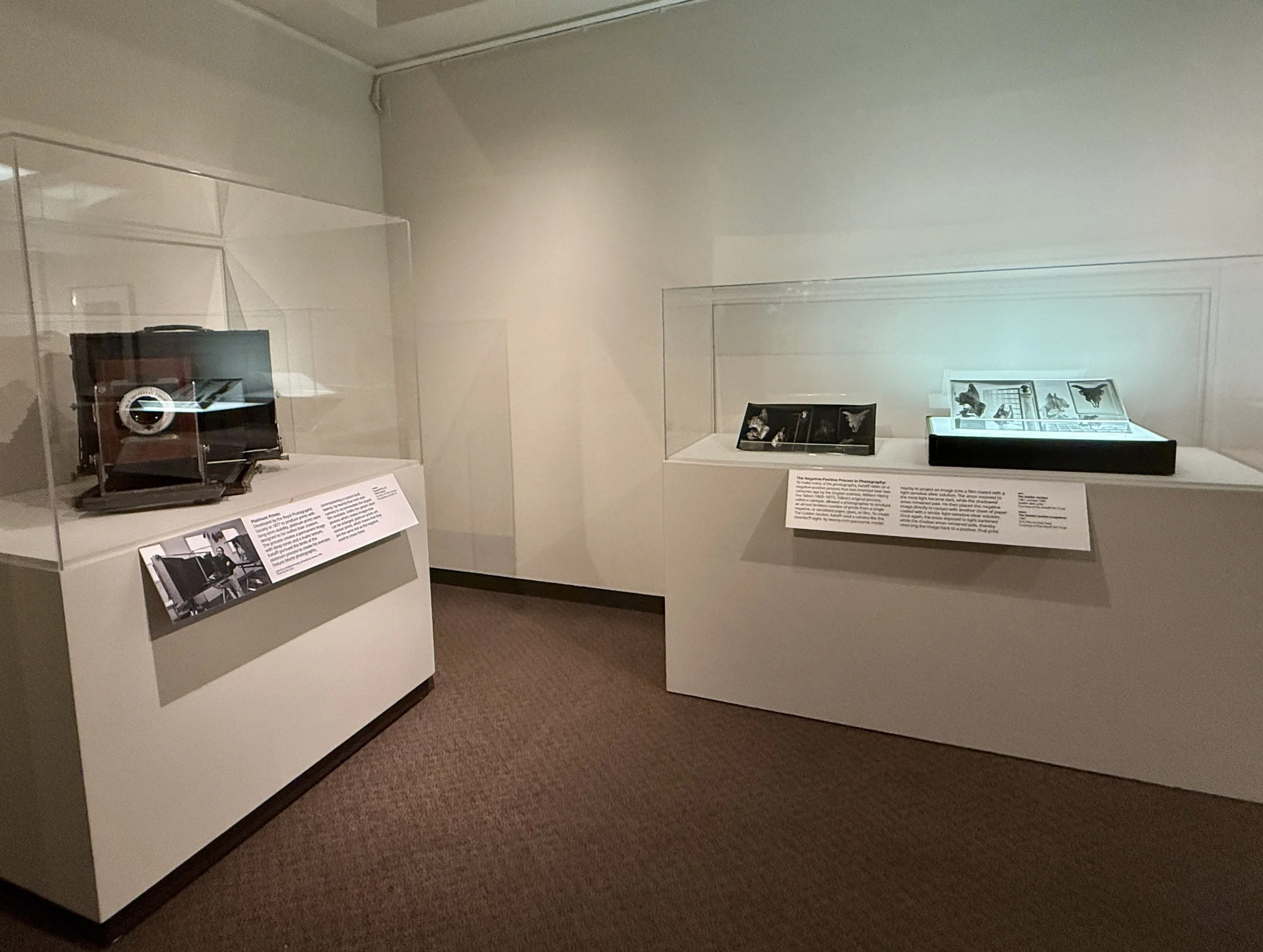
© Pieces of a Life, Installation Shots
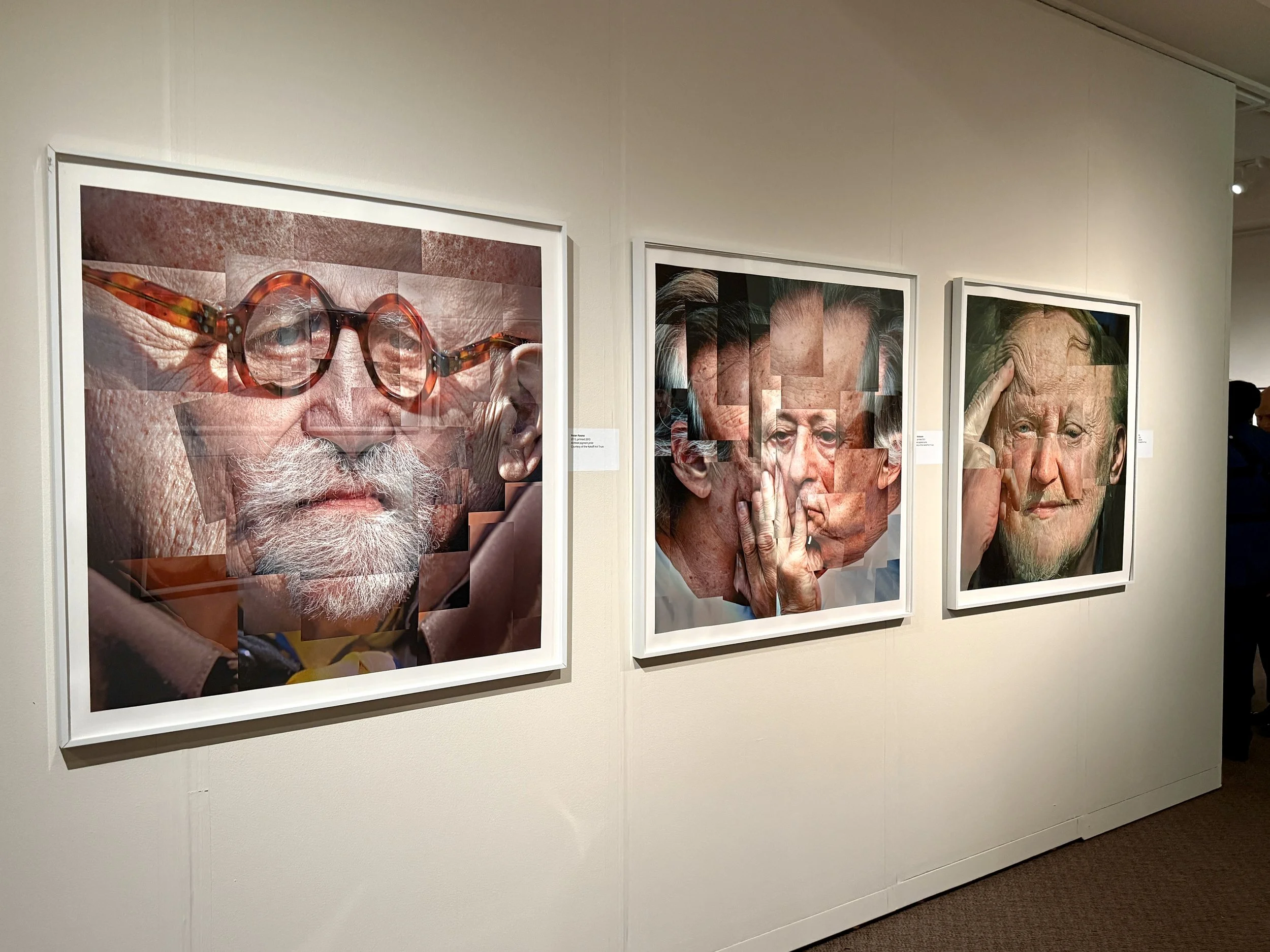
© Pieces of a Life, Installation Shots
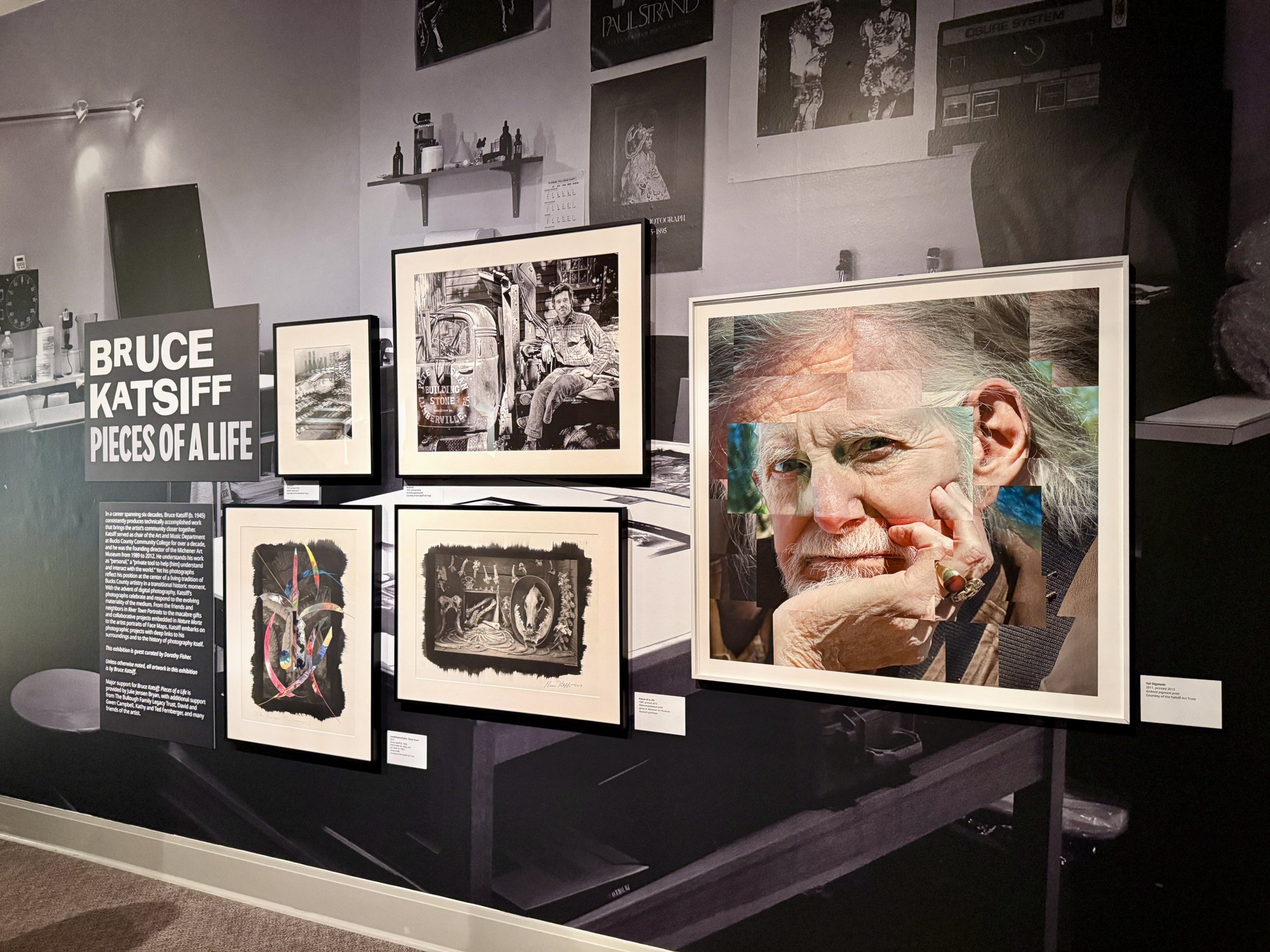
© Pieces of a Life, Installation Shots
PRess: Pieces of a life

Bruce Katsiff: Jewish Philly Photographer Looks Back on Lengthy Career
“The exhibition includes photographs from all of Katsiff’s collections over his six decades as an artist. Those include River Town Portraits, of the friends he made after he moved out of Philadelphia to Lumberville, on the Delaware River, in the 1970s, and Nature Morte, his collection of shots of posed animal remains.”
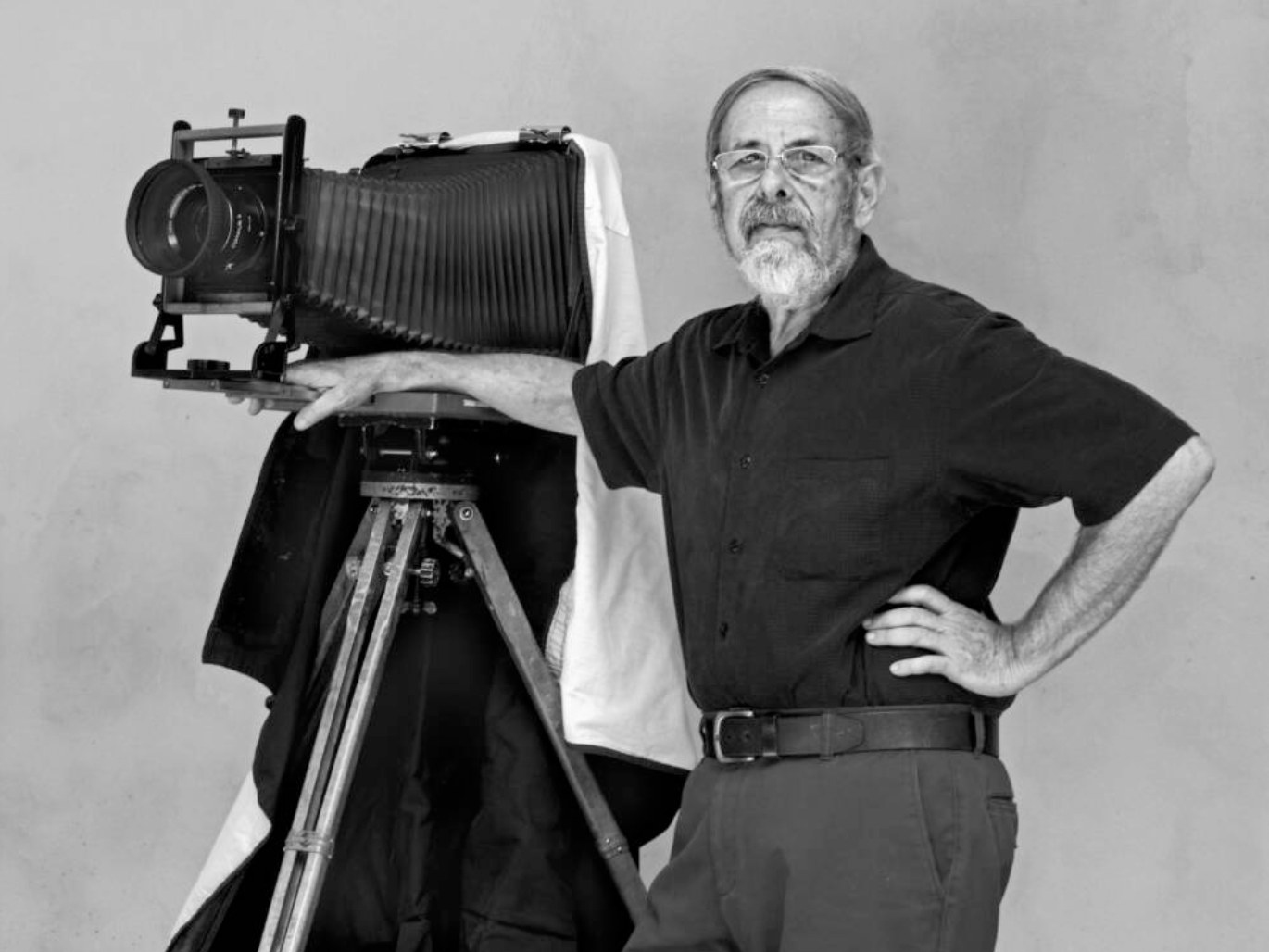
© Paula Chamlee, Bruce Katsiff

Michener Art Museum's retired founding director returns with new exhibition
CATALOG
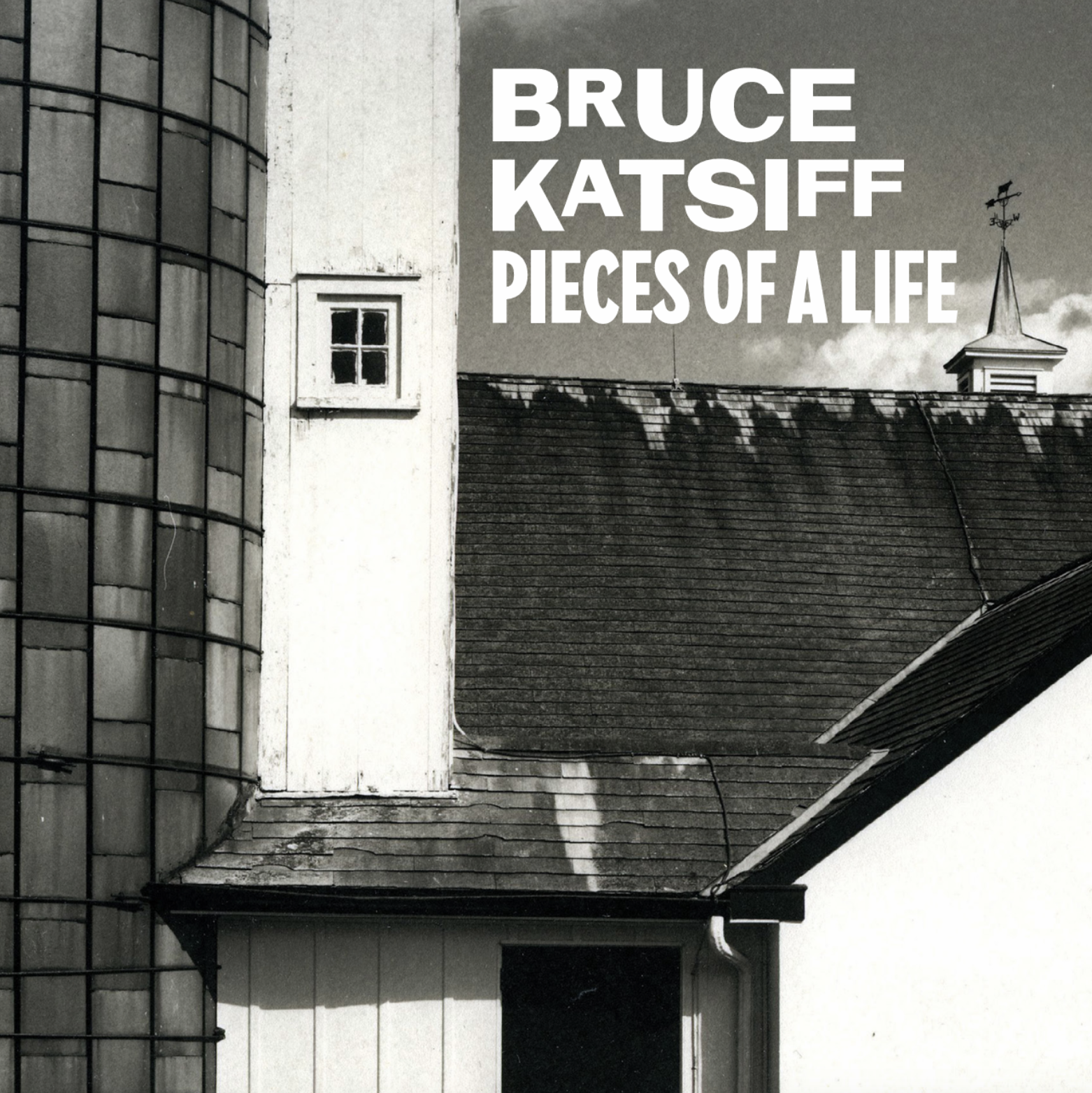
Pieces of a Life
Published by the James A. Michener Art Museum
Copyright 2026
Available for purchase at the museum.